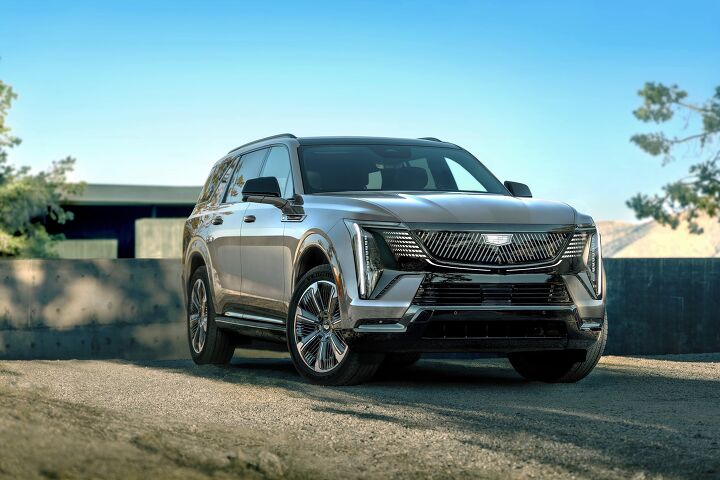
General Motors is ushering in a new era of electric vehicle charging for its entire 2027 model year lineup, transitioning all future EVs to the North American Charging Standard (NACS) port, a move pioneered by Tesla. Leading this charge is the flagship electric Cadillac Escalade IQ and its extended sibling, the IQL, which not only adopt the NACS standard but also receive a significant boost in standard onboard charging capability. This strategic shift signals a broader industry trend towards standardization and aims to simplify the charging experience for EV owners, while the enhanced onboard charger promises faster home charging for all Escalade IQ trims.
The Great Connector Shift: NACS Becomes the Standard
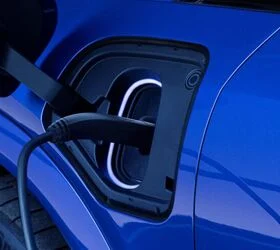
The most immediate and visible change for the 2027 Cadillac Escalade IQ and Escalade IQL is the abandonment of the Combined Charging System (CCS1) connector in favor of the native NACS port. This transition, which GM has committed to across its entire 2027 EV portfolio, means these luxury SUVs will be able to plug directly into Tesla’s ubiquitous Supercharger network and any other charging infrastructure that has adopted the NACS standard, without the need for cumbersome adapters.
This move is a significant development in the ongoing evolution of EV charging infrastructure. Historically, the automotive industry has been fragmented, with various charging standards vying for dominance. CCS1, a standard developed by a consortium of automakers including GM, Ford, BMW, and Volkswagen, was widely adopted in North America. However, Tesla’s Supercharger network, built on its proprietary NACS standard, has proven to be exceptionally reliable, widespread, and user-friendly, leading many automakers to reconsider their approach. The widespread adoption of NACS by major automotive players like GM, Ford, and Rivian is rapidly solidifying it as the de facto standard for electric vehicle charging in North America.
Simplifying the Charging Experience: No More Adapter Hassles
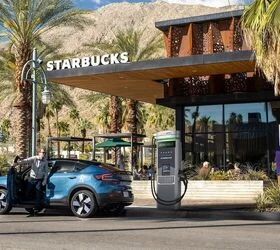
For owners of the 2027 Escalade IQ, the benefit at public charging stations is straightforward: plug and play at Tesla Superchargers and other NACS-equipped locations. This eliminates the need for an adapter when accessing the largest and often most reliable public charging network. This convenience is a crucial factor in alleviating range anxiety and making EV ownership more appealing to a broader audience.
However, the transition is not without its minor inconveniences. Owners who primarily rely on legacy CCS1 public charging stations will now require a NACS-to-CCS adapter to charge their vehicles. The article notes that most non-Tesla public charging networks are already equipped with both CCS and NACS connectors, or are in the process of upgrading, which should mitigate the challenge of finding compatible charging points. The expectation is that as NACS adoption grows, the prevalence of CCS-only stations will diminish.
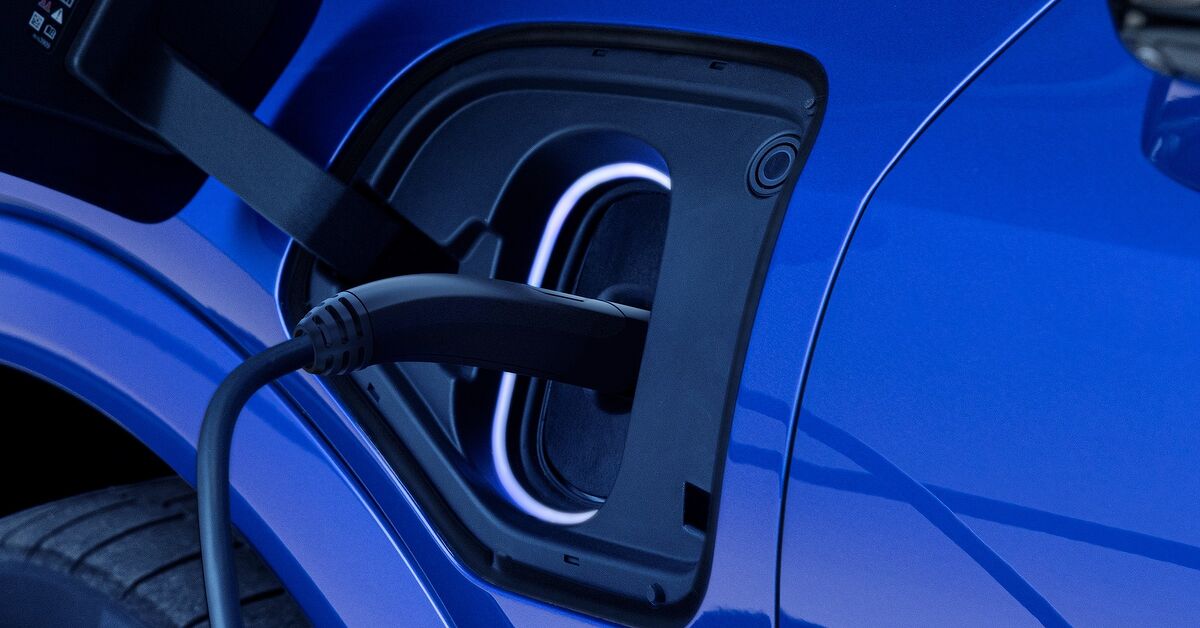
A More Powerful Home Charging Experience: 19.2 kW Standardized
Beyond the exterior charging port, the 2027 Escalade IQ receives a substantial upgrade in its onboard charging capability. All trim levels will now come standard with a 19.2-kW onboard charger. This represents a significant improvement for buyers of the lower-tier trims, who previously had to opt for higher trim levels to access this faster charging speed.
For the 2026 model year, the Luxury and Sport trims of the Escalade IQ were equipped with an 11.5-kW onboard charger, while the Premium Luxury and Premium Sport trims featured the more powerful 19.2-kW unit. The standardization of the 19.2-kW charger across all 2027 trims means that all Escalade IQ owners can now leverage the full potential of their home charging setup. This allows them to draw the maximum available power from a 240-volt, 80-amp connection, which is typically the highest amperage circuit available in residential electrical panels.
This enhanced onboard charger significantly reduces home charging times. For the Escalade IQ’s substantial 205-kWh battery pack, a 19.2-kW charger can replenish the battery much more rapidly than the previous 11.5-kW unit. While DC fast charging remains the method for rapid charging on the go, a robust home charging solution is critical for daily use and overnight replenishment. This upgrade ensures that owners can wake up to a fully charged vehicle with minimal downtime.
The Impact of Increased Onboard Charging Power
The implications of a standard 19.2-kW onboard charger are far-reaching for Escalade IQ owners. While the vehicle’s DC fast-charging capability remains unchanged, meaning the maximum speed at a public DC fast charger is dictated by the charger itself and the vehicle’s battery management system, the home charging experience is fundamentally improved.
For individuals who install Level 2 charging stations at their homes, the 19.2-kW charger allows them to maximize the benefit of a higher-amperage circuit. This means that a significant portion of daily driving needs can be met with just a few hours of charging overnight. This is particularly important for owners of large, battery-intensive vehicles like the Escalade IQ, where a smaller onboard charger could lead to excessively long charging times if the battery is depleted.
The decision to make the 19.2-kW charger standard across all trims also democratizes access to faster home charging. Previously, a buyer opting for a more affordable trim might have been implicitly sacrificing charging speed at home. Now, all Escalade IQ buyers receive the same high-performance charging hardware as standard. This move aligns with GM’s broader strategy to make EV ownership more convenient and appealing.
The Dual-Level Charge Cord: A Familiar Companion
The 2027 Cadillac Escalade IQ will continue to be supplied with a Dual Level Charge Cord. This versatile cord allows owners to connect to either a standard 120-volt household outlet (Level 1) or a 240-volt outlet (Level 2).
It is important to note the disparity in charging speeds between these two levels. A 120-volt connection, while universally accessible, delivers a mere 1.4 kW of power. At this rate, replenishing the Escalade IQ’s massive 205-kWh battery pack from empty would take an exceptionally long time – potentially close to a full week. This highlights the necessity of a Level 2 charging solution for practical daily use of such a large EV. The 240-volt connection, especially when paired with the vehicle’s 19.2-kW onboard charger, offers a dramatically faster charging experience, measured in hours rather than days.
A Broader Industry Trend: Standardization and Evolution
The adoption of NACS by General Motors is part of a larger trend sweeping across the automotive industry. Ford was one of the first major automakers to announce its embrace of the NACS standard, followed by a wave of other manufacturers, including Rivian, Volvo, Polestar, and now GM. This widespread industry consensus is rapidly transforming the EV charging landscape.
The timeline for this transition is accelerating. While many automakers have announced plans to adopt NACS for their vehicles starting in 2025 or 2026, GM’s commitment to a full lineup transition for the 2027 model year underscores the urgency and importance of this standardization. This unified approach is expected to drive further investment in NACS-compatible charging infrastructure, making it even more accessible and reliable for all EV drivers.
What This Means for Mercedes-Benz and Other NACS Adopters
The article also draws a parallel to Mercedes-Benz’s recent EV offerings, noting that while these vehicles adopt the NACS port, owners with existing J1772 chargers (the standard connector for Level 2 charging in North America before NACS gained traction) will still require an adapter. Cadillac’s approach, with its native NACS port, simplifies this further by allowing a direct connection to NACS home chargers, assuming the owner opts for one.
This difference highlights the nuances of the transition. While the NACS port is the key, the seamless integration with existing home charging equipment is also a consideration. For Cadillac, the native NACS port offers a more direct path to utilizing NACS-based home charging solutions.
The Future of Cadillac EVs
The changes implemented for the 2027 Cadillac Escalade IQ and IQL are not isolated events but rather indicators of GM’s strategic direction for its electric vehicle future. The commitment to NACS across the entire 2027 EV lineup, coupled with enhancements in onboard charging capabilities, signals a clear intent to provide a more integrated, convenient, and user-friendly EV ownership experience.
As the automotive industry continues its rapid electrification, standardization in charging technology is paramount. The widespread adoption of NACS is a significant step towards achieving this goal, promising a more unified and less confusing charging ecosystem for consumers. The enhanced onboard charging on the Escalade IQ further solidifies its position as a luxury EV that prioritizes both performance and practicality, ensuring that owners can power their journeys with greater ease and efficiency, whether at home or on the road.
The transition to NACS and the standardization of higher-wattage onboard chargers represent more than just technical updates; they are crucial elements in building consumer confidence and accelerating the adoption of electric vehicles. By addressing key pain points like charging compatibility and home charging speed, Cadillac and General Motors are positioning themselves to capitalize on the growing EV market and deliver a compelling proposition to luxury SUV buyers.