The 2026 iteration of Maker Faire Bay Area commenced this past Friday, marking a significant milestone in the history of the global "maker movement." As the event celebrates its 20th anniversary, the atmosphere at the venue was characterized by a blend of nostalgia and cutting-edge technological experimentation. Organizers compared the logistical complexity of the three-day festival to hosting a wedding for more than 20,000 guests, yet the scale of the opening day turnout suggested that public appetite for DIY engineering, grassroots art, and interactive technology remains at an all-time high. With over 300 exhibits showcased on Friday alone, the event continues to serve as a primary catalyst for the "STEAM" (Science, Technology, Engineering, Art, and Mathematics) education sector.
The Friday opening, historically known for its strong emphasis on school groups and early-access enthusiasts, saw a diverse demographic ranging from veteran engineers who attended the inaugural 2006 event to a new generation of elementary-aged "makers." The 2026 event highlights a shift in the maker movement from simple hobbyist electronics toward more sophisticated integrations of artificial intelligence, advanced robotics, and large-scale kinetic sculpture.
The Evolution of the Maker Movement: 2006–2026
When the first Maker Faire was held in San Mateo in 2006, it was a relatively niche gathering of hardware hackers and craft enthusiasts. Two decades later, the event has transformed into a global phenomenon, spawning hundreds of "Mini Maker Faires" across the world. The Bay Area event remains the flagship, serving as a bellwether for the industry.
The 2026 opening day demonstrated how the democratization of tools—such as high-speed 3D printers, accessible microcontrollers like the Teensy 4.1, and powerful game engines like Unity—has lowered the barrier to entry for complex projects. Analysts observing the event noted that the "maker" identity has expanded to include professional-grade product prototyping and sophisticated environmental advocacy through maritime preservation and recycled art.
Interactive Gaming and Alternative Controllers: Udder Mayhem
One of the standout exhibits on Friday was "Udder Mayhem," a project that exemplifies the "Alt-Ctrl" (Alternative Controller) movement in game design. Eschewing traditional joysticks or keyboards, Udder Mayhem is a rhythm-based game where players take on the role of a barista. The interface consists of four silicone udder teats which players must squeeze in time with a musical beat to "prepare" café lattes.

The technical architecture of the project is a testament to the modern maker’s toolkit. The game logic was developed using the Unity engine, while the physical hardware interface was powered by a Teensy 4.1 microcontroller. The Teensy 4.1 is favored in the maker community for its high processing speed and extensive I/O capabilities, making it ideal for low-latency musical applications. According to the exhibit’s creators, the project saw high engagement from repeat visitors throughout Friday, with many participants attempting to top the leaderboard in what has been described as a "whimsical yet mechanically challenging" experience.
Robotics and Micro-Competition: Tiny Robot Soccer
The robotics sector was heavily represented by "Tiny Robot Soccer," an exhibit featuring "Sesame" robots. These palm-sized quadrupedal robots were designed from the ground up by Dorian Todd, a prominent figure in the hobbyist robotics community whose work has garnered over 1.1 million views on YouTube.
The exhibit allowed attendees to compete in two-on-two matches using retro-style game controllers. The Sesame robots utilize dynamic gait algorithms to navigate the miniature soccer field, and the matches were broadcast on a large screen with real-time score tracking and digital effects. This integration of physical robotics with digital broadcasting mimics the professional "e-sports" environment but on a grassroots level.

Beyond the formal competition, the booth featured a "testing zone" where visitors could interact with the robots or bring their own non-combat machines weighing under two pounds. This "drop-in" culture is a hallmark of Maker Faire, encouraging cross-pollination between different designers. While no formal tournament bracket was established for the opening day, the high level of participation suggests a growing interest in standardized micro-robotics leagues.
The Intersection of Fandom and Engineering: Bay Area Droid Builders
The Bay Area Droid Builders returned to the faire this year with an array of movie-accurate replicas from the Star Wars universe, including R2-D2 and BB-8 units. This group represents the more traditional "maker" ethos: a community of enthusiasts who share open-source CAD files, machining techniques, and signal-processing tips to create highly complex autonomous machines.
The droids showcased on Friday featured several upgrades compared to previous years, including enhanced voice-recognition modules and more fluid locomotion systems. The Droid Builders serve a dual purpose; while they provide entertainment for the crowds, they are also a philanthropic organization, frequently appearing at charity events and educational workshops. Their presence at Maker Faire highlights the role of "fan-engineering" in pushing the boundaries of what hobbyists can achieve with home-based CNC and 3D-printing setups.

Large-Scale Kinetic Art: Nebula Rider
In the outdoor exhibition space, the "Nebula Rider" sculpture provided a stark contrast to the micro-robotics found indoors. Created by sculptor Adrian Landon, Nebula Rider is a larger-than-life, non-mechanical pegasus crafted from stainless steel. Landon, known for his work with metal as a medium of "infinite possibility," designed the sculpture to evoke a sense of fluid motion despite its rigid material.
The sculpture serves as a focal point for the artistic side of the faire. In a journalistic context, Landon’s work represents the "Art" in STEAM. The precision required to weld and balance several tons of stainless steel into a form that appears weightless is a feat of structural engineering as much as it is a creative endeavor. The presence of such large-scale installations is a nod to the event’s historical ties with the Burning Man community, where many Bay Area makers first began experimenting with "art cars" and massive steel structures.
Maritime Preservation and Living History: The C.A. Thayer
Adding a historical dimension to the 2026 event, educators from the San Francisco National Maritime Park Association presented an exhibit centered on the C.A. Thayer. The C.A. Thayer is a schooner that once served the lumber trade and represents the "Age of Sail."

The inclusion of maritime history at a technology festival may seem incongruous to some, but organizers pointed out that the "makers" of the 19th century—shipwrights, sailmakers, and navigators—laid the foundation for modern engineering. The exhibit offered a look into life on the Barbary Coast and the technological challenges of the California Gold Rush. This historical context provides a "line of sight" from the manual crafts of the past to the digital crafts of the present.
Animatronics and Light: The Cuttlefish and Flash the Tortoise
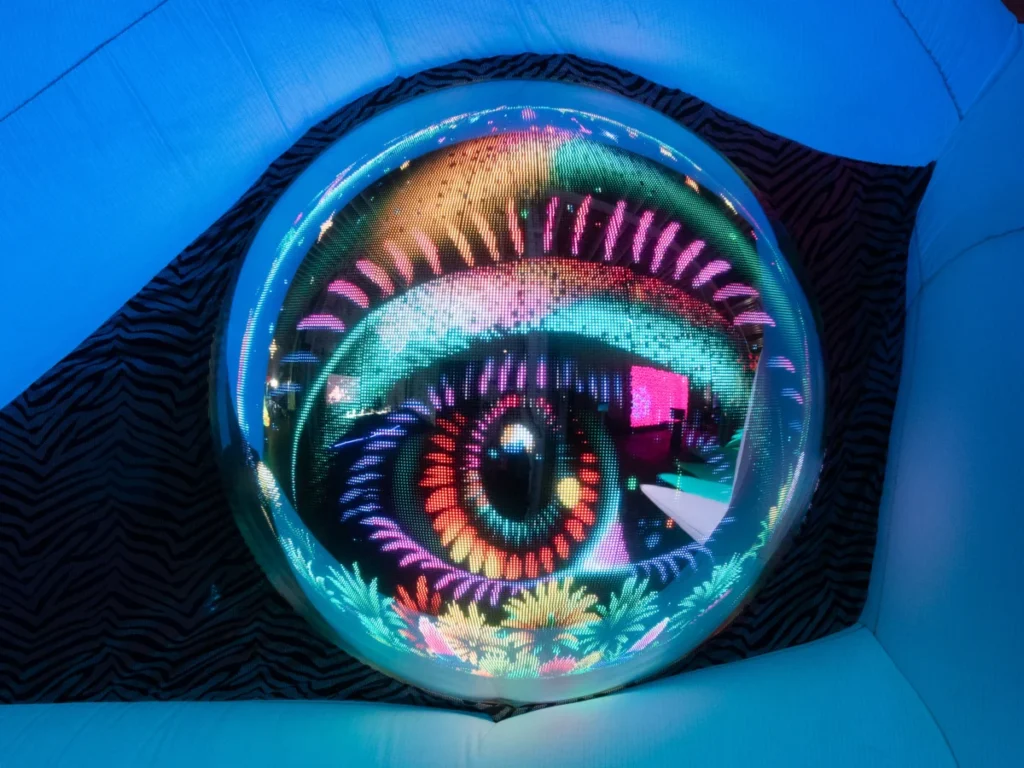
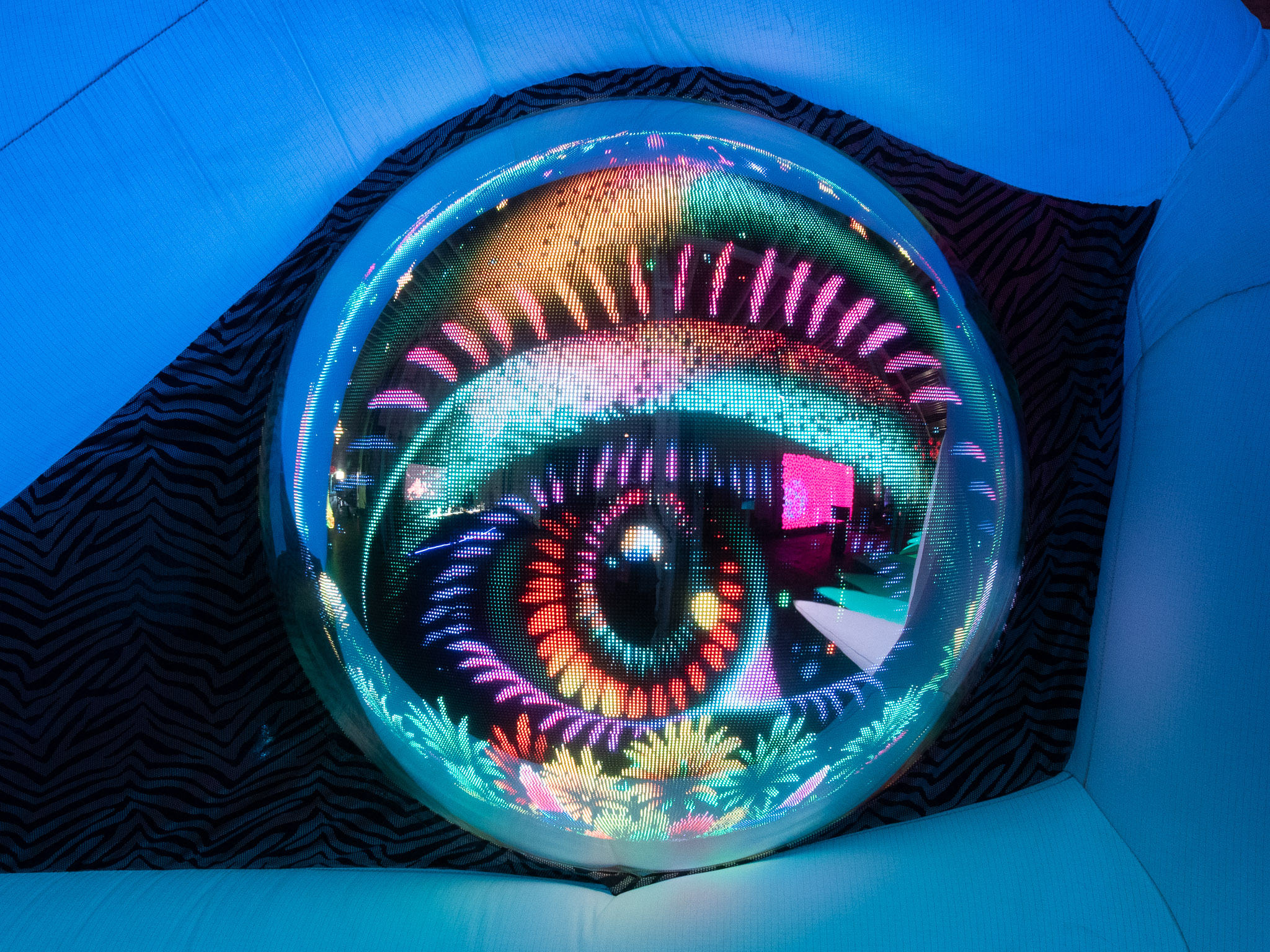
As the sun set on Friday, the focus shifted to illuminated and animatronic art. The "Cuttlefish," a 35-foot-long inflatable and animatronic creature, dominated the evening display. The installation features an intricate lighting system that can be manipulated by participants using a drum set or piano in a nearby "dark room," effectively turning the giant cephalopod into a massive visual synthesizer.
Accompanying the Cuttlefish was "Flash the Tortoise," a mobile unit constructed from custom-formed high-density polyethylene (HDPE) panels. Flash also features interactive lighting, emphasizing the trend toward "playable" art. These projects require a multidisciplinary approach, combining textile engineering (for the inflatables), chemical engineering (for the HDPE panels), and software engineering (for the MIDI-to-light interface).

Broader Impact and Implications
The opening day of Maker Faire Bay Area 2026 underscores the economic and social importance of the maker movement. In an era where "right to repair" legislation and domestic manufacturing are at the forefront of political discourse, the skills showcased at the faire—soldering, coding, welding, and CAD design—are increasingly viewed as essential vocational skills.
Furthermore, the event serves as an unofficial recruitment ground for Silicon Valley tech firms. Many of the exhibitors who began as hobbyists at Maker Faire a decade ago now lead engineering teams at major aerospace and robotics companies. The "joy and mayhem" of the event, while entertaining, masks a serious underlying contribution to the regional innovation economy.
As the faire continues through the weekend, attendance is expected to swell. Saturday and Sunday will feature more formal presentations, including "State of the Maker" addresses and deep-dive technical workshops. For now, the successful launch of the 20th-anniversary event confirms that the spirit of curiosity and the drive to "make" remains a fundamental pillar of Bay Area culture.