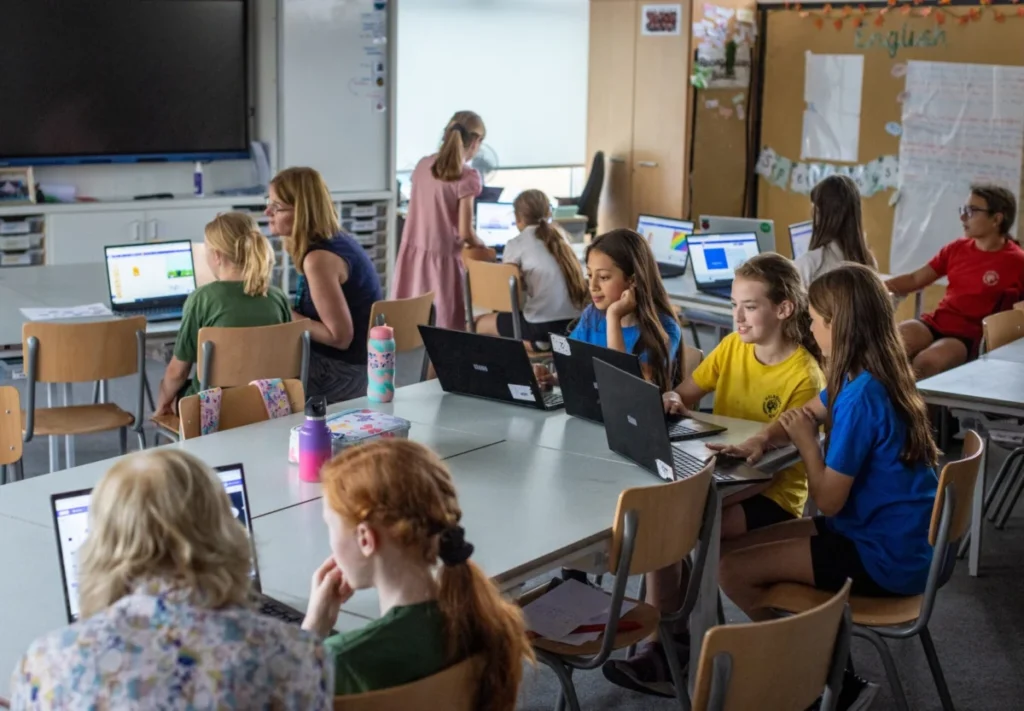
The UK Department for Education has officially recognized Code Club as a pivotal resource within its newly established enrichment framework for schools and colleges, signaling a significant shift in how extracurricular technology education is prioritized in the national curriculum. This endorsement comes at a time when the rapid integration of artificial intelligence into the global economy has prompted a reevaluation of the skills required for the next generation. By validating Code Club as a high-quality enrichment activity, the government acknowledges that the benefits of such programs extend far beyond the acquisition of syntax and logic, fostering essential life skills such as resilience, collaborative problem-solving, and creative confidence.
Code Club, an initiative led by the Raspberry Pi Foundation, operates a global network of free, volunteer-led after-school clubs. With thousands of locations spanning from the United Kingdom to Kenya and South Africa, the organization provides a standardized yet flexible curriculum that allows students aged 9 to 13 to explore computing on their own terms. The recent government recognition is expected to accelerate the Raspberry Pi Foundation’s ambitious goal of establishing a Code Club in every school and library across the United Kingdom, ensuring that digital literacy is not a privilege of the few but a fundamental right for all young learners.
The Evolution of Code Club and the Enrichment Framework
Founded in 2012, Code Club was born out of a necessity to bridge the gap between passive technology consumption and active digital creation. Over the past decade, it has evolved from a grassroots movement into a cornerstone of non-formal education. The UK government’s "Enrichment Framework for Schools and Colleges" identifies activities that provide students with a well-rounded education, emphasizing that academic success must be paired with personal development. Code Club’s inclusion in this framework is supported by a growing body of evidence, including the 2025 Code Club Annual Survey Report and independent pedagogical research, which demonstrates that participants show marked improvements in their ability to navigate complex challenges and work effectively in teams.
The framework’s endorsement is particularly timely as schools face increasing pressure to modernize their extracurricular offerings. Unlike traditional classroom environments, Code Clubs offer a "low-stakes, high-challenge" setting where failure is viewed as an iterative step in the learning process. This environment is crucial for developing "computational thinking"—a mental toolkit that allows individuals to break down large problems into manageable parts, a skill that remains highly transferable to fields outside of computer science, such as mathematics, linguistics, and the humanities.
Navigating the Artificial Intelligence Frontier
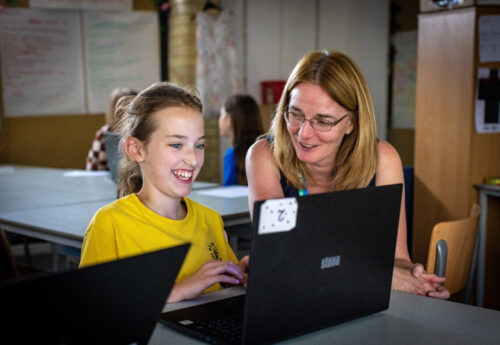
A central theme in the current educational discourse is the role of traditional coding in an era dominated by Generative AI and Large Language Models (LLMs). Some critics argue that the rise of AI tools capable of writing code might render manual programming skills obsolete. However, the Raspberry Pi Foundation maintains a contrasting perspective, asserting that the age of AI makes an understanding of code more critical than ever.
The foundation argues that without a foundational understanding of how software is constructed, young people will lack the agency to question, critique, and shape the AI systems that increasingly govern their lives. To address this, Code Club has launched a specialized suite of resources and projects focused on AI and data. these projects are designed to demystify the "black box" of machine learning, teaching students how data is used to train models and the ethical implications of algorithmic bias. By engaging with these tools in a hands-on environment, students transition from being mere consumers of AI to informed creators who understand the underlying mechanics of the technology.
Strategic Support for Local Authorities and Educational Trusts
To facilitate the nationwide expansion of these clubs, the Raspberry Pi Foundation has announced a comprehensive package of free support specifically tailored for UK multi-academy trusts (MATs) and local authorities. Recognizing that the primary barriers to entry are often administrative and logistical rather than financial, the foundation is seeking "growth partners" to streamline the implementation of clubs across entire networks of schools.
This support package includes a structured roadmap for scaling digital enrichment, providing local leaders with the tools necessary to monitor progress and impact. Growth partners will receive:
- Access to a dedicated portal for tracking club registration and participation metrics across their jurisdiction.
- Specialized training sessions for educators and volunteers to ensure the sustainable delivery of the curriculum.
- Bespoke marketing and communication toolkits to encourage student enrollment and community engagement.
- Direct consultation with Raspberry Pi Foundation experts to align Code Club activities with broader regional educational goals.
By targeting trusts and local authorities, the initiative aims to create a top-down support structure that empowers bottom-up execution in individual classrooms and libraries. This model ensures that even schools in under-resourced areas can provide high-quality tech education without incurring the costs associated with proprietary software or specialized hardware, as the curriculum is designed to run on existing school equipment.
Data-Driven Impact and Global Reach
The push for universal access to Code Clubs is backed by significant data regarding the digital skills gap. According to recent economic reports, the digital skills shortage costs the UK economy an estimated £63 billion a year in lost potential GDP. Furthermore, industries ranging from agriculture to healthcare are increasingly reliant on a workforce that can navigate digital ecosystems.
The 2025 Code Club Annual Survey highlighted that 85% of club leaders observed a noticeable increase in their students’ confidence when using technology. Additionally, 78% of participants reported that they felt more capable of solving difficult problems after attending sessions. These statistics are mirrored in the global context. In Kenya and South Africa, where Code Clubs have seen rapid adoption, the program has been credited with providing youth in emerging economies with the technical competencies required to compete in a globalized digital market.
The "Coolest Projects" online showcase, an annual event hosted by the foundation, further illustrates the creative potential of these students. In 2024, over 15,000 young creators from across the globe submitted projects ranging from environmental monitoring systems to social justice-themed games. This showcase serves as a testament to the fact that when provided with the right tools and a supportive environment, young people can develop sophisticated digital solutions to real-world challenges.
Chronology of Key Milestones in UK Computing Education
The journey toward the current state of UK tech enrichment has been marked by several key developments:
- 2012: Code Club is founded as a non-profit organization to teach children how to code.
- 2014: The UK becomes one of the first countries in the world to introduce a mandatory computing curriculum for all students aged 5 to 16.
- 2015: Code Club joins forces with the Raspberry Pi Foundation, expanding its reach and resources.
- 2020-2022: The pandemic highlights the "digital divide," prompting a renewed focus on accessible, home-based and community-based digital learning.
- 2023: The Raspberry Pi Foundation announces its ambition for a Code Club in every UK school and library.
- 2024: The UK government officially incorporates Code Club into the national enrichment framework.
- 2025: Launch of the Growth Partner program for local authorities and trusts.
Implications for the Educational Landscape
The formal recognition of Code Club by the government carries significant implications for the future of the UK educational landscape. Firstly, it elevates the status of "non-formal" learning, acknowledging that some of the most profound educational experiences happen outside the traditional 9-to-3 school day. Secondly, it provides a standardized benchmark for what constitutes "quality" in tech enrichment, helping school leaders navigate a market often saturated with expensive, unverified digital tools.
Furthermore, the emphasis on "free" access is a direct challenge to the commercialization of tech education. By providing high-quality resources at no cost, the Raspberry Pi Foundation and the UK government are making a strategic intervention to ensure that the "AI divide"—the gap between those who can use AI and those who can understand and create it—does not mirror the socio-economic inequalities of the past.
As the initiative moves forward, the focus will shift to the successful recruitment of local authorities and trusts. The success of the "every school and library" goal will depend on the ability of these organizations to mobilize volunteers and provide the necessary physical spaces for students to gather. With the government’s backing and a robust support system in place, the path is cleared for a new era of digital literacy that prepares the youth of today for the complexities of tomorrow’s technological world.
For schools and local authorities looking to enhance their enrichment offer, the message is clear: the infrastructure for world-class tech education is available, it is proven to be effective, and it is entirely free. The invitation to become a growth partner represents a unique opportunity to shape the digital future of the nation, one line of code at a time.