August 18th, 2026 – The automotive market is currently experiencing an unprecedented surge in prices, with both new and used vehicles reaching historic highs. This trend, characterized by what many perceive as accelerated automotive inflation, is not merely a continuation of past pricing patterns but a significant acceleration, outpacing previous eras of vehicle cost increases. Data indicates that used cars, in particular, are now appreciating at a rate that outstrips even that of brand-new models, presenting a complex and challenging landscape for consumers.
The Escalating Cost of New Vehicles
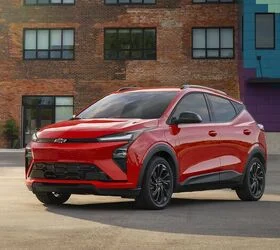
The dramatic rise in the price of new automobiles is readily apparent when comparing the Manufacturer’s Suggested Retail Price (MSRP) of models over the past several years. However, broader industry analysis, which tracks aggregate sales data to determine average consumer spending, reveals a more comprehensive picture. According to Cox Automotive, the average transaction price (ATP) for a new vehicle in the United States has now climbed to approximately $50,000. This figure represents a staggering 33 percent increase compared to 2019.
To contextualize this jump, consider the preceding periods. In the seven years leading up to 2019 (from 2012), average transaction prices saw an estimated increase of about 20 percent. The seven-year span prior to that witnessed even more modest growth, closer to 12 percent. This comparison highlights a significant deviation from historical norms, signaling a fundamental shift in the automotive pricing structure.
Several factors contribute to this sustained upward trajectory. Automakers have been incrementally raising prices while simultaneously streamlining their product offerings. This strategy often involves the discontinuation of smaller, more affordable models in favor of larger, higher-margin vehicles like SUVs and trucks. This product mix adjustment directly influences the average transaction price. Furthermore, consumers have demonstrated an increasing willingness to finance vehicle purchases, leading to a record-breaking accumulation of automotive debt. The national average for automotive debt in the United States now stands at an alarming $1.71 trillion.
The Root Causes: Corporate Strategy and Economic Pressures
Industry analysts point to a confluence of factors driving these elevated prices, with corporate strategy and broader economic forces playing significant roles. A significant element is attributed to what is often described as corporate greed, coupled with a perceived lack of consumer prudence in navigating these market conditions. However, these are not the sole determinants.
Persistent inflation across the economy has undeniably increased the cost of raw materials, labor, and logistics for automotive manufacturers. Coupled with the imposition of fresh tariffs on imported components and ongoing global supply chain disruptions, the fundamental costs associated with vehicle production have escalated. Automakers, driven by the imperative to deliver robust returns to shareholders, a primary concern for most publicly traded companies, have strategically leveraged these pressures to maintain and enhance profitability. The business model has, in many respects, shifted towards selling fewer vehicles at significantly higher price points – a strategy the industry appears prepared to sustain as long as consumer demand, albeit strained, allows.
The Unforeseen Surge in Used Vehicle Values
Perhaps the most striking development in the current automotive market is the escalating value of used vehicles. While new car prices have climbed, data suggests that the pre-owned market has experienced an even more pronounced appreciation. This phenomenon has caught many consumers and industry observers by surprise.
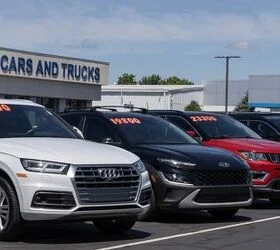
A recent study conducted by iSeeCars.com sheds critical light on this trend. The outlet reported that the average value of a three-year-old vehicle has increased by an astonishing 38.2 percent since 2019. In dollar terms, this translates to consumers paying an average of $9,027 more for the same models compared to the pre-pandemic era. While buyers of new cars are spending closer to $16,000 more over the same period, the percentage increase for new vehicles (33 percent) is notably lower than the used car market’s surge.
iSeeCars analyzed over 11.4 million used cars, ranging from three to fifteen years old, sold in 2019 and again in 2026. The analysis aimed to identify shifts in used car prices and the availability of vehicles priced below $20,000, broken down by vehicle age and model.
Karl Brauer, Executive Analyst at iSeeCars, commented on the findings, stating, "Today’s used car prices are among the most powerful examples of the affordability challenge facing consumers. With a $9,000 increase in the average 3-year-old car’s price since 2019, that’s an average of nearly $1,300 per year over seven years."
The impact on affordability is stark. In 2019, a significant portion of the used car market consisted of vehicles priced under $20,000. The iSeeCars report indicates that the share of three-year-old vehicles priced below this threshold has plummeted from nearly half of the market to a mere one in nine. This forces prospective buyers into a difficult choice: either allocate significantly more capital or opt for vehicles that are several years older than they might have initially planned.
A Shrinking Pool of Affordable Options
The diminishing availability of affordable used cars is a critical issue. Prior to 2019, it was relatively commonplace to find low-mileage vehicles for under $20,000. Dependable transportation with higher mileage could often be secured for under $10,000. However, iSeeCars now estimates that only about 26.6 percent of all five-year-old vehicles are priced below $20,000. The study suggests that consumers may need to consider vehicles that are seven years old to find a majority of secondhand models at this price point.
Brauer further elaborated on the generational shift in purchasing decisions: "Compared to 2019, used car shoppers now have to consider models that are three or four years older than they would have if they want to find the same pricing from seven years ago." He cautioned that "buying an older used car means a lower up-front cost, but higher post-purchase maintenance and repair costs." This creates a double bind for budget-conscious buyers, where initial savings are offset by increased long-term ownership expenses.
The only discernible upside for current vehicle owners is that their current assets are likely depreciating at a much slower rate than in previous years. However, this potential financial benefit is largely negated by the generalized inflation that has eroded purchasing power across the board. While an older car may command a higher dollar amount in a sale, the cost of essential goods and services, including groceries, housing, insurance, and indeed, the next vehicle purchase, has also increased substantially.
Shifting Dynamics in Vehicle Valuation
The elevated prices extend beyond the general market, influencing the valuation of specific vehicle segments. The increasing cost of vehicle repairs in recent years has inadvertently boosted the desirability of popular secondhand models. The reasoning is that these vehicles typically offer better parts availability and a wider pool of mechanics familiar with their systems, potentially leading to lower repair bills.
Interestingly, luxury vehicles, historically known for their rapid depreciation, have also seen significant increases in their used market valuations. Previously considered a relative bargain on the pre-owned market due to steep depreciation curves, many high-end models have now experienced substantial value appreciation.
For instance, the iSeeCars report highlights that three-year-old Porsche Cayennes have seen their average valuation climb by 75.7 percent since 2019. Other luxury and performance models, including the Porsche 911, Mercedes-Benz G-Class, Mercedes-Benz E-Class, Acura TLX, and BMW M3, have also outpaced the national averages by a considerable margin, with their valuations increasing by over 60 percent.
However, this surge in value is not exclusive to premium segments. Two surprisingly affordable models, the Hyundai Elantra and Nissan Versa, also rank among the top ten for used price increases, impacting buyers with limited spending power. Off-lease examples of these models, which were previously easily found below $20,000, have seen their prices narrow the gap with newer vehicles. The average price of a three-year-old Elantra is now reported at $19,178, a $6,883 increase since 2019, representing a 54.9 percent jump. The Nissan Versa, a similarly budget-friendly option, saw its average price rise to $15,718, an increase of $5,572.
While the majority of vehicles are experiencing appreciation, a few exceptions exist. Some three-year-old models, such as the Tesla Model X and Land Rover Discovery Sport, have seen their valuations decline or remain below the market average. Similarly, models like the Mazda CX-9, Tesla Model S, Range Rover Evoque, Volvo XC90, Nissan Murano, Buick Envision, Chevrolet Malibu, and Ford Edge have experienced valuation increases of less than 10 percent, significantly underperforming the market average.
The valuation trend for all-electric vehicles (EVs) is also noteworthy. Many EVs tend to experience a steeper depreciation curve than the average, though direct year-over-year comparisons from 2019 are often complicated by the fact that many of these models did not exist at that time. This makes it challenging to precisely quantify their depreciation trajectory relative to their initial market entry.
Broader Implications and Future Outlook
The current pricing environment presents a complex dilemma for consumers and the automotive industry alike. While the soaring prices of used vehicles might theoretically incentivize some buyers to consider purchasing new cars, thereby potentially stabilizing used car prices over time, other factors are at play. A significant segment of drivers is increasingly opting to hold onto their current vehicles for longer periods.
This trend is partly driven by concerns surrounding invasive technology and planned obsolescence in newer models. A subset of the market views older vehicles as more dependable and repairable, a sentiment that is gradually extending to slightly newer used vehicles as well. This creates a sustained demand for pre-owned cars, further contributing to their elevated values.
The future of automotive pricing remains uncertain. Manufacturers have largely maintained many of their controversial business practices, suggesting that a segment of the market will continue to favor used vehicles. However, the rising costs are now permeating the secondhand market, diminishing its appeal as a budget-friendly alternative.
North America has clearly signaled a significant level of pricing fatigue among drivers, affecting both new and used vehicle segments. Several major manufacturers have revised their sales targets downwards for the current year, with the market anticipating a modest decline in new vehicle volumes for 2026. This recalibration is attributed to several factors, including the slower-than-expected growth of the electric vehicle sector, a significant reduction in fleet sales, and the aforementioned economic pressures on retail buyers. Used vehicle sales are also projected to experience a leaner year, with an estimated decline of 3-5 percent compared to 2025 figures.
While the market may eventually reach a point of price stabilization, the question remains when and at what level. The current trajectory suggests a prolonged period of elevated automotive costs, forcing consumers to adapt their purchasing strategies and expectations in an increasingly challenging market. The dream of finding an affordable, reliable car is becoming a more distant reality for many, prompting a reevaluation of transportation needs and financial capabilities.