This is Part II of our LightForce interview series. While Part I focused on the technology behind the company’s customized 3D printed brackets, Part II looks at what that technology meant for the first patient to receive them. When Katie Doran was a teenager, she spent years in braces, wore headgear, and went through a series of retainers. Like many patients, she thought her orthodontic treatment was behind her. It wasn’t. Years later, her teeth had shifted again. She tried clear aligners during the COVID-19 pandemic, but they didn’t work. When she eventually saw an orthodontist, she was told she would likely need surgery before starting another round of braces, followed by about 18 months of treatment. “I kind of retired the idea of getting braces,” Doran, Vice President of Physical Operations at LightForce, told 3DPrint.com. “I thought my smile was just what it was.” Instead, she became the first patient to receive LightForce’s new fully customized 3D printed metal brackets. Seven and a half months later, her treatment was finished, just in time for her wedding. For Doran, the experience was different in more ways than one. As an executive at LightForce, she already understood the engineering behind the company’s customized brackets. But becoming the first patient to wear them gave her a completely different perspective. Designed from a digital treatment plan and 3D printed specifically for each patient, the brackets are the latest addition to LightForce’s personalized orthodontic platform.
A Revolution in Orthodontic Treatment
The journey of orthodontic treatment has long been characterized by lengthy processes, frequent adjustments, and a one-size-fits-all approach to bracket design. However, the advent of advanced manufacturing technologies, particularly 3D printing, is ushering in a new era of personalization and efficiency. LightForce Orthodontics has emerged as a pioneer in this field, developing fully customized, 3D-printed metal brackets that offer a paradigm shift in how orthodontic care is delivered. This innovation is not merely about aesthetic improvements; it represents a fundamental rethinking of treatment planning, patient experience, and clinical outcomes.
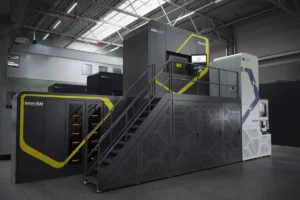
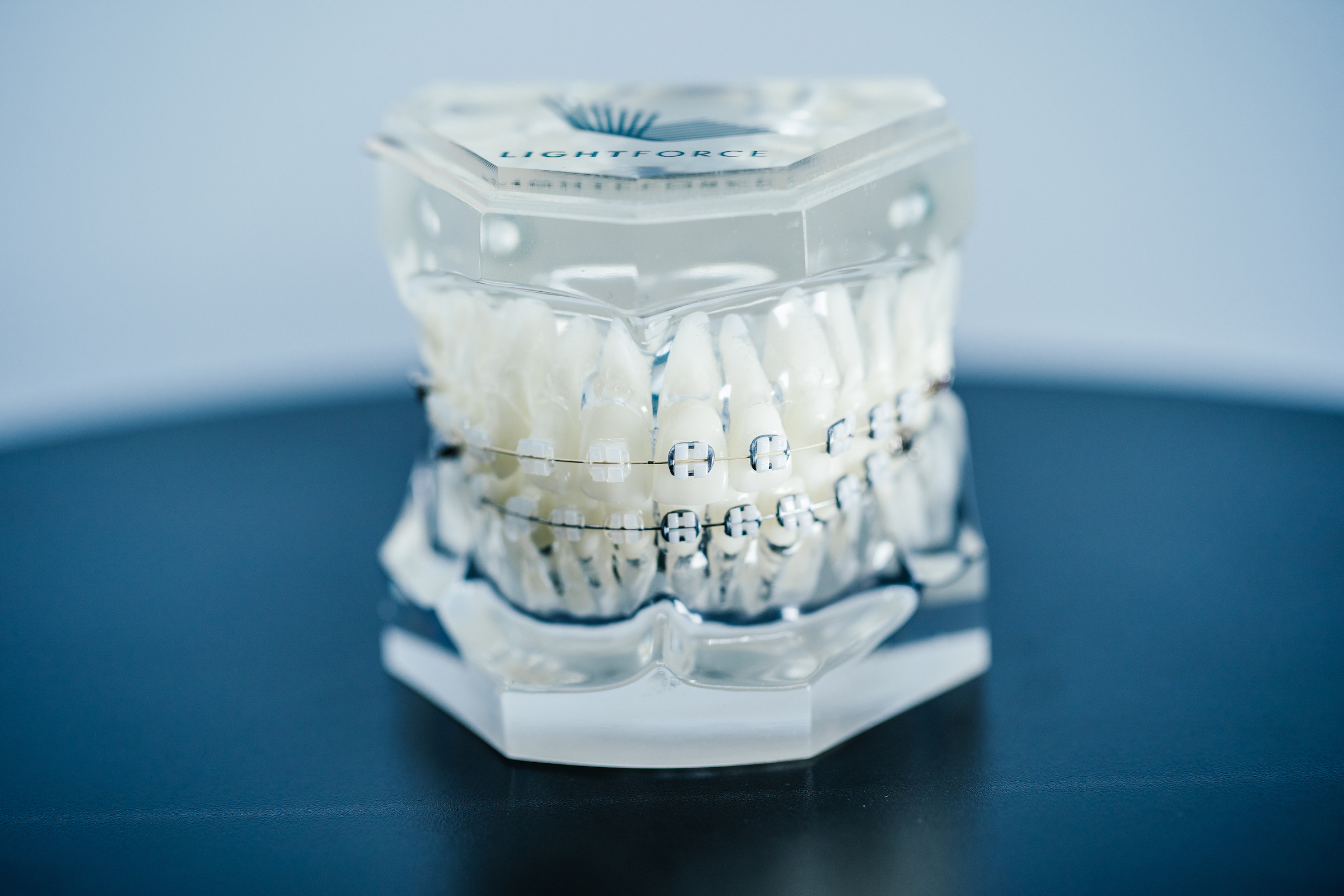
The process begins with a comprehensive digital scan of the patient’s teeth at the orthodontist’s office. This initial step captures precise anatomical data, forming the foundation for a highly individualized treatment strategy. LightForce then utilizes this data to create a detailed digital treatment plan, meticulously mapping out the optimal path for each tooth’s movement. Based on this sophisticated plan, the company designs and 3D prints a unique bracket for every single tooth. These metal brackets are not produced through traditional methods like casting or molds; instead, LightForce employs direct metal 3D printing in its state-of-the-art facility in Wilmington, Massachusetts. This direct manufacturing approach ensures that each patient receives a truly bespoke set of orthodontic appliances, tailored to their specific dental architecture and treatment goals.
Katie Doran’s Transformative Experience
Katie Doran’s personal journey with LightForce’s innovative brackets offers a compelling testament to the technology’s efficacy and patient-centric design. Having previously endured years of traditional braces as a teenager, including the often cumbersome headgear and multiple retainers, Doran was resigned to a compromised smile after her teeth shifted years later. Her attempt with clear aligners during the COVID-19 pandemic proved unsuccessful, leading to a disheartening prognosis from her orthodontist: surgery followed by an estimated 18 months of conventional braces. This prospect led Doran, who holds a leadership position at LightForce as Vice President of Physical Operations, to consider her orthodontic treatment a closed chapter.
However, Doran’s path took an unexpected and revolutionary turn when she became the inaugural patient to receive LightForce’s groundbreaking 3D-printed metal brackets. The results were nothing short of remarkable. Her entire treatment, which previously might have spanned years and involved numerous complex procedures, was completed in an astonishing seven and a half months. This swift resolution culminated just in time for her wedding, a significant personal milestone.
The experience was profoundly different from her teenage orthodontic ordeal. While her insider knowledge of LightForce’s technology provided an understanding of the engineering involved, wearing the brackets offered an unparalleled, firsthand appreciation of their impact. The custom-designed nature of these brackets, conceived from a digital treatment plan and meticulously 3D printed for each tooth, underscores LightForce’s commitment to a personalized orthodontic platform.
Streamlined Treatment and Unforeseen Benefits
The clinical efficiency and patient comfort afforded by LightForce’s custom brackets are significant advancements over traditional methods. Doran’s treatment required a mere six in-office visits, encompassing the initial bracket placement and final removal. Each subsequent follow-up appointment was remarkably brief, typically lasting only 10 to 15 minutes. During these visits, the process was streamlined: the digital treatment plan was reviewed, the archwire was adjusted, a progress photo was taken, and the patient was on their way.
“As a working professional, spending less time in the orthodontist’s chair was one of the biggest advantages,” Doran shared. “My treatment also corrected a Class III bite without surgery, something I hadn’t expected.” This unexpected outcome highlights the precision and effectiveness of the custom-designed approach, which can address complex malocclusions with greater accuracy and potentially avoid invasive surgical interventions.
Dr. Bryan Lockhart, an orthodontist who has collaborated with LightForce since its early stages, elaborates on the underlying principles that enable such efficiency. He explains that traditional braces require orthodontists to make numerous adjustments by repositioning standard brackets and bending wires over months to achieve the desired alignment. This process is inherently time-consuming and relies heavily on the orthodontist’s skill and experience in interpreting and executing fine-tuning adjustments.

Customized brackets fundamentally alter this dynamic. Instead of starting with generic components, the treatment begins with a digital blueprint that dictates the precise placement and angulation of each bracket for each tooth. The manufacturing process then ensures that these specifications are realized with unparalleled accuracy. This predictive and pre-engineered approach minimizes the need for reactive adjustments, leading to a more predictable and accelerated treatment trajectory.
The Evolving Landscape of Orthodontic Options
The orthodontic field has witnessed a significant diversification of treatment modalities in recent years. While clear aligners have gained considerable traction, particularly among adults seeking a discreet orthodontic solution, traditional braces continue to hold their ground and evolve with technological advancements. Unlike aligners, which require patient compliance for consistent wear throughout the day and can be removed by the patient, braces remain passively affixed to the teeth. This inherent characteristic provides orthodontists with a higher degree of control over tooth movement, which is particularly advantageous in managing more intricate or severe orthodontic cases.
The contemporary orthodontic patient is presented with an unprecedented array of choices. Some opt for the convenience and subtlety of clear aligners, while others gravitate towards the established efficacy of braces. Even within the realm of braces, patients can now select between traditional and customized options, made from either tooth-colored ceramic or more robust metal, aligning with their specific clinical requirements and personal aesthetic preferences.
Interestingly, braces have experienced a resurgence in popularity, especially among younger demographics. The influence of social media and evolving aesthetic trends has contributed to a greater acceptance and even embrace of metal braces, which were once viewed with a degree of social stigma. LightForce’s innovation elegantly bridges the gap between the established control of traditional braces and the personalized precision of 3D printing, offering a compelling alternative for a broad spectrum of patients.
Efficiency in Placement and Enhanced Comfort
The advantages of LightForce’s customized brackets extend to the initial placement phase as well. The custom trays designed for these brackets allow orthodontists to bond all brackets simultaneously, a significant departure from the time-consuming process of individually placing each bracket. Dr. Lockhart notes that this streamlined approach considerably reduces the chair time required for the initial appointment, a crucial factor for patient satisfaction and practice efficiency.
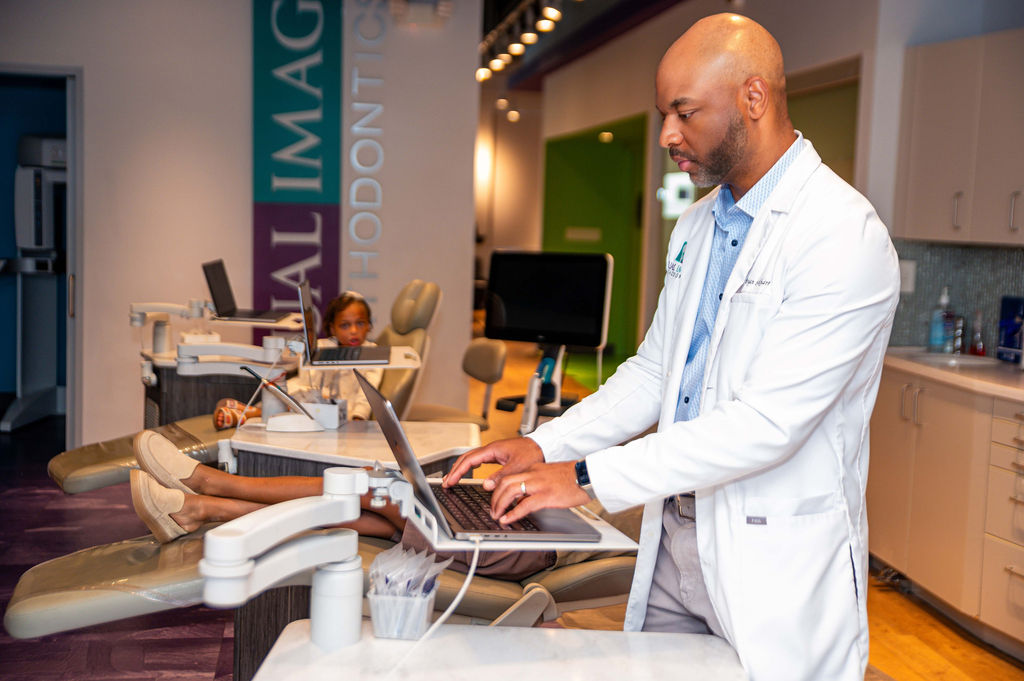
Beyond the practical benefits of reduced appointment times, Doran also experienced enhanced comfort due to the precise fit of her custom brackets. The ability to position the brackets more favorably on her teeth eliminated the need for bite turbos – small attachments sometimes used to prevent patients from biting directly onto their brackets. This detail, while seemingly minor, contributes to a more comfortable and less intrusive treatment experience.
As Vice President of Physical Operations, Doran is intimately familiar with the intricate manufacturing processes behind LightForce’s custom brackets. However, undergoing the treatment herself provided a critical shift in perspective. “I cared far more about how it felt to have this product in my body than about the manufacturing process,” she stated. “Most patients feel the same way. The technology matters because it leads to a better experience, not because patients want to know how the brackets are made. The manufacturing process is incredibly cool. But the benefit is that it allows us to do something you simply couldn’t achieve with traditional manufacturing.” This sentiment underscores the patient-centric ethos driving LightForce’s innovation.
The Future of Orthodontics: Precision and Personalization
Dr. Lockhart views customized braces as the inevitable next evolutionary step in orthodontics. He draws a parallel to historical advancements, recalling a time when orthodontists meticulously bent nearly every wire by hand. The introduction of brackets with built-in prescriptions later simplified the process. In his view, personalized brackets represent the logical progression, offering an unprecedented level of precision and predictability.
Doran echoes this sentiment, observing that orthodontics has remained relatively static for nearly a century, with the exception of clear aligners. This lack of significant innovation has created a fertile ground for advancements. For patients, the benefits of these advancements are often perceived in straightforward terms: fewer appointments, less time in the orthodontist’s chair, and, in Doran’s case, achieving a perfect smile in time for a major life event.
The implications of LightForce’s 3D-printed custom brackets extend beyond individual patient experiences. They signal a broader industry trend towards leveraging advanced manufacturing to enhance clinical outcomes, improve patient comfort, and optimize treatment efficiency. As 3D printing technology continues to mature and become more accessible, it is poised to revolutionize various aspects of healthcare, with orthodontics serving as a prime example of its transformative potential. The ability to create highly specific, patient-matched devices on demand opens doors to treatments that were previously unimaginable, promising a future where orthodontic care is not only more effective but also more accessible and comfortable for everyone. The continued integration of digital technologies, from scanning to planning to manufacturing, points towards a future where the patient’s unique anatomy and treatment needs are at the absolute center of every orthodontic plan.