The process of relocating to New York City is underway for a prominent figure in the watch enthusiast community, marking a significant personal and professional transition. This move, involving the logistical challenge of packing a lifetime’s worth of possessions, has prompted a profound reflection on the nature of collecting, the objects we accumulate, and their enduring impact on our identities and life trajectories. While the immediate focus is on establishing a new residence in Brooklyn, the underlying narrative delves into the deeper meaning of personal collections, particularly watches and music, and their role in bridging past experiences with future endeavors.
A New Chapter in the Heart of American Horology
The decision to relocate to New York City signifies a strategic shift for the individual, aiming to foster closer collaboration with colleagues at Worn & Wound, a respected publication within the watch industry. Currently, interactions with these colleagues are largely mediated through digital platforms like Google Meet, with infrequent in-person meetings. The move promises to create a more integrated and immersive professional environment, allowing for a deeper engagement with the epicenter of the United States watch industry. Furthermore, the logistical convenience of direct flights to Geneva, a global hub for watchmaking, and the sheer accessibility of diverse culinary options, such as a constant availability of dumplings, are cited as appealing benefits. This transition from Amtrak Acela frequent flyer status to a more settled urban existence underscores a deliberate pivot towards a more centralized and dynamic professional life.

The Paradox of Accumulation: Navigating the Moving Process
The practicalities of moving, however, present a stark contrast to the excitement of the new destination. The arduous task of sorting through years of accumulated belongings—deciding what to keep, what to sell or donate, what to discard, and what to temporarily store—has become a central theme. This physical act of decluttering has catalyzed introspection on the broader concept of collecting. The sheer volume of items, from everyday essentials to deeply personal mementos, forces a reckoning with the "stuff" that accompanies us through life, shaping our narratives and often proving difficult to relinquish.
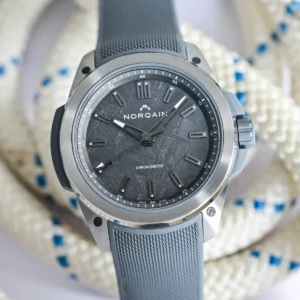
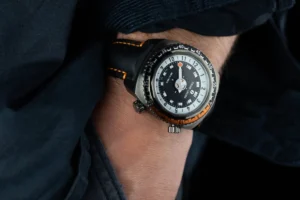
The author’s personal collection of watches, though compact and relatively easy to transport, represents a core element of their identity. While a few pieces have been sold to offset moving expenses, a wholesale divestment was never contemplated. This highlights the intrinsic value, both monetary and sentimental, that collectors often place on their timepieces. The sheer volume of watch presentation boxes, however, presents a significant logistical hurdle, commonly referred to as an "albatross" within the hobby. This issue, prevalent among watch enthusiasts, underscores a systemic challenge in managing the physical footprint of collecting, prompting a call for more sustainable and less cumbersome practices within the community.
Echoes of Past Passions: From Physical Media to Analog Revival
The move also brings into sharp focus the evolution of collecting habits over the nearly thirteen years spent in the Concord apartment. Upon moving in, the author was an emerging watch collector, a nascent stage characterized by an appreciation for watches but not yet a deep immersion in the enthusiast community. This period predated the daily engagement with watch publications and forums that would later become integral to the author’s life.

Interestingly, the initial manifestation of the "collecting bug" was directed towards physical media—DVDs, Blu-rays, CDs, and vinyl records. These formats represented the early rabbit holes of the author’s collecting journey, pursued with an intensity that now seems almost sedate compared to the current watch collecting endeavors. The advent of streaming services fundamentally altered viewing and listening habits, leading to a conscious decision to forgo transporting large collections of physical media to the more compact New York apartment. The prospect of a smaller living space, free from the need for extensive shelving for discs, is viewed as a welcome simplification.
The Enduring Allure of Vinyl: A Deeper Connection
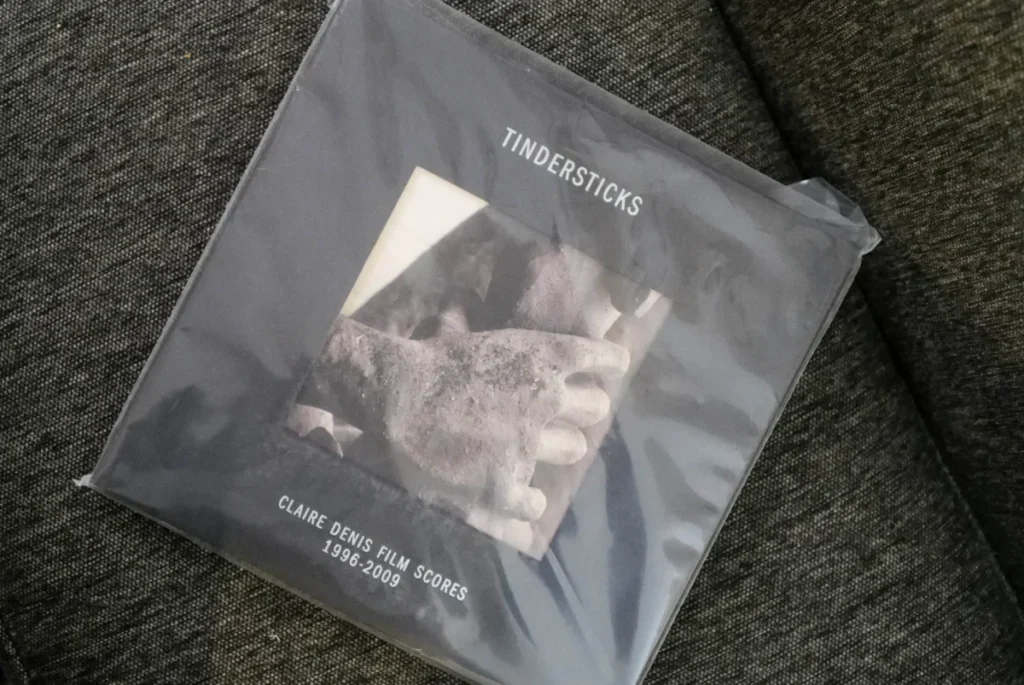
The most significant challenge in the moving process, however, revolves around the vinyl record collection. Despite an initial resolution not to bring them to Brooklyn, the act of packing these records evoked a powerful wave of nostalgia. These records have been silent witnesses to significant life transitions, accompanying the author through different careers, relationships, and stages of personal development. Some have been a constant presence for over two decades, charting not only musical tastes but also life’s evolving narrative—from a "jazz phase" to an obsession with Tom Waits and a period of avid purchasing from the Temporary Residence label.
The experience of sorting through the records has been described as a regression to the feeling of being a beginner watch collector. While bonds have undoubtedly been formed with watches, the connection to many of these albums feels more mature, imbued with a deeper sense of history and personal meaning. The physical presence of these records, even without the music itself, holds a distinct significance.

Iconic Artifacts and Their Stories
Specific records hold particularly profound meaning. Radiohead’s In Rainbows, in its original limited edition "Disc Box" configuration, is cited as a deeply cherished item. The experience of receiving this album from England, unboxing its intricate artwork and packaging, and listening to it on a nascent audio setup, served as an early catalyst for upgrading audio equipment over years of dedicated collecting. This record, known for its exceptional mastering, became the benchmark for testing new audio components, its every note intimately familiar.
Another cornerstone of the collection is Bob Dylan’s "Original Mono Recordings" box set. This lavish collection, featuring his first eight albums in mono, represents a historical document of immense personal value. The author, who frequently identifies Bob Dylan as their favorite artist, considers this set, with its heavyweight vinyl and meticulously reproduced artwork, an irreplaceable artifact. The fact that both CD and vinyl versions are owned underscores the depth of this collector’s commitment.
The collection extends further, encompassing indie rock acquired on "Pitchfork hype," obscure 1970s progressive rock from dollar bins, and expensive, blind purchases of Brazilian prog. Limited edition "Record Store Day" releases, acquired on sunny April mornings at the original Newbury Comics in Boston’s Back Bay, also feature prominently. Even records "borrowed" from parents’ basement in their twenties, some of which may have resided on shelves longer than they did in their original homes, are part of this intricate tapestry.

The Interconnectedness of Collecting: Aesthetics, Ritual, and Emotion
A crucial realization emerging from this process is the symbiotic relationship between the record collection and the watch collection. The records, in essence, explain the watches. Both represent a bridge to deeper engagement with objects and art. A shared appreciation for presentation is evident: the author, identifying as a design-oriented watch collector, prioritizes aesthetics. Similarly, with records, gatefold jackets with expansive artwork and the allure of colored vinyl, a trend particularly popular during the peak of the author’s vinyl collecting years, were highly prized.
A more direct connection lies in their shared obsolescence in an era of ubiquitous digital streaming. A single device can, theoretically, replace both a turntable and a watch. Yet, for dedicated enthusiasts in either hobby, the pleasure resides in the ritual: winding a watch, cleaning a record, and diligently flipping it from side A to side B. These actions foster a profound connection to the objects and the art, a tangible experience that transcends mere functionality and is difficult to articulate. This immersion, cultivated over time, makes relinquishing these items increasingly challenging, even as their digital replacements become more readily available.
The Emotional Resonance of Possessions
Over time, a sentimental attachment to watches has developed, an aspect the author had long resisted. This shift from a detached appreciation to an emotionally invested relationship marks a significant personal evolution. Music, being inherently emotional and tied to people and moments, has always served as a potent spark for memory and meaning. Watches, while often seen as utilitarian or purely aesthetic, also carry similar emotional weight, a realization that has taken longer to fully embrace. The physical manifestation of music, particularly in the form of a vinyl LP, makes this emotional connection more immediately apparent.

Embracing the Burden: The Inextricable Link to Our Past
The question of whether these collected items will continue to be a constant burden, following the author to every new landing, looms large. The pragmatic response, however, is an acceptance of this reality. The impending move to Brooklyn next month will necessitate the acquisition of an inexpensive turntable and simple powered speakers to facilitate the enjoyment of the record collection. Each new chapter of adult life has involved carrying these records, serving as a vital link between past experiences and future endeavors. To eliminate hundreds of pounds of music from the moving process would not be simplifying life; it would be an erasure of a significant portion of it. The collection, in its tangible form, represents a lived history, an indelible part of the individual’s journey.