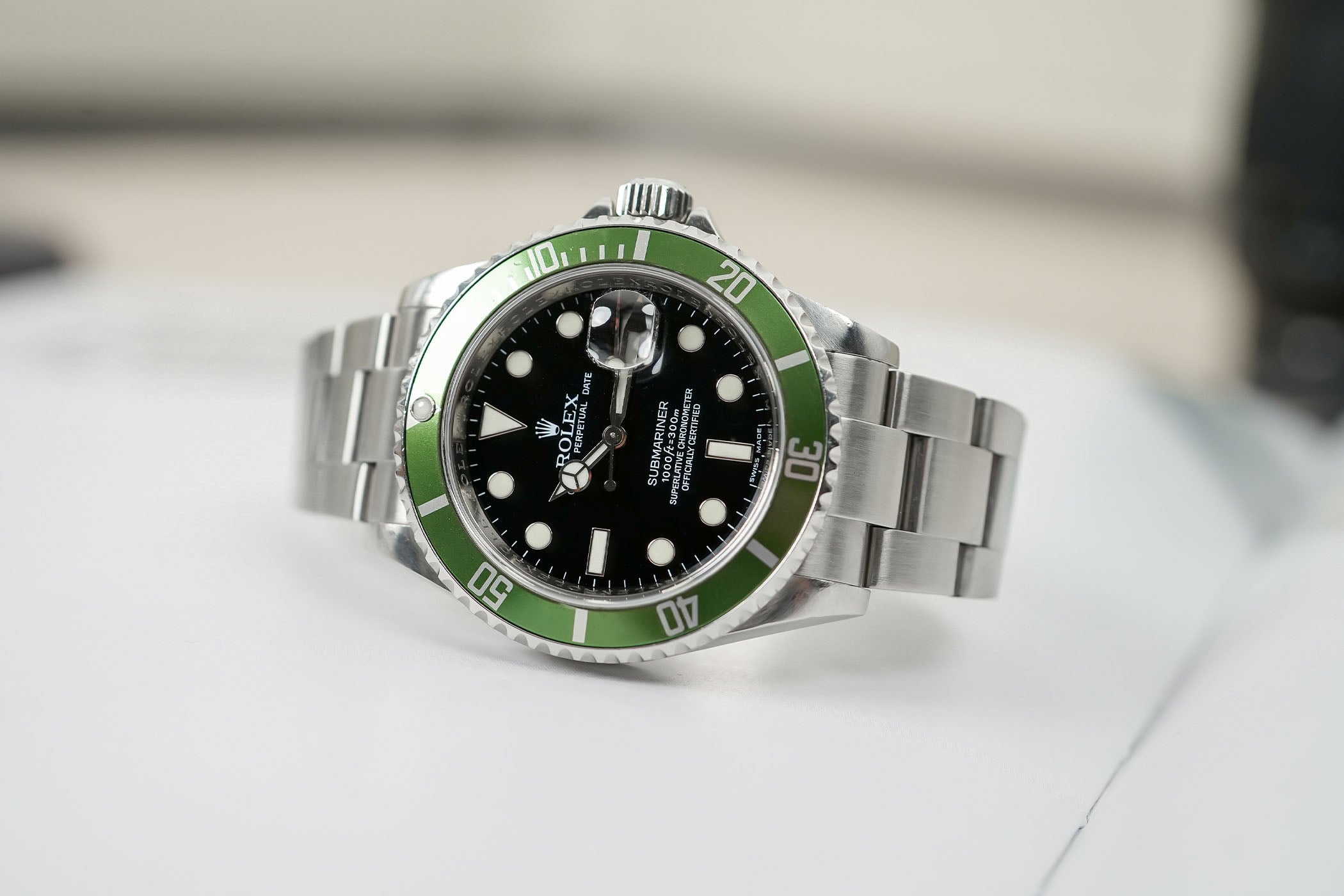
Imagine a steel Rolex Submariner, purchased in the summer of 1968 from a family jeweler in a quaint European town. The salesperson meticulously records the shop’s name and the transaction date on the accompanying papers, tucking the receipt into the watch’s box before handing it over. Decades later, in 1985, a skilled watchmaker replaces a worn bezel during a service, making a note of the repair in their workshop ledger. By 2004, the watch surfaces again, this time at a regional auction. By the time a dealer acquires it in 2019, the original papers and receipt are long lost. This fragmented history is a common narrative in the pre-owned watch trade, where crucial pieces of a timepiece’s journey are often scattered and inaccessible. Even a watch purchased new in 2015 might have changed hands multiple times, undergone servicing, and received new components, with none of this information readily available to a prospective buyer. This lack of cohesive historical data poses a significant challenge in a market where provenance and authenticity are paramount.
For the vast majority of pre-owned watches, this is the status quo. Unlike fine art, which can boast centuries of documented ownership, or used cars, which come with comprehensive history reports, mechanical watches—often built to endure for generations—typically arrive with only the information the last seller can provide. This reality is now beginning to change. On World Watch Day, Amsterdam-based company Worldwatch has launched a significant initiative: the Worldwatch Register. This free, publicly accessible directory of professional watch dealers aims to be the foundational step toward establishing a more robust and reliable system for documenting watch histories.
The Siloed Nature of Watch Trade Records
The current landscape of the pre-owned watch market is characterized by a fragmented record-keeping system, where each segment of the industry operates in isolation. Stan Duin, founder of Vintage Masters and co-founder of The Horology Club Europe, who is now dedicating his full attention to Worldwatch, highlights this pervasive issue. "Every time a buyer encounters a new dealer, they have to vet that dealer from scratch. And each time a watch changes hands, someone has to re-evaluate whether it is what it claims to be," Duin explains. His firsthand experience in the trade has informed Worldwatch’s mission, with a team of ten individuals working to consolidate the entire business of a watch dealer onto a single, integrated platform.
Duin emphasizes that Worldwatch’s development is driven by the very challenges encountered within the industry. "We build for the problems we run into ourselves," he states. "We engage with numerous stakeholders in this market, including dealers, collectors, watchmakers, auction houses, and marketplaces, consistently asking about the most significant challenges. Our focus is then directed towards addressing the most prominent issues we identify." The core problem, as Duin perceives it, is that each entity within the trade maintains its own proprietary records, and these records rarely interconnect.
This isolation creates significant knowledge gaps and inefficiencies. "Everyone in this trade operates on their own island," Duin elaborates. "The dealer maintains an inventory book, the watchmaker keeps workshop records, the auction house has its catalogue, the authenticator produces a report, and the marketplace hosts a listing. Each possesses a fragment of the watch’s narrative, but these pieces remain disconnected. When a dealer retires, decades of accumulated knowledge about specific watches often disappear with them."
This stands in stark contrast to other collector markets. Art historians meticulously trace a painting’s provenance through historical dealer archives, such as the extensive records of Joseph Duveen held by the Getty Research Institute. Similarly, a graded trading card comes with a unique certificate number that can be easily verified. Prospective buyers of used cars routinely consult comprehensive history reports. Watches, however, designed for longevity and intergenerational ownership, have historically lacked such equivalent mechanisms for historical traceability.
The Worldwatch Register: A New Framework for Dealer Transparency
The Worldwatch Register, accessible online at worldwatch.market/register, represents a critical first step in rectifying this deficiency. The platform provides a clear and verifiable listing for professional watch dealers, offering essential information such as their business name, operational location, the year they commenced trading, and a direct link to their official website. Crucially, alongside each piece of information, the Register indicates the source of verification and the date of verification, adding a layer of accountability.
Key Information Available on Dealer Listings:
- Business Name: The official registered name of the dealership.
- Location: The primary operational base of the business.
- Trading Commencement Year: The year the dealership began its operations in the watch trade.
- Website Link: A direct URL to the dealer’s official online presence.
- Verification Status: Indicates that the dealer has undergone Worldwatch’s verification process.
- Date of Verification: The date on which the dealer’s information was confirmed.
Information Excluded from Dealer Listings:
- Watch-Specific Details: The Register focuses on dealer verification, not on individual watch histories or valuations.
- Price or Valuation Data: The platform is not a marketplace or appraisal service.
- Customer Reviews or Ratings: Worldwatch emphasizes objective verification over subjective opinion.
The process for dealers to join the Register is designed to be straightforward and accessible. It involves creating a free account, establishing a public profile complete with their company logo, and undergoing a verification procedure. To achieve verified status, dealers must formally agree to a code of conduct and participate in a detailed interview with the Worldwatch team, who guide them through a standardized set of questions. Both listing and verification are offered free of charge. Furthermore, to ensure impartiality and prevent any perception of favoritism, the order in which dealers appear on the Register is randomized daily, meaning no dealer can pay for a preferential position.
"Every list that ranks businesses eventually ends up selling the top spot," Duin observes. "The Register does not declare a dealer as ‘good.’ Instead, it clearly outlines what has been checked and when: confirming that the business exists and that it is who it claims to be. The ultimate judgment remains with the buyer, where it rightfully belongs." The Register’s primary function is to provide buyers with verified information about the dealers they are considering engaging with. While the assessment of a watch’s condition and authenticity remains a collaborative process between the buyer and the dealer, the Register ensures that buyers know who they are dealing with before that conversation even begins.
The Worldwatch Register is strategically designed to serve four key stakeholder groups:
- Dealers seeking visibility: Verified profiles provide a credible digital footprint that dealers can confidently share with potential buyers, along with a badge for their own websites.
- Collectors seeking assurance: The Register offers an additional layer of due diligence for collectors before making a purchase.
- Dealers seeking trusted partners: It provides a reliable method for dealers to vet and establish confidence when trading with unfamiliar counterparts.
- Brands and Platforms: Companies involved in certified pre-owned programs and marketplaces can leverage the Register to ensure that the dealers they source from or feature are legitimate and verified entities, thereby enhancing buyer confidence.
Leon Noordanus, co-founder of the marketplace Wristler, was privy to the Register’s development prior to its public launch. "Expertise and craftsmanship are fundamental to this market, which is why we exclusively partner with professional watch dealers and jewelers," he stated. "An open register of these professionals provides buyers with an additional avenue to verify the credentials of those they are purchasing from."
Expanding the Scope: The Future of Watchmaker Integration
Looking ahead, Worldwatch has ambitious plans to incorporate watchmakers into the Register. Currently, every watch in the pre-owned trade passes through a watchmaker’s hands, yet there is no centralized public record of these skilled professionals or their areas of specialization. Worldwatch is actively engaged in discussions with watchmakers and their representative organizations to collaboratively define the essential elements of a watchmaker’s listing. This initiative promises significant benefits for collectors, enabling them to identify the most suitable workshops for specific watch models. For the watches themselves, this integration means that their service histories will no longer be confined to individual workshop archives.
Gertjan Westerbeke, a watchmaker and microparts specialist who owns The Janus Huibregt Collection, was among the first to review the Register. He described it as "a very welcome register, and remarkable that nothing of this nature has existed until now. Trust and specialized craftsmanship are paramount in watch servicing."
Moving Beyond "Box and Papers"
The concept of a "full set"—encompassing the original box, papers, and any accompanying accessories—is often the initial point of inquiry for new pre-owned watch buyers. However, Stan Duin suggests a more nuanced perspective. "Papers can get lost. A period-correct box might have been acquired decades later, and its original connection to the watch can be uncertain. An archive extract can confirm a watch’s manufacture date and initial delivery location, but it is not the original paperwork."
Duin elaborates, "While ‘box and papers’ hold significance as they represent a part of a watch’s history, when you purchase from a knowledgeable dealer, their expertise often carries more weight than these documents alone. Furthermore, a watch does not necessarily need to remain entirely original throughout its existence. Just as no one expects a restored classic car to retain every single original part, the focus shifts to understanding what has been replaced, when, and by whom. As original components become increasingly scarce, this detailed history of work performed will only gain further importance."
The demographic of pre-owned watch buyers is expanding, and Duin identifies a significant knowledge gap as the primary barrier for newcomers. "A recorded fact provides a buyer with more concrete information than anyone’s opinion," he asserts. "Objective data is more valuable than subjective statements, and that is precisely what we are building towards."
Frank Smits, founder of The Horology Club Europe, echoes this sentiment from a buyer’s perspective: "As a serious collector, I require comprehensive information about a watch I am considering for purchase. Understanding the precise details regarding originality and authenticity empowers me to make an informed decision, either to acquire the watch or to pass on the opportunity."
This ambition to connect the disparate moments in a watch’s life into a cohesive historical narrative lies at the heart of the Register’s long-term vision. The envisioned timeline, exemplified by a 1968 sale by a jeweler, followed by a 1985 service by a watchmaker, a 2004 auction sale, and ultimately an offering by a verified dealer, illustrates the potential for a connected history.
Each recorded event serves as a vital link in this chain of provenance. It’s important to note that a complete chain is not a prerequisite for usefulness. The vast majority of watches currently on the market lack any recorded history, and this is considered normal. However, with each added link, the narrative becomes richer, offering subsequent buyers greater insight. Crucially, the loss of a single receipt does not irrevocably break the chain. The individuals who appear in this historical chain do so by their own volition. A dealer’s name is attached only with their explicit consent, much like an auction catalogue might attribute a lot to "an important private collection" or name a consignor. The owner retains control over what information is shared. "Our objective is that in ten years, you can still purchase the watch you desire," Duin states, "and have a clear understanding of exactly what you are acquiring."
An Open Invitation to Collaborative Growth
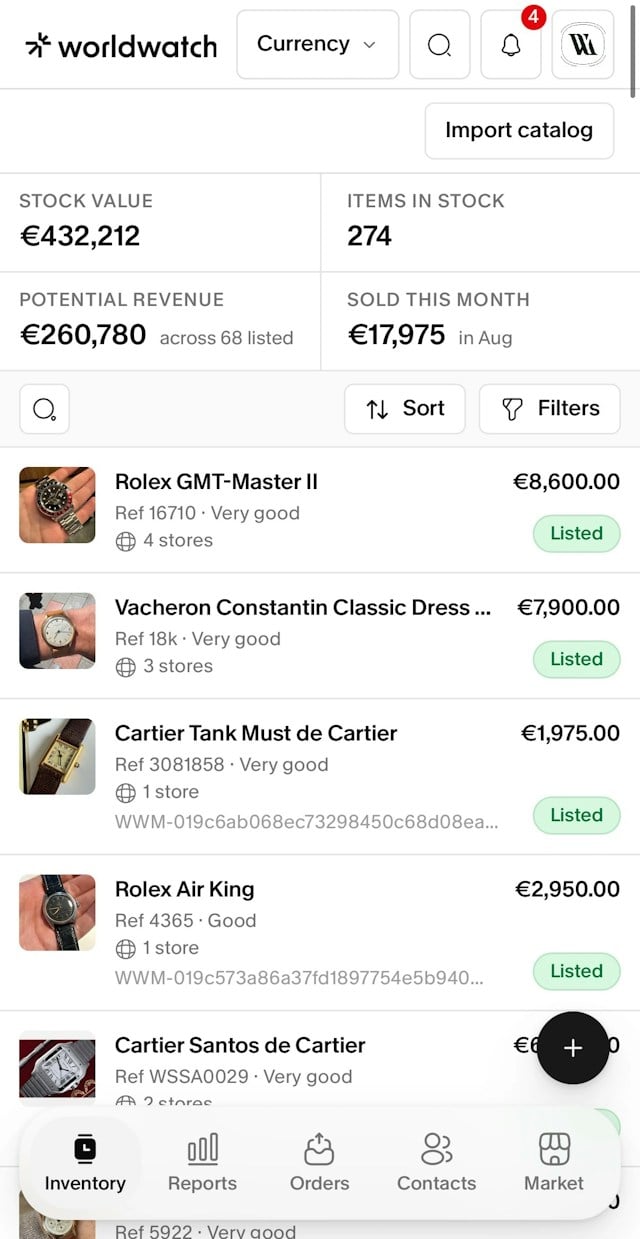
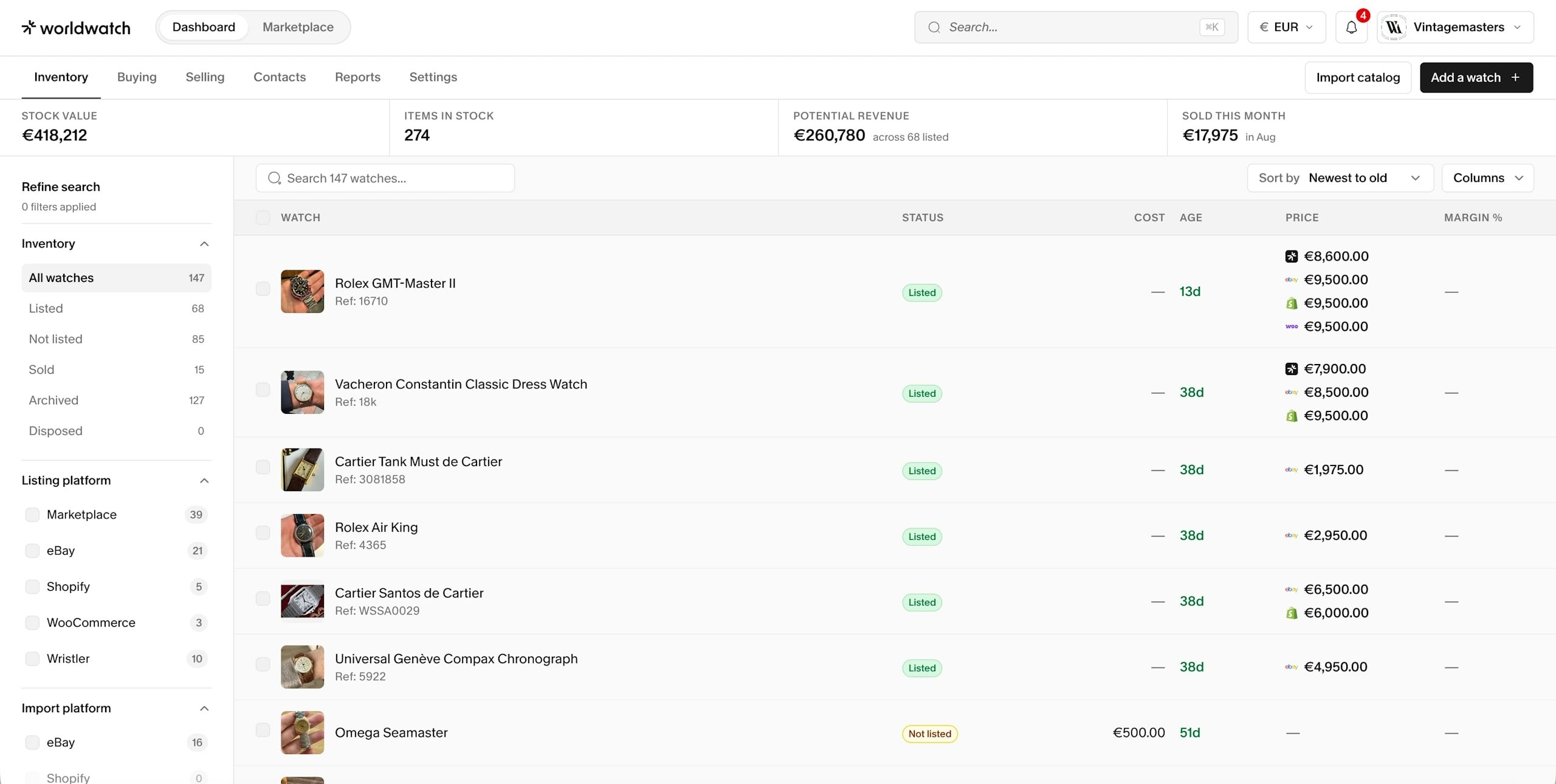
Worldwatch’s core offering is a comprehensive platform designed to manage the entire operational lifecycle of a watch dealership, from acquisition and listing to sales and shipping. The Worldwatch Register, however, operates as a distinct entity: it is freely available to all dealers, irrespective of whether they utilize the Worldwatch platform.
Duin is clear about Worldwatch’s strategic approach: they aim to complement, rather than replicate, existing services that are already performed effectively. Auction archives, authentication services, and brand-led certified pre-owned programs all represent integral components of a watch’s historical record. "We can envision brands wanting to track the origin and subsequent journey of their certified watches," Duin suggests.
"We have no intention of duplicating efforts," he emphasizes. "If a company has already developed solutions in this area, we encourage them to reach out so we can collaborate. The same invitation extends to anyone wishing to build upon the Worldwatch framework. This initiative is a call to the market to move beyond isolated operations." The pace of adoption and the widespread establishment of historical watch records will ultimately be driven by collectors. Once a significant number of collectors begin to inquire about a watch’s past before making a purchase, a documented history will naturally become the expected standard.
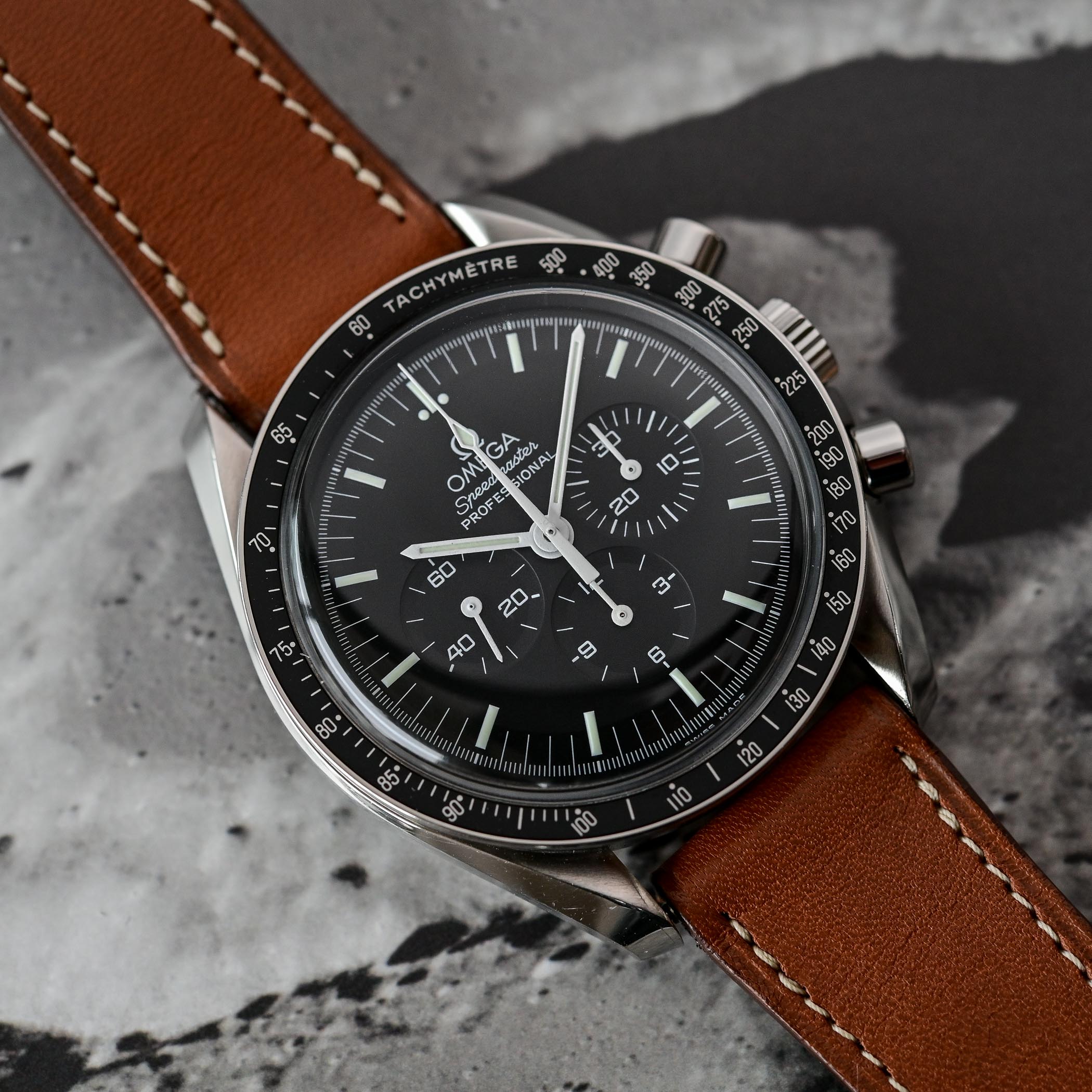
The next time you consider acquiring a watch from a dealer you haven’t previously engaged with, take a moment to verify their credentials on worldwatch.market/register. For dealers, creating a free account and completing the verification process is a simple step towards gaining visibility and trust. And if a watch in your collection possesses a unique story, encourage your dealer to help document and preserve it.