In a significant stride towards decarbonizing the aviation industry, US-based ZeroAvia, a pioneer in hydrogen-electric propulsion, has officially partnered with French aerospace giant Safran. This strategic collaboration is poised to dramatically accelerate the development and certification of zero-emission, hydrogen-electric propulsion technologies, specifically targeting the demanding requirements of heavy commercial airliners. The alliance represents a powerful fusion of ZeroAvia’s cutting-edge expertise in aerospace fuel cells with Safran’s profound legacy and extensive capabilities in propulsion systems, electrification, and rigorous fuel cell testing, aiming to overcome some of the most formidable technical hurdles in sustainable aviation.
The Nexus of Expertise: A Strategic Alliance
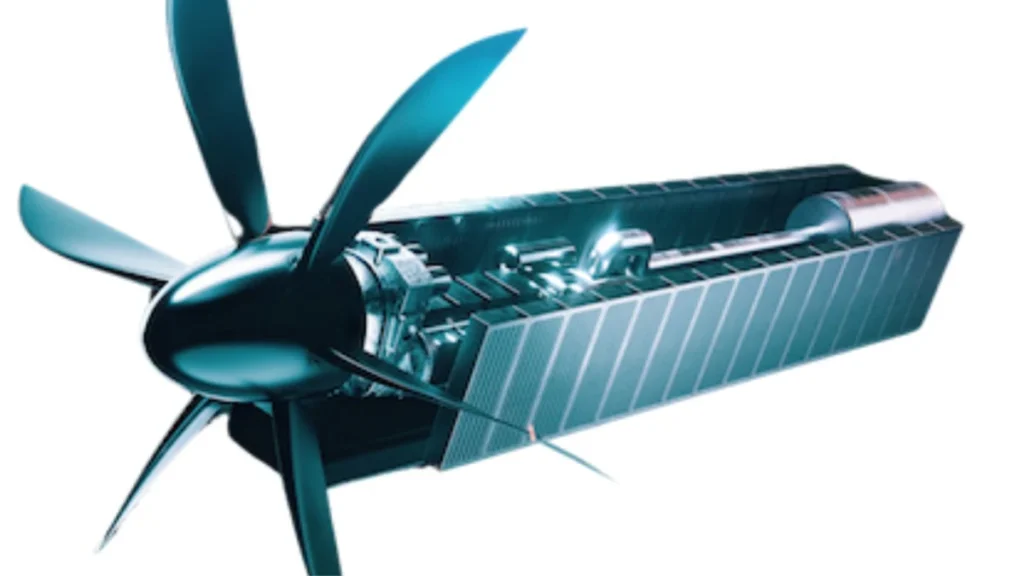
The core of this partnership centers on the development of advanced high-temperature fuel cells, a technology deemed indispensable for meeting the intense, sustained power demands characteristic of larger commercial aircraft. Unlike the cooler-running fuel cells typically employed in automotive applications or smaller unmanned aerial vehicles, these sophisticated high-temperature systems are engineered to unlock the substantial power output required for heavier aircraft. Crucially, they also promise a significant reduction in the size and weight of the heavy cooling equipment traditionally necessary to maintain the operational stability of hydrogen powertrains, thereby enhancing overall efficiency and payload capacity.
Christine Ourmières-Widener, Executive Chair of ZeroAvia, articulated the transformative potential of this collaboration, stating, "Hydrogen-electric propulsion has the potential to transform aerospace and defense applications, and collaboration is essential to accelerating that transition. By working hand-in-hand with Safran, we are helping to advance technologies that are critical to building a better, cleaner future for flight." Her statement underscores the industry’s recognition that monumental shifts require collective effort and the pooling of specialized knowledge.
Safran, a venerable name in aerospace with a deep-seated history stretching back over a century, brings to the table unparalleled experience in integrating complex propulsion systems and navigating the stringent regulatory landscape of aviation. The company previously achieved a significant milestone by securing the world’s first certification for its ENGINeUS electric propulsion system in 2018, albeit for lighter aircraft applications. This existing certification pedigree, combined with extensive testing facilities and manufacturing scale, provides an invaluable framework for ZeroAvia. For the burgeoning startup, this partnership offers a critical "shortcut," integrating its agile, innovation-driven approach into the rigorous, safety-first engineering environment of a large, established aerospace entity. This synergy is expected to act as a powerful catalyst, accelerating the maturation of technologies that might otherwise take decades to develop independently.
A statement from the companies highlighted this intent: “This partnership between Safran and ZeroAvia will act as a catalyst in accelerating the maturation of technologies for fuel cell electric propulsion systems. The partners will investigate in particular collaboration on advanced High-Temperature fuel cells paving the way for future demanding aviation applications.” This commitment to advanced high-temperature fuel cells signifies a direct assault on the technical barriers preventing hydrogen from powering the mainstream commercial fleet.
Pioneering High-Temperature Fuel Cells: A Technical Deep Dive
The distinction between conventional and high-temperature fuel cells is paramount for aviation. Low-temperature proton exchange membrane (PEM) fuel cells, while efficient for cars and smaller drones, struggle with the power density and thermal management challenges inherent in large aircraft. Their operating temperatures, typically below 100°C, necessitate substantial cooling systems to dissipate waste heat, adding considerable weight and complexity.
High-temperature fuel cells, such as high-temperature PEM fuel cells (HT-PEMFCs) or solid oxide fuel cells (SOFCs), operate at significantly elevated temperatures, often ranging from 120°C to 200°C for HT-PEMFCs and up to 1000°C for SOFCs. This higher operating temperature confers several advantages crucial for aviation:
- Improved Power Density: Chemical reactions occur more rapidly and efficiently at higher temperatures, leading to greater power output per unit of fuel cell stack volume and weight. This is critical for aircraft where every kilogram counts.
- Simplified Thermal Management: The larger temperature difference between the fuel cell and the ambient air allows for more efficient heat rejection, potentially reducing the size and weight of cooling systems. Furthermore, the waste heat can be more easily integrated into other aircraft systems or used to pre-heat hydrogen, improving overall system efficiency.
- Enhanced Tolerance to Impurities: High-temperature fuel cells are generally more tolerant to impurities in the hydrogen fuel, which can be a factor in large-scale hydrogen production and distribution.
- Water Management: At higher temperatures, water is typically produced as steam, simplifying water removal from the cell compared to liquid water management in low-temperature cells, which can be challenging, especially at varying altitudes and temperatures.
However, developing high-temperature fuel cells for aviation also presents significant engineering challenges, including material durability, thermal cycling stresses, and ensuring reliable operation over a wide range of atmospheric conditions and flight profiles. The collaboration leverages Safran’s deep materials science and propulsion system integration expertise to tackle these complex issues head-on.
The Imperative for Green Aviation: Addressing Emissions
The urgency for sustainable aviation solutions is underscored by the industry’s significant environmental footprint. Aviation currently accounts for approximately 2.5% of global CO2 emissions, a figure projected to rise substantially with increasing air travel demand. The industry has, for some time, pinned its near-term hopes on Sustainable Aviation Fuels (SAFs), which are biofuels blended with conventional kerosene. While SAFs offer a pathway to reduce net carbon emissions, their widespread adoption faces considerable hurdles. SAFs are still in nascent stages of development, remain significantly more expensive than traditional jet fuel, are scarce in supply, and, critically, still release carbon during flight, even if derived from sustainable biomass. Their "net-zero" claim relies on carbon sequestration during feedstock growth, which is a complex accounting mechanism.
Hydrogen, by contrast, fundamentally changes the equation. When liquid hydrogen passes through a fuel cell, it reacts with oxygen from the air to generate electricity, which then powers electric motors to spin the propellers. The only byproduct of this electrochemical reaction is pure water. This makes hydrogen-electric propulsion a truly zero-emission solution at the point of use, offering a definitive path to decarbonization without the complexities of carbon capture or lifecycle analyses inherent to SAFs. The vision of an aircraft emitting only water vapor into the atmosphere represents a profound shift in aviation’s environmental impact.
A Chronology of Hydrogen Ambition and Challenges
ZeroAvia, founded in 2017, has rapidly positioned itself as a frontrunner in hydrogen-electric aviation. Its initial development trajectory focused on smaller aircraft, notably its sub-regional 600kW powertrain designed for 9- to 19-seat aircraft like the Cessna Caravan or Dornier 228. This system, utilizing standard low-temperature fuel cells, was targeting certification to enable early market entry. However, the path of innovation is rarely smooth. Reportedly, ZeroAvia recently faced financial constraints that necessitated a workforce reduction and a temporary pause in some of its in-house electric propulsion and ZA600 powertrain developments. This strategic pivot to partner with Safran is therefore not merely an opportunistic alliance but a crucial move to leverage external capital, manufacturing capabilities, and extensive R&D resources, allowing ZeroAvia to combine its specialized fuel cell expertise with the robust infrastructure of an industry giant.
Safran’s engagement with electric propulsion predates this partnership. Their ENGINeUS electric propulsion system, certified in 2018, showcased their capability in electric motor design and integration for light aircraft. This established track record provides a solid foundation for scaling up to more complex hydrogen-electric systems. Their deep ties to Airbus, as a major supplier of engines and systems, also positions them strategically within the broader aerospace ecosystem.
Despite these advancements, the broader aviation industry remains cautiously optimistic, with a degree of skepticism regarding the short-term viability of hydrogen flight for large commercial operations. Experts, including some within Safran itself, have suggested that hydrogen in aviation belongs "more for the 22nd century," highlighting the immense challenges ahead. Even pan-European planemaker Airbus, a vocal proponent of hydrogen with its ambitious ZEROe program aiming for a hydrogen-powered aircraft by the 2040s, recently acknowledged that its progress has been slower than originally expected. This candid admission underscores the sheer scale of the engineering and logistical hurdles that still need to be surmounted. The industry is watching closely, understanding that while the promise is immense, the journey is long and arduous.
Overcoming Hurdles: Infrastructure and Regulation
The transition to hydrogen-powered flight involves far more than just developing the propulsion system itself. Two colossal hurdles loom large: the establishment of a global liquid-hydrogen infrastructure at airports and the rigorous process of convincing regulators that flying fuel cells and cryogenic hydrogen storage is unequivocally safe.
Current airport infrastructure is entirely geared towards jet fuel. Converting this to accommodate liquid hydrogen (LH2) requires massive investments in production, transport, storage, and refueling facilities. Liquid hydrogen needs to be stored at extremely low temperatures (-253°C or -423°F), necessitating specialized cryogenic tanks and transfer systems. This global network of "hydrogen hubs" at airports does not currently exist and will require unprecedented coordination among governments, energy companies, and aviation stakeholders. Estimates for developing such infrastructure globally run into the hundreds of billions of dollars.
Equally challenging is the regulatory landscape. Aviation is one of the most heavily regulated industries globally, and for good reason: safety is paramount. New propulsion systems, especially those involving novel fuels like hydrogen, must undergo an exhaustive certification process by authorities such as the European Union Aviation Safety Agency (EASA) and the Federal Aviation Administration (FAA). This involves demonstrating the safety, reliability, and airworthiness of every component under all conceivable operating conditions. Issues like hydrogen leak detection, fire suppression, crashworthiness of cryogenic tanks, and the overall system’s resilience to extreme temperatures and pressures will require years of testing and validation. Regulators will demand comprehensive data and robust safety cases before permitting widespread commercial operation of hydrogen-electric aircraft. The timeline for certification alone can often exceed a decade for entirely new technologies.
Statements and Industry Reactions
The partnership announcement has been met with a blend of enthusiasm and pragmatic assessment within the aerospace community. Christine Ourmières-Widener’s optimism for a "cleaner future for flight" reflects the strong environmental imperative driving ZeroAvia’s mission and the broader industry’s sustainability goals. Safran’s statement, emphasizing the partnership as a "catalyst" for "maturation of technologies," highlights their strategic intent to maintain a leading position in future propulsion systems.
From an investor perspective, such a partnership likely de-risks ZeroAvia’s ventures significantly, providing access to capital and a clear path towards commercialization that might have been elusive otherwise. For environmental groups, this collaboration offers a tangible sign of progress in decarbonizing a hard-to-abate sector, even as they continue to push for faster action and greater commitments. Competitors in the sustainable aviation space, from other hydrogen propulsion developers to those focused on battery-electric or advanced SAFs, will be closely monitoring the technical breakthroughs and commercial progress stemming from this alliance, potentially influencing their own R&D strategies and partnership formations. The sheer scale and reputation of Safran lend considerable credibility to ZeroAvia’s technological approach, potentially shifting the narrative around hydrogen’s viability in aviation.
Broader Implications: A Catalyst for Change
The ZeroAvia-Safran partnership holds profound implications for both companies and the wider aviation ecosystem. For ZeroAvia, it provides a crucial lifeline and an accelerated path to market. Access to Safran’s extensive R&D resources, manufacturing capabilities, and decades of experience in navigating aviation certification processes is invaluable. It validates ZeroAvia’s core fuel cell expertise and positions it to scale its technology from regional aircraft to potentially much larger platforms. This strategic alliance allows ZeroAvia to overcome internal financial constraints by leveraging the capital and industrial muscle of a global leader.
For Safran, the partnership represents a strategic move to future-proof its propulsion business. By investing in and collaborating on cutting-edge hydrogen fuel cell technology, Safran secures a foothold in what is anticipated to be a transformative segment of future aviation. It allows them to diversify their R&D portfolio beyond traditional jet engines and existing electric systems, ensuring they remain at the forefront of aerospace innovation. This move also strengthens their competitive position against other aerospace giants who are also exploring hydrogen, such as Rolls-Royce and GE Aerospace. Furthermore, their association with a leading hydrogen propulsion firm enhances their credentials as a leader in sustainable aviation, appealing to environmentally conscious airlines and governments.
For the aviation industry as a whole, this collaboration could be a pivotal moment. It accelerates the development of high-temperature fuel cell technology, which is critical for larger aircraft. This could potentially shift the timeline for hydrogen adoption, particularly for regional jets and eventually single-aisle aircraft, which represent the largest segment of commercial aviation. The partnership also underscores a growing trend of collaboration between agile, innovative startups and established industry incumbents, recognizing that the scale of the climate challenge requires combining disruptive technologies with industrial strength. As these partnerships mature, they will necessitate the development of new supply chains, maintenance protocols, and operational procedures, creating a ripple effect across the entire aviation value chain.
The Road Ahead: A Vision for Sustainable Flight
While the challenges of establishing a global liquid-hydrogen infrastructure and navigating stringent regulatory approval remain immense, the partnership between ZeroAvia and Safran signals a powerful commitment to overcoming these obstacles. It is a clear declaration that the future of aviation, though still distant for widespread hydrogen adoption in large aircraft, is being actively shaped by a relentless pursuit of quiet, clean, and ultimately, carbon-free flight. By joining forces, these two entities have amplified the message that the most abundant element in the universe is increasingly seen as the key to unlocking a truly sustainable era of air travel, transforming a vision once confined to the drawing board into a tangible, albeit challenging, engineering endeavor. The journey ahead will be long and complex, but the destination—a decarbonized sky—is becoming increasingly clearer with each strategic alliance forged.