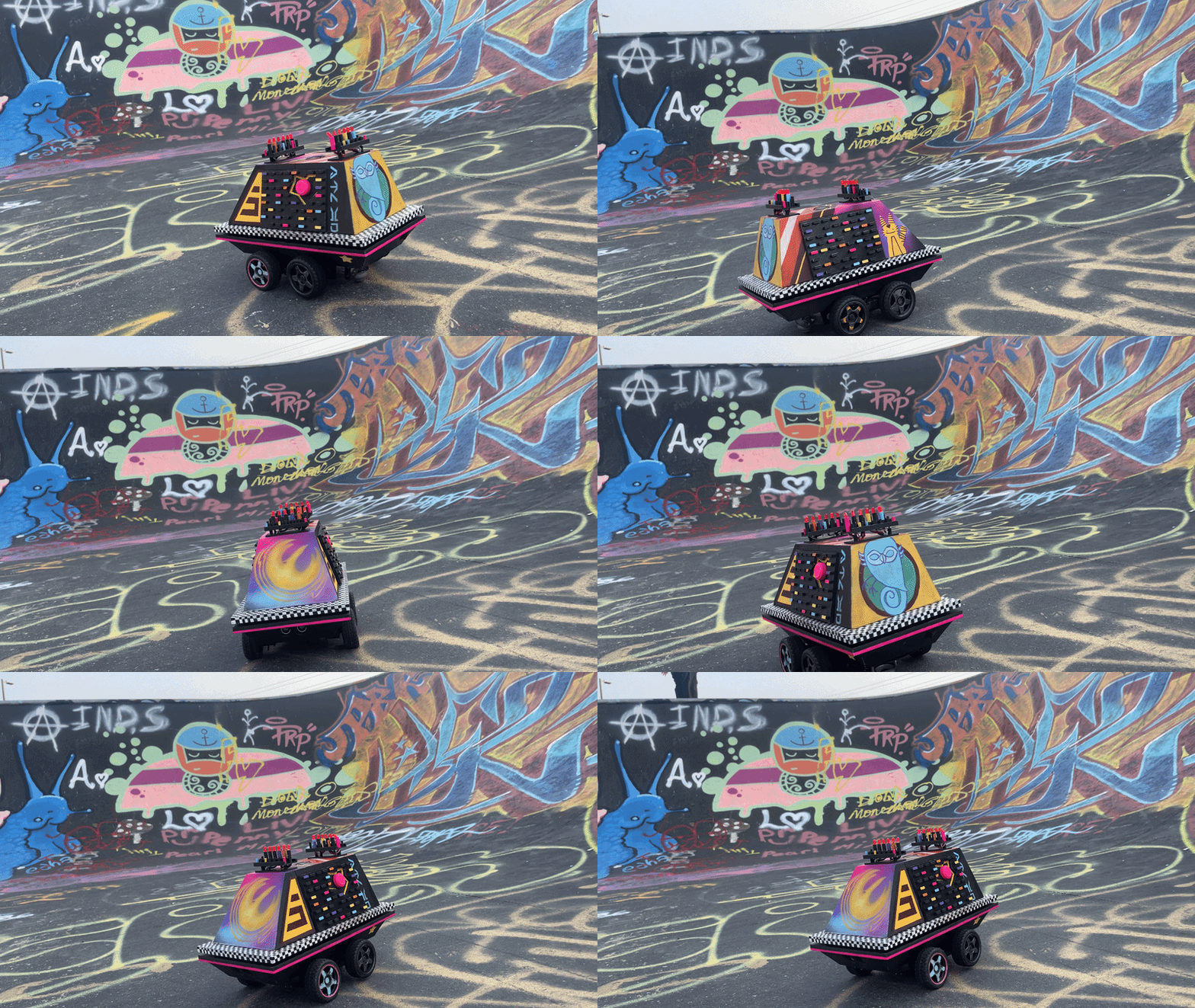
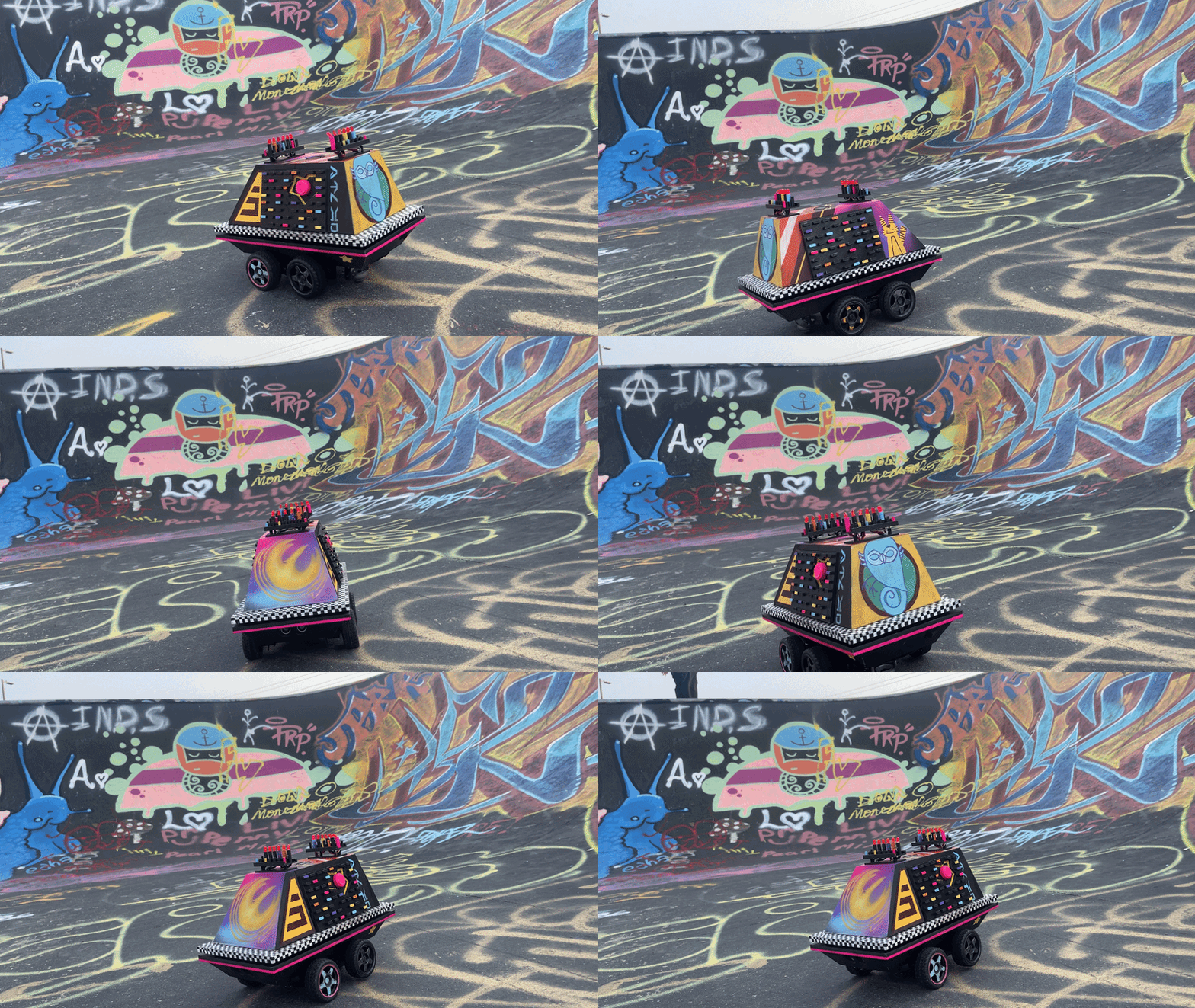
In a fusion of cinematic lore and modern hobbyist engineering, a Canadian maker known as Cass, operating under the moniker Chaos Theory, has successfully developed a fully autonomous, 3D-printed replica of the iconic Star Wars MSE-6 "Mouse Droid." This specific iteration, however, diverges significantly from the utilitarian, sleek black aesthetic associated with the Galactic Empire. Instead, the project serves as a creative tribute to Sabine Wren, the Mandalorian warrior and prolific graffiti artist from the animated series Star Wars Rebels. The resulting machine, dubbed a "Rebel Rave Machine," combines sophisticated robotics with a vibrant, counter-culture aesthetic, marking a significant achievement in the intersection of the "maker" movement and fan-driven engineering.
The Conceptual Fusion of Star Wars Eras
The MSE-6 series repair droid, colloquially known as the Mouse Droid, first appeared in the 1977 film Star Wars: Episode IV – A New Hope. Designed as a small, boxy robot on wheels, its primary functions within the Imperial Navy included delivering messages, guiding personnel through massive space stations, and performing minor maintenance tasks. Its distinctive chirping sound and tendency to flee from loud noises or Jedi protagonists made it a cult favorite among fans of the franchise.
Cass’s project takes this classic design and reimagines it through the lens of Sabine Wren. Wren is characterized by her use of vibrant colors and "Starbird" graffiti to mark her presence and defy Imperial authority. By applying this aesthetic to an Imperial droid, Cass has created a narrative piece of hardware—a robot that has ostensibly been captured, "liberated," and repurposed by the Rebellion to serve as a mobile party unit.
Technical Architecture and Engineering Specifications
The construction of the Rebel Rave Machine was not merely a cosmetic overhaul of an existing remote-controlled vehicle. It was a ground-up engineering project that prioritized autonomy and custom structural integrity. Cass utilized a combination of 3D printing, open-source hardware, and custom-designed chassis components to bring the droid to life.
Microcontroller and Audio Systems
The "brain" of the droid is an Arduino UNO, a widely used open-source microcontroller that manages the logic for movement, sensor integration, and peripheral triggers. To handle the "rave" aspect of the machine, Cass integrated a DFPlayer Mini MP3 module. This component allows the droid to store and play high-quality audio files, including the iconic chirps of a Mouse Droid and upbeat music tracks for its specialized "party mode."
Sensory Input and Autonomous Navigation
For the droid to operate without human intervention, it required a method of environmental perception. Cass implemented an HC-SR04 ultrasonic distance sensor. This sensor operates by emitting high-frequency sound waves and measuring the time it takes for the echoes to return, allowing the Arduino to calculate the distance to nearby obstacles. This data is processed in real-time, enabling the droid to navigate rooms, avoid collisions, and change direction autonomously.
Structural Design and 3D Printing
A significant portion of the project’s development was dedicated to the chassis. While Cass initially utilized a flat metal Mecanum chassis as a structural mounting point for the motors, the majority of the body is custom-designed and 3D-printed.
In a technical departure from standard hobbyist methods, Cass employed heat-set inserts to secure components. Unlike traditional screws that bite directly into plastic—which can lead to stripped threads and structural failure over time—heat-set inserts are brass nuts melted into the 3D-printed material. This creates a permanent, threaded metal hole, allowing for repeated assembly and disassembly without compromising the integrity of the plastic. This focus on durability highlights a professional approach to DIY robotics.
Development Chronology and Iterative Design
The development of the Rebel Rave Machine followed a structured engineering lifecycle, beginning with conceptual sketches and moving through several stages of prototyping.

- Phase I: Mechanical Foundation: The project began with the selection of the drivetrain. The use of a Mecanum-style base provided a sturdy starting point, though Cass has noted that future iterations will likely involve a fully custom-printed motor mounting system to reduce reliance on pre-made metal kits.
- Phase II: Electronic Integration: Following the mechanical setup, the Arduino UNO and ultrasonic sensors were wired and programmed. The primary challenge during this phase was refining the "obstacle avoidance" algorithm to ensure the droid did not become trapped in corners or stuck under furniture.
- Phase III: Custom Shell Design: Using Computer-Aided Design (CAD) software, Cass modeled the exterior shell to mimic the MSE-6 silhouette while ensuring it could house the internal electronics and battery packs.
- Phase IV: Aesthetic Application: The final stage involved the "Sabine Wren makeover." This required a complex paint job involving layering, stenciling, and weathering techniques to give the droid the appearance of a piece of equipment that had seen combat and artistic modification.
Operational Modes: Panic and Party
Beyond standard navigation, the Rebel Rave Machine features two distinct behavioral modes that add personality to the hardware.
- Panic Mode: Triggered by specific sensor inputs or environmental cues, this mode causes the droid to mimic the skittish behavior seen in the Star Wars films. It accelerates away from perceived threats while emitting high-pitched, frantic audio cues.
- Party Mode: This is the project’s signature feature. Upon activation, the droid ceases its standard patrol and initiates a sequence of rhythmic movements synchronized with music played through the DFPlayer Mini. This mode utilizes the droid’s mobility to create a "dancing" effect, effectively turning the utilitarian robot into a mobile entertainer.
The Maker Movement and Open-Source Impact
One of the most significant aspects of Cass’s project is its commitment to the open-source philosophy. By documenting the entire build process on platforms like Instructables and the Arduino Project Hub, Cass has provided a blueprint for other enthusiasts to follow.
The decision to design a custom 3D-printed chassis rather than modifying a specific RC car model was intentional. It increases the "replicability" of the project. In the hobbyist community, projects that rely on specific, discontinued toys or expensive specialized parts often become "dead" projects that others cannot build. By providing 3D files (STLs) and a standard bill of materials (BOM), Cass ensures that anyone with a 3D printer and an internet connection can manufacture their own version of the droid.
Broader Implications for Hobbyist Robotics
The Rebel Rave Machine is representative of a larger trend in the 21st-century maker movement. The democratization of tools like 3D printers and low-cost microcontrollers has shifted the landscape of hobbyist robotics from simple kits to sophisticated, bespoke creations.
According to industry data, the global 3D printing market is expected to grow at a compound annual growth rate (CAGR) of approximately 20% through 2030. This growth is driven largely by individuals and small-scale makers who are using the technology for "rapid prototyping" of artistic and functional projects. Furthermore, the accessibility of the Arduino ecosystem—which boasts millions of active users worldwide—has lowered the barrier to entry for complex programming.

Cass’s work demonstrates how these technologies allow fans to move beyond passive consumption of media. Instead of simply buying a licensed toy, makers are now capable of building high-fidelity, autonomous machines that often exceed the functionality of official merchandise.
Conclusion and Future Iterations
The Rebel Rave Machine stands as a testament to the creativity and technical proficiency found within the Star Wars fan community. By bridging the gap between two different eras of the franchise—the original trilogy and the Rebels series—Cass has created a unique piece of fan art that is also a functional robot.
Looking forward, Cass has expressed interest in a "Version 2" of the droid. Proposed improvements include eliminating the metal support chassis entirely in favor of a 100% 3D-printed structural frame and potentially upgrading the sensor suite to include infrared or LIDAR for even more precise navigation. As it stands, the current iteration remains a highly successful example of how modern engineering can breathe new life into classic cinematic designs, transforming a "toaster on wheels" into a symbol of rebel creativity.