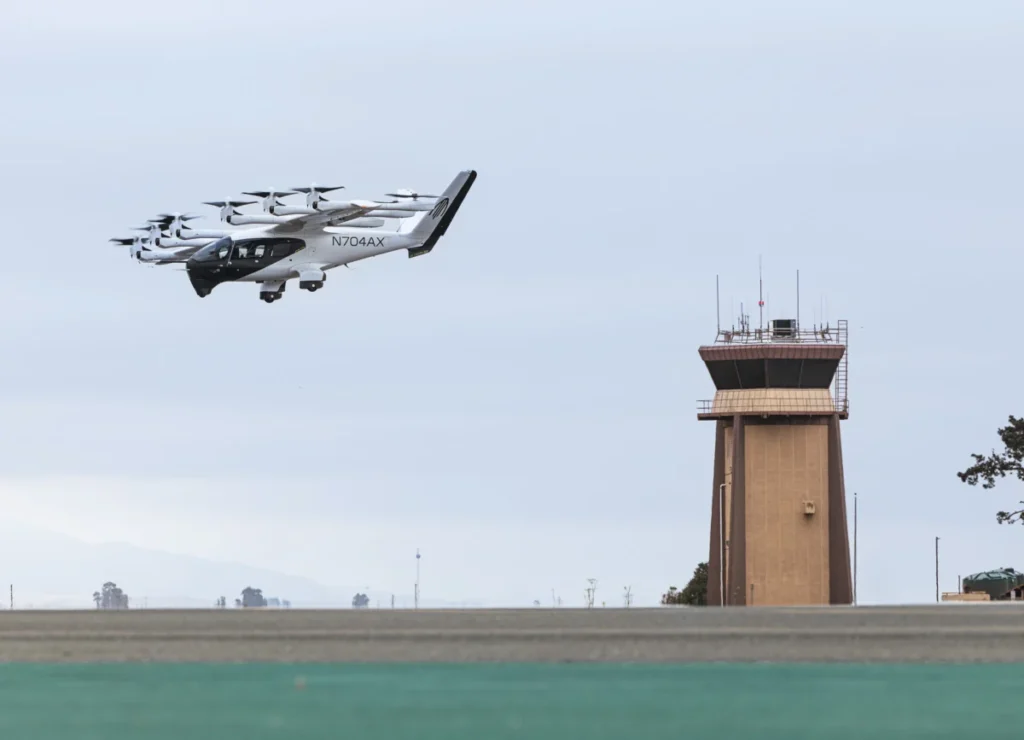
Archer Aviation is poised to significantly reshape its technological landscape and accelerate its path to market through the acquisition of three Boeing subsidiaries: Wisk Aero, Insitu, and SkyGrid. The deal, announced Monday, will see Archer integrate the advanced aircraft development and autonomous flight technologies of these entities, with a strategic focus on leveraging Wisk’s expertise in autonomous flight systems for future iterations of its own electric vertical takeoff and landing (eVTOL) aircraft. Archer CEO Adam Goldstein articulated this vision during a late Monday earnings call, emphasizing a phased approach to integrating Wisk’s capabilities.
The comprehensive agreement, the full financial terms of which remain undisclosed, signifies a pivotal moment for Archer Aviation, a company striving to be a leader in the burgeoning air taxi industry. The acquisition is slated for completion by the end of the current year, marking a significant consolidation of advanced aerospace technologies under one roof. This strategic move underscores Archer’s ambition to not only bring its Midnight passenger air taxi to market but also to broaden its scope into defense applications and further refine its autonomous flight capabilities.
Strategic Integration of Autonomous Technologies
Goldstein detailed Archer’s immediate objectives, which include securing FAA type certification for its flagship Midnight passenger air taxi. Concurrently, the company is actively engaged in developing the Thunder defense drone in collaboration with Anduril, and the commercial variant of its Halo aircraft. Both of these dual-use platforms were announced in July, highlighting Archer’s commitment to diversifying its product portfolio and addressing a wider range of aerospace needs.
A key benefit anticipated from the acquisition is the infusion of autonomous technology developed by Wisk, SkyGrid, and Insitu across all of Archer’s aircraft programs. Insitu, for instance, is renowned for its ScanEagle, a long-endurance, low-altitude military drone extensively used for surveillance and reconnaissance missions. The integration of such proven autonomous systems is expected to enhance the capabilities and operational efficiency of Archer’s future aircraft.
"The air taxi will always be core to our mission. And Midnight is well on its way," Goldstein stated during the earnings call. However, he outlined a strategic prioritization for the deployment of the newly acquired autonomous technologies. "We will deploy and harden the technology on Halo/Thunder first and fold it into future iterations of the air taxi when the FAA is ready to certify autonomy." This approach suggests a pragmatic strategy to mature the advanced autonomous systems on defense and commercial platforms before integrating them into the highly regulated passenger air taxi sector, where pilot requirements are currently paramount.
Contrasting Development Philosophies and Future Synergy
The distinction between Archer’s current Midnight design and Wisk’s advanced development is noteworthy. Midnight was initially conceived with an on-board pilot, a crucial factor for near-term certification and commercial operation. In contrast, Wisk has been actively testing and showcasing its largely autonomous Gen 6 design for several years. Goldstein’s remarks did not specifically reference the Gen 6 model during the call, nor was it prominently featured in the joint announcements from Archer and Boeing regarding the acquisition.
This difference in design philosophy reflects the distinct trajectories of the two companies prior to the acquisition. "Archer had been focused on finding the most efficient path to commercialization, while Wisk focused on autonomy and advanced flight controls," Goldstein explained. He highlighted that this divergence creates a "nice overlap" as well as "complementary aspects that make a lot of sense for these companies coming together." This synergy is expected to drive innovation, and an "exploratory period" will be dedicated to fully understanding and capitalizing on these combined strengths.
A Complex Precedent: Boeing’s Evolving Relationship with Archer and Wisk
The acquisition is not the first instance of collaboration or legal entanglement between Archer, Boeing, and Wisk. Wisk Aero was established in 2019 as a joint venture between Boeing and Kitty Hawk, a venture backed by Google co-founder Larry Page. Boeing assumed full ownership of Wisk in 2023 after buying out Kitty Hawk’s stake.
Significantly, Boeing already held an investment in Archer prior to this acquisition. This existing stake stemmed from a 2023 settlement that concluded a patent infringement lawsuit. In that legal dispute, Wisk had accused Archer of stealing trade secrets related to its autonomous flight technology. The settlement, therefore, represents a turning point, moving from adversarial proceedings to a potential for strategic partnership and technological integration.
Following the completion of the acquisition, Boeing is set to become a significant, albeit capped, shareholder in Archer Aviation. Regulatory filings with the U.S. Securities and Exchange Commission indicate that Boeing’s stake will be limited to a maximum of 19.75%. Furthermore, Boeing will possess options to acquire an additional $200 million in Archer stock, underscoring its commitment to Archer’s future success and its strategic interest in the eVTOL and autonomous flight sectors.
Market Context and Implications for the Advanced Air Mobility Sector
The acquisition of Wisk Aero by Archer Aviation arrives at a critical juncture for the Advanced Air Mobility (AAM) industry. This sector, encompassing eVTOL aircraft for passenger transport and drone technology for various applications, is experiencing rapid development, significant investment, and increasing regulatory scrutiny. Archer’s move to acquire established autonomous flight expertise from Boeing, particularly from Wisk, which has invested years in developing autonomous systems, could provide a substantial competitive advantage.
Supporting Data and Industry Trends:
- Market Growth Projections: The global AAM market is projected to grow substantially in the coming years. Various market research reports estimate the market to reach hundreds of billions of dollars by 2040-2050. For example, a report by Allied Market Research projected the global eVTOL aircraft market to reach $16.3 billion by 2030.
- Investment Landscape: The AAM sector has attracted significant venture capital and corporate investment. Companies are pouring billions into developing eVTOL prototypes, infrastructure, and operational models. Archer itself has secured substantial funding from various investors prior to this deal.
- Regulatory Milestones: The Federal Aviation Administration (FAA) and other global aviation authorities are actively developing frameworks for certifying and operating eVTOL aircraft and autonomous systems. The pathway to certification, especially for autonomous flight, remains a key challenge and determinant of market entry timelines. Archer’s stated intention to prioritize autonomous technology on defense platforms before integrating it into passenger air taxis aligns with the current regulatory landscape, which generally requires a pilot for commercial passenger operations.
Broader Implications of the Acquisition:
- Accelerated Technological Advancement: By consolidating Wisk’s advanced autonomous flight control systems and Insitu’s proven drone technology with Archer’s eVTOL design and certification expertise, the combined entity is positioned to accelerate the development and deployment of sophisticated autonomous capabilities.
- Diversification of Revenue Streams: The integration of defense drone technology from Insitu and potential future applications for Wisk’s autonomous systems could allow Archer to diversify its revenue streams beyond the air taxi market, mitigating risks and enhancing financial stability.
- Consolidation and Competition: This acquisition signals a trend towards consolidation within the AAM industry. As the market matures, companies are seeking to acquire critical technologies and expertise to gain a competitive edge. This deal could spur further M&A activity as other players seek to strengthen their technological portfolios.
- Boeing’s Strategic Pivot: For Boeing, this transaction represents a strategic divestment of its eVTOL development units while simultaneously deepening its stake in Archer. This allows Boeing to focus on its core commercial and defense aerospace businesses while maintaining a significant position in the emerging AAM market through its investment in Archer. The collaboration with SkyGrid, which focuses on AI-powered aviation software and airspace management, further aligns with Boeing’s broader ambitions in digital aviation and intelligent systems.
Analysis of the Deal’s Rationale:
The acquisition appears to be a calculated move by Archer to overcome existing technological hurdles and accelerate its commercialization timeline. Wisk’s extensive work on autonomous flight, while perhaps not yet fully aligned with near-term air taxi certification, represents a significant intellectual property and development asset. By acquiring Wisk, Archer gains access to this advanced research and development, which can be strategically deployed as regulatory frameworks evolve.
The inclusion of Insitu and SkyGrid diversifies Archer’s technological base. Insitu’s expertise in robust, operational military drones suggests a pathway for developing reliable and resilient autonomous systems. SkyGrid’s focus on AI and airspace management is crucial for the future integration of autonomous vehicles into complex air traffic systems.
The decision to prioritize the deployment of autonomous technology on the Halo/Thunder platforms before the Midnight air taxi is a pragmatic acknowledgment of current regulatory realities and certification pathways. The defense sector, with its often-different regulatory requirements and immediate demand for autonomous capabilities, provides a more immediate proving ground for these advanced systems. This phased approach allows Archer to de-risk the integration of autonomy into its passenger air taxi operations, ensuring that when the FAA is ready to certify pilotless air taxi flights, Archer will have mature and validated technology ready for deployment.
The lingering question regarding Wisk’s Gen 6 design and its specific autonomous features will likely be answered during the "exploratory period" mentioned by Goldstein. The success of this integration will hinge on Archer’s ability to effectively merge the distinct engineering cultures and technological stacks of these acquired entities with its own. The ultimate outcome of this transformative acquisition will be closely watched as a bellwether for the future of the advanced air mobility industry.