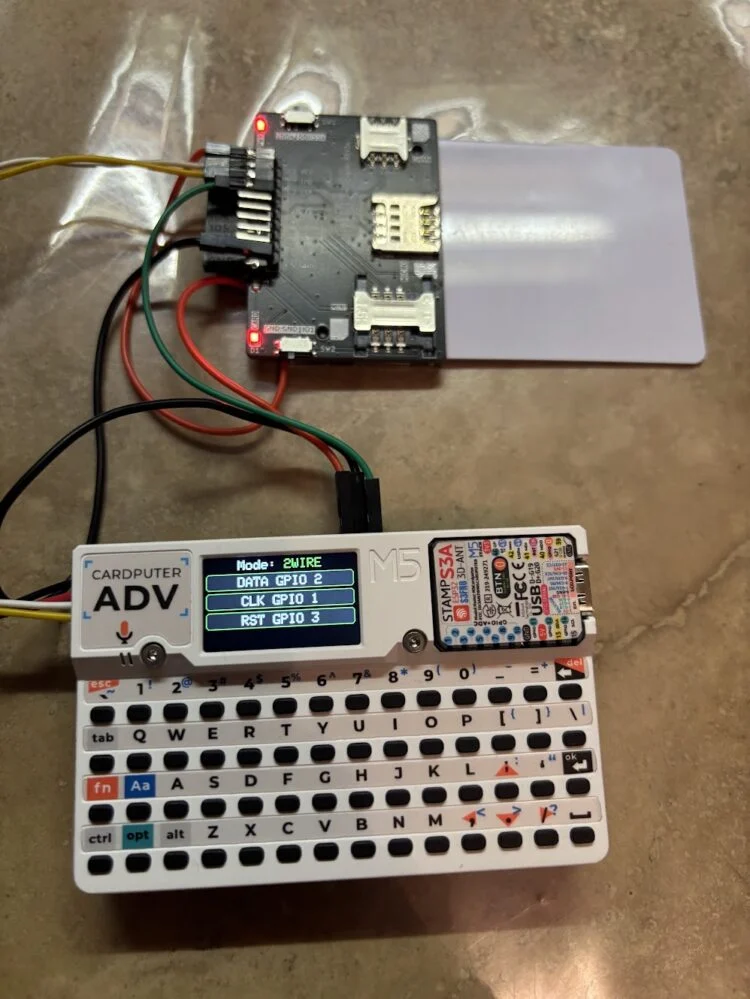
The primary objective of the ESP32 Bit Pirate is to bridge the gap between a computer and a raw electronic component. In traditional hardware development, testing a new sensor or communicating with a specific integrated circuit often requires writing a dedicated, one-off firmware to handle the specific protocol and data exchange. The Bit Pirate eliminates this friction by providing a universal interface that can send raw transactions, scan communication buses, and dump memory contents on the fly. This capability is particularly critical for reverse engineering, where the specifications of a device may be unknown or poorly documented.
Technical Foundation and Hardware Versatility
The ESP32 Bit Pirate is built primarily for the ESP32-S3, a powerful microcontroller from Espressif Systems that has become a staple in the modern electronics industry. The S3 variant is particularly well-suited for this application due to its high-speed USB peripheral support, ample GPIO (General Purpose Input/Output) pins, and efficient handling of complex protocols.
One of the most notable features of the Bit Pirate project is its compatibility with the M5Stack Cardputer. The Cardputer is a portable, keyboard-equipped development kit that integrates an ESP32-S3 with a small TFT screen and a built-in battery. When running the Bit Pirate firmware, the Cardputer becomes a fully self-contained hardware hacking station. This allows a user to perform bus scans, read I2C registers, or sniff UART traffic in the field without needing to carry a laptop or external power supply. For those without specialized hardware, the firmware also supports standard ESP32-S3 development kits, which can be interfaced through a serial terminal on a workstation.

Core Capabilities and Supported Protocols
The utility of a tool like the ESP32 Bit Pirate is measured by the breadth of protocols it can handle. Geo’s firmware is designed to be comprehensive, covering the most common communication standards used in modern electronics:
- I2C (Inter-Integrated Circuit): This is the most common protocol for connecting low-speed peripherals like sensors and EEPROMs. The Bit Pirate can perform "bus sniffing" to identify the addresses of connected devices and manually read or write to specific registers. This is invaluable for troubleshooting why a specific sensor is not responding to a main processor.
- SPI (Serial Peripheral Interface): Used for high-speed data transfer, such as interfacing with flash memory chips or LCD screens. The Bit Pirate allows users to dump the entire contents of an SPI flash chip, which is a common first step in firmware analysis and security auditing.
- UART (Universal Asynchronous Receiver-Transmitter): Standard serial communication. The tool can act as a bridge or a monitor for serial consoles, allowing users to see boot logs or enter debug commands on a target device.
- Infrared and Sub-GHz: Beyond wired connections, the Bit Pirate leverages the ESP32’s ability to handle wireless signals. This allows for the capture and replay of infrared remote control signals or the monitoring of low-frequency radio transmissions used in simple IoT devices and garage door openers.
The Evolution of Hardware Debugging Tools
To understand the impact of the ESP32 Bit Pirate, one must look at the history of the tools that preceded it. The original Bus Pirate, created by Ian Lesnet of Dangerous Prototypes in the late 2000s, revolutionized the maker movement. Before the Bus Pirate, interacting with a chip required expensive proprietary adapters or the tedious process of writing custom C code for a microcontroller every time a new part arrived in the mail.
The Bus Pirate provided a simple terminal interface where commands like "[ 0x50 r:1 ]" could be typed to read a byte from an I2C device. It was slow by modern standards, but it was reliable and open-source. Over the last decade, as microcontrollers have become faster and more integrated, the need for a modern successor grew. While there have been various iterations and "Pro" versions of the original hardware, the ESP32 Bit Pirate represents a shift toward software-defined hardware tools. By using a ubiquitous chip like the ESP32, the "hardware" part of the tool becomes almost free, as many engineers already have these boards in their drawers.
Chronology of Development and Community Integration
The development of the ESP32 Bit Pirate followed a trajectory common in the open-source community: the identification of a practical, recurring problem. Geo noted that during the development of various hardware projects, the lack of a quick, interactive tool for "probing" unknown devices was a consistent bottleneck.

Following the initial release of the firmware on GitHub, the project quickly gained traction among the "maker" community. The integration with the M5Stack ecosystem was a pivotal moment in the project’s timeline, as it transformed the software from a tethered utility into a portable instrument. The documentation has been a high priority for the project, with Geo ensuring that even those who are new to hardware debugging can follow the instructions to get the firmware running. This educational aspect is vital, as hardware debugging is often seen as a "black art" reserved for senior electrical engineers.
Impact on the "Right to Repair" and Security Auditing
The implications of the ESP32 Bit Pirate extend beyond the hobbyist’s workbench. In the context of the "Right to Repair" movement, tools that allow for the inspection of internal components are essential. When a consumer electronic device fails, it is often due to a single malfunctioning sensor or a corrupted memory chip. Manufacturers rarely provide the tools needed to diagnose these specific failures. A tool like the Bit Pirate allows independent repair technicians to query internal components and identify the root cause of a failure without official service manuals.
In the realm of cybersecurity, the ESP32 Bit Pirate serves as an entry-level platform for hardware penetration testing. Security researchers use such tools to find "debug headers" on consumer products—hidden ports that manufacturers leave on circuit boards for factory testing. By connecting a Bit Pirate to these headers, a researcher can often gain access to a root shell or extract sensitive encryption keys stored in flash memory. The portability of the Cardputer-based setup makes this type of "on-site" auditing much more discreet and efficient.
Expert Analysis and Future Prospects
Industry analysts note that the rise of projects like the ESP32 Bit Pirate reflects a broader trend toward the democratization of sophisticated engineering tools. As the cost of high-performance silicon drops, the value shifts from the hardware itself to the firmware and the user interface.
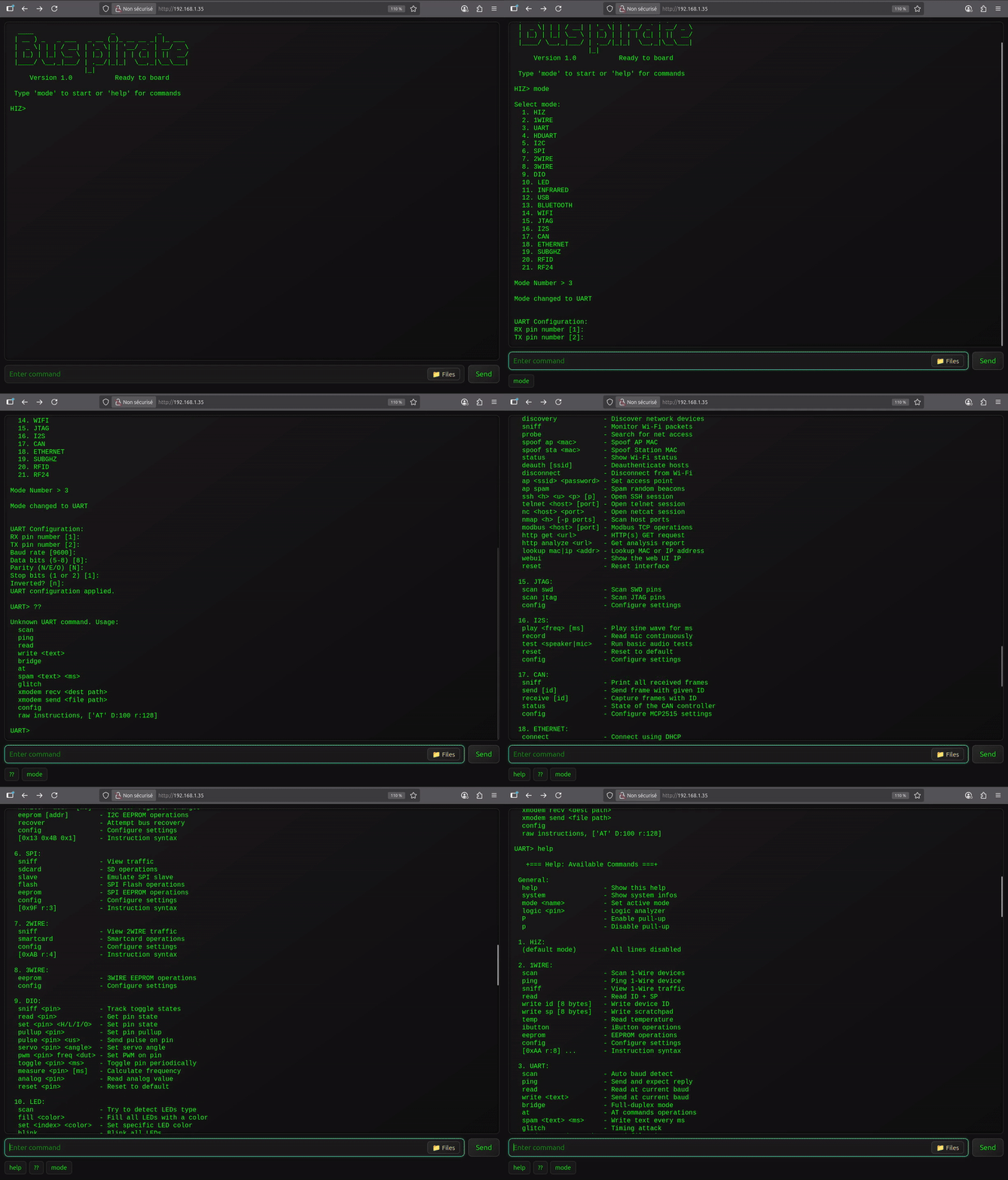
"The ESP32 Bit Pirate isn’t just about replacing a $30 cable," says one independent embedded systems consultant. "It’s about the workflow. When you can see a register map on a handheld screen while you’re probing a board with an oscilloscope, your ‘time-to-insight’ drops dramatically. That is the real value of these open-source initiatives."
Looking ahead, the project is expected to expand its protocol support. There is significant community interest in adding support for CAN bus (used in automotive applications) and 1-Wire protocols. Furthermore, as Espressif continues to release new chips, such as the ESP32-P4 which features even higher performance and more I/O, the capabilities of software-defined bench tools will only continue to grow.
The ESP32 Bit Pirate is currently available as an open-source project on GitHub. The repository includes the source code, pre-compiled binaries for various boards, and a comprehensive guide on how to use the various modes. By lowering the barrier to entry for hardware exploration, Geo has not only created a useful tool but has also provided a platform for the next generation of hardware hackers to learn the intricacies of the digital world.
Conclusion
In summary, the ESP32 Bit Pirate is a testament to the versatility of modern microcontrollers and the power of open-source development. By repurposing common hardware into a sophisticated diagnostic suite, it provides a cost-effective and highly capable alternative to traditional bench tools. Whether it is being used to fix a broken toy, reverse-engineer a proprietary protocol, or teach a student the basics of I2C communication, the Bit Pirate is poised to become a staple in the toolkit of anyone who works with electronics. Its success underscores a fundamental shift in the industry: the most powerful tools are no longer the most expensive ones, but the ones that are the most accessible.