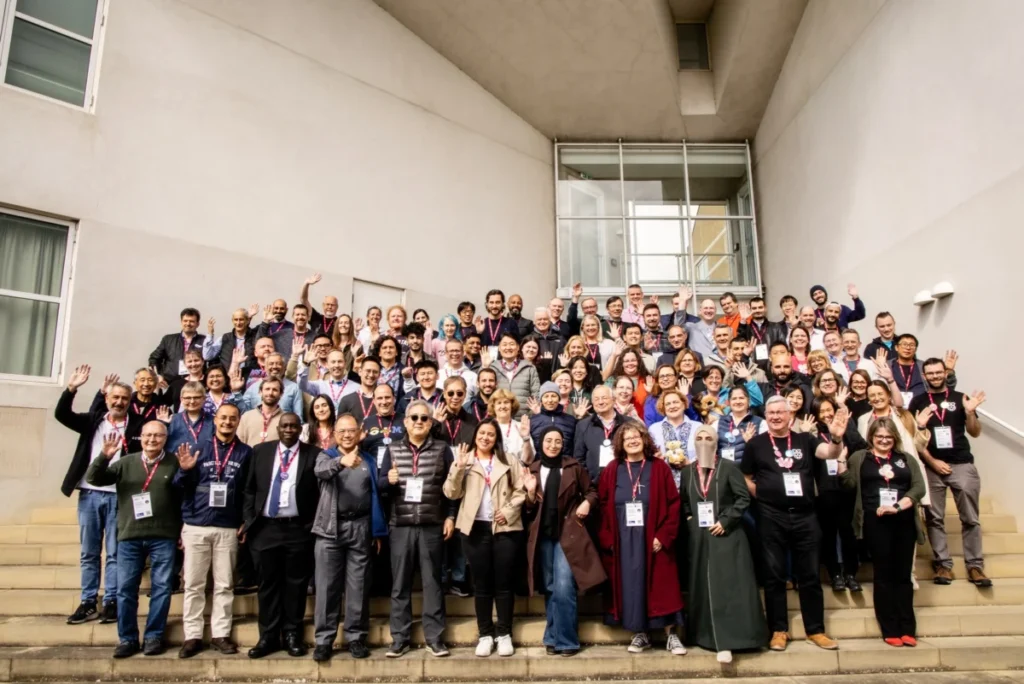
The historic city of Cambridge, England, recently served as the epicenter for international computer science education as the Raspberry Pi Foundation hosted the 22nd Bebras International Task Workshop. From May 10 to May 15, the event brought together 101 delegates from 61 countries at the Møller Institute to collaborate on the future of the Bebras Challenge, a global initiative designed to promote computational thinking among primary and secondary school students. As the official organizers of the UK Bebras Challenge, the Raspberry Pi Foundation facilitated a rigorous program aimed at reviewing, debating, and refining the tasks that millions of young learners will encounter in the coming years.
The workshop represents a critical pillar in the global educational calendar, ensuring that the puzzles presented to students every November are not only engaging but pedagogically sound. While the Bebras tasks often appear as playful, visual puzzles involving forest-dwelling characters and simple logic, they are the product of an intensive, high-level academic peer-review process. This year’s gathering was particularly significant, marking a continued expansion of the Bebras community and a renewed focus on making computational thinking accessible to students in diverse socio-economic environments.
A Rigorous Methodology for Task Selection and Refinement
The primary objective of the six-day workshop was the evaluation of 277 proposed tasks submitted by the international community. Over four days of intensive deliberation, delegates were divided into eight specialized working groups. These groups were tasked with examining every facet of the proposed challenges, including the clarity of the wording, the quality of illustrations, age-appropriateness, and accessibility. Most importantly, experts scrutinized the underlying computational thinking concepts to ensure they accurately reflected the principles of informatics.
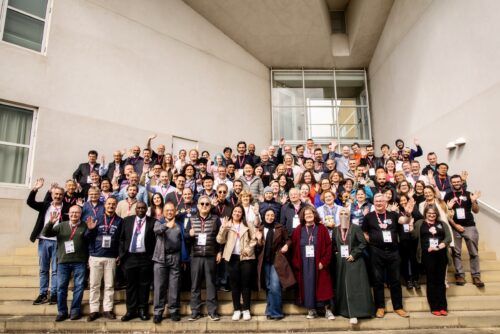
The review process is notoriously selective. Of the 277 submissions, which included four tasks developed by the UK team, 214 were eventually accepted after undergoing significant revisions. This vetting process ensures that the final "task pool" used by participating countries is of the highest quality. Alex Parry, a representative from the Raspberry Pi Foundation team, noted the intensity of these sessions, remarking on the remarkable effort of delegates who traveled from across the globe to engage in sometimes heated discussions regarding the wider implications of computational thinking and how best to represent it to children.
Each task is evaluated on its ability to promote specific cognitive skills, including logical reasoning, pattern recognition, abstraction, decomposition, and algorithmic thinking. By the end of the workshop, the accepted tasks were categorized and prepared for translation and adaptation into the various curricula of the 78 currently participating nations.
The Global Reach and Growth of the Bebras Movement
The Bebras Challenge, which takes its name from the Lithuanian word for "beaver," has seen exponential growth since its inception in 2004. What began as a local initiative in Lithuania by Professor Valentina Dagienė has evolved into a worldwide phenomenon. In 2025, more than 4 million students between the ages of 6 and 19 participated in the challenge globally. The United Kingdom remains one of the movement’s strongest hubs, with 526,000 participants recorded in the most recent cycle.
During the Cambridge workshop, the community’s growth was further solidified through the induction of several new member nations. The workshop welcomed ten new provisional members: Bolivia, Cameroon, Ecuador, Ghana, Hong Kong and Macao, Luxembourg, Mongolia, Palestine, Sri Lanka, and Tanzania. Furthermore, seven countries were elevated to full membership status following a vote by the existing assembly: Armenia, Colombia, Greece, Jamaica, Mexico, Paraguay, and Puerto Rico.
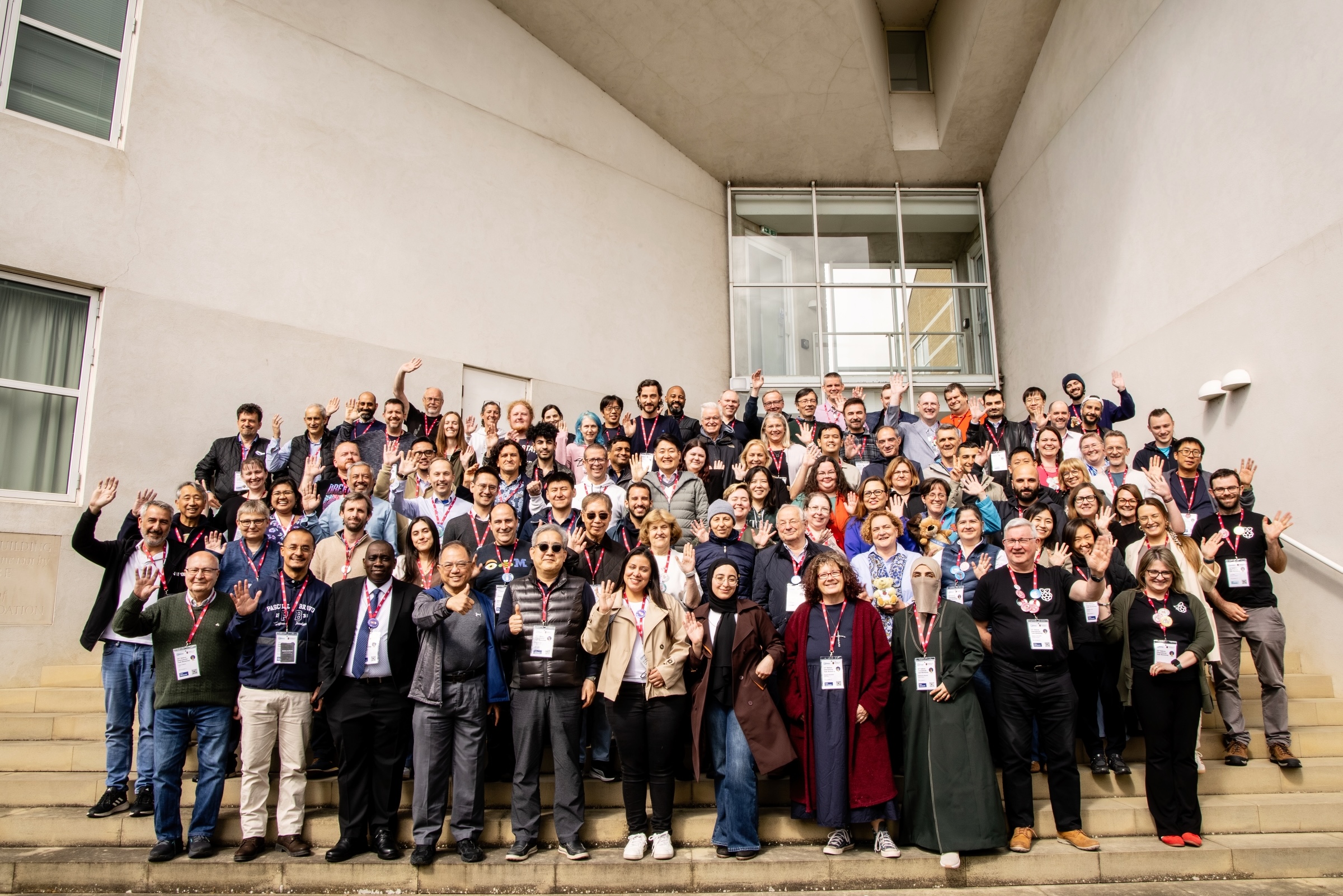
This expansion reflects a growing global consensus that computational thinking is a foundational literacy for the 21st century. By bringing together perspectives from different education systems—ranging from the highly digitized schools of Northern Europe to the resource-constrained environments of sub-Saharan Africa—the Bebras tasks become richer and more inclusive.
Bridging the Digital Divide: Computational Thinking Without Computers
One of the most profound takeaways from the workshop was the emphasis on "unplugged" computational thinking. While the Bebras Challenge is typically delivered as an online, automatically marked competition, many delegates shared innovative ways to implement these concepts in regions with limited internet connectivity or hardware access.
The "Bebras Marketplace," a showcase event held during the workshop, allowed countries to share resources and strategies for overcoming technical barriers. Delegates from Ghana, Jamaica, Mexico, and Sri Lanka discussed the implementation of paper-based versions of the challenge to ensure equity for students in rural or underfunded schools. Mexico, in particular, presented ongoing work to optimize the challenge for smartphones, recognizing that mobile devices are often the primary point of internet access for families in developing economies.
Other nations demonstrated how they are extending the impact of Bebras beyond the annual competition fortnight. Armenia has produced dedicated Bebras books, while Brazil publishes a Bebras magazine to keep students engaged year-round. Indonesia is currently developing teacher training resources that integrate computational thinking into all subjects, and Lithuania is utilizing hands-on physical games to teach computing concepts.
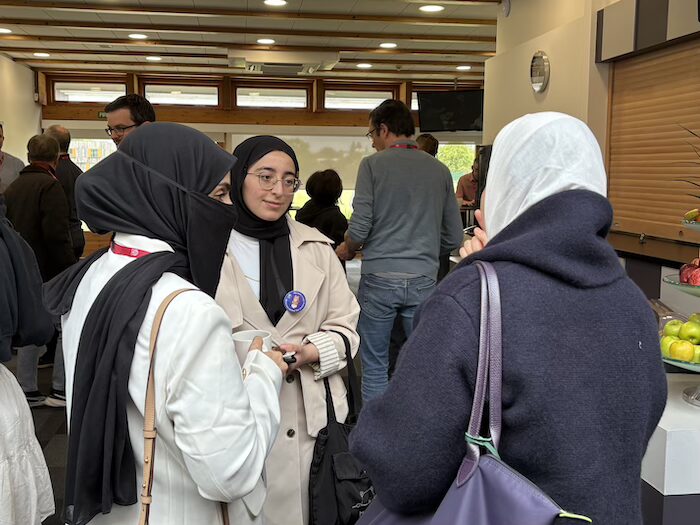
These initiatives underscore the philosophy that computational thinking does not strictly require a computer or programming skills. Instead, it is a method of problem-solving that can be explored through storytelling, puzzles, and teamwork. Laura Kirsop, Chief Technology and Product Officer at the Raspberry Pi Foundation, highlighted this in her keynote address, explaining how Bebras tasks have been integrated into other educational products, such as the "Escape Room: The Jungle Awakens" resource for Code Clubs, which supports learning in environments with access limitations.
Strategic Implications and Educational Impact
The success of the 22nd Bebras International Task Workshop in Cambridge highlights the vital role of international collaboration in educational reform. By standardizing the quality of computational thinking tasks, the Bebras community provides teachers with a turnkey solution for introducing complex concepts in a way that is non-intimidating for both students and educators.
From a pedagogical standpoint, the Bebras approach addresses a common gap in traditional education. While many curricula focus on digital literacy (the ability to use tools) or computer science (the ability to build tools), Bebras focuses on the cognitive middle ground. It teaches students how to structure their thoughts to solve problems in a way that a computer could eventually execute. This skill set is increasingly viewed as transferable to fields as diverse as biology, linguistics, and economics.
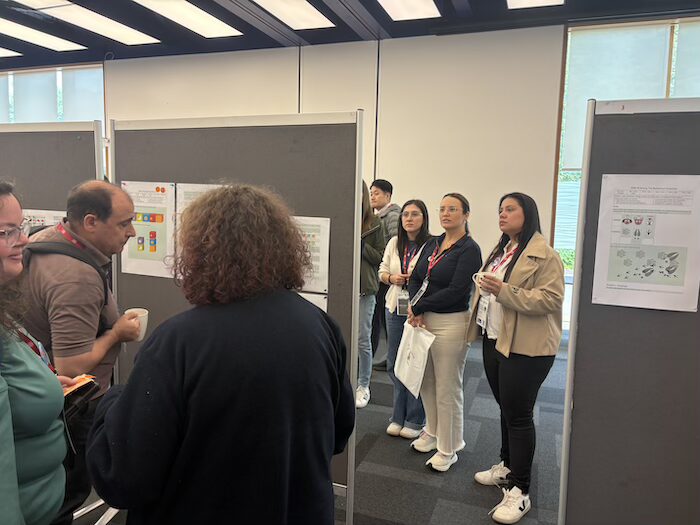
The feedback from the delegates suggested that the Cambridge event was a benchmark for future workshops. Participants praised the planning and execution, as well as the technological infrastructure provided by the Møller Institute. Despite the rigorous work schedule, the event fostered a sense of community that is essential for the long-term sustainability of the volunteer-driven global network.
Chronology and Future Outlook
The conclusion of the Cambridge workshop marks the beginning of the preparation phase for the 2026 Bebras cycle. However, more immediate challenges lie ahead. The Raspberry Pi Foundation is currently collaborating with Bebras teams from Australia, Ireland, Canada, and the USA to finalize the tasks for the upcoming UK Bebras Challenge, scheduled to take place between November 8 and November 20.
The timeline for the global community is as follows:
- May 2026: Completion of the 22nd International Task Workshop in Cambridge.
- June – August 2026: Translation and localization of accepted tasks by national coordinators.
- September 2026: Registration opens for educators in participating countries.
- November 2026: The official Bebras Challenge weeks take place globally.
- May 2027: The 23rd Bebras International Task Workshop is scheduled to be held in Uruguay, marking a significant move to South America to further the initiative’s reach in the Southern Hemisphere.
As the educational landscape continues to grapple with the rise of artificial intelligence and the increasing automation of the workforce, the work conducted at the Bebras International Task Workshop becomes more relevant. By fostering a global generation of problem-solvers who can think logically and algorithmically, the Bebras community is building a foundation for future innovation that transcends borders and technological barriers. Educators in the UK and abroad are encouraged to engage with past tasks and register for the upcoming November challenge to provide their students with a gateway into the world of informatics.