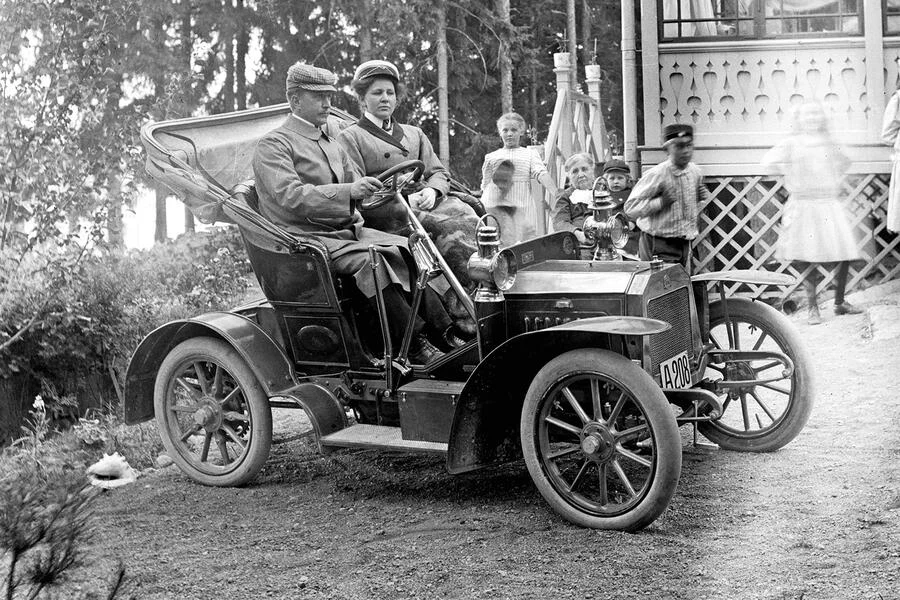
The story of Peugeot’s entry into the automotive world is not merely one of innovation and engineering prowess, but also a fascinating narrative of familial division, strategic maneuvering, and the eventual triumph of a singular vision. At its core lies a pivotal decision to liquidate assets and focus on a nascent industry, a move that irrevocably altered the course of one of France’s most enduring industrial dynasties. The directive was stark: "Efforts will be made to liquidate as best as possible the equipment, patents, goods in production and supplies. Consequently, from this moment on, not the slightest expenditure shall be incurred other than those indispensable to the stated objective of liquidation." This declaration, issued at a time of significant transition, marked the beginning of a new chapter for a branch of the Peugeot family, one that would see them pivot from established markets to embrace the revolutionary potential of the automobile.
The Seeds of Division and a New Direction
The year is 1896. The Peugeot Frères company, a long-standing and successful enterprise primarily known for its bicycle manufacturing, found itself at a crossroads. While bicycle sales were robust, soaring past 9,000 units annually, and the burgeoning automobile market was yet to reach significant traction, a conservative faction within the family held sway. This group favored the proven profitability of their existing ventures, viewing the horseless carriage with a degree of skepticism. However, one member of the Peugeot lineage, Armand Peugeot, harbored a different vision. He recognized the transformative power of the automobile and was unwilling to be constrained by the prevailing caution.
Armand, a man with an entrepreneurial spirit and a keen eye for future trends, made a decisive move. He promptly exited the family firm, leveraging his familial name and the iconic lion logo, to establish his own independent entity: Société Anonyme des Automobiles Peugeot. This ambitious venture was granted permission to utilize the esteemed Peugeot name and its distinctive lion emblem, but with a crucial stipulation that would define the initial operational boundaries between the two branches of the family. The agreement dictated that Armand’s new automobile company would be prohibited from producing anything with a saddle, a clear nod to the bicycle manufacturing that would remain with Le Fils de Peugeot Frères. Conversely, the original firm would be barred from manufacturing anything featuring a bench seat, implicitly conceding the automotive domain to Armand. This intricate division, while seemingly peculiar by modern standards, was a pragmatic solution to navigate the delicate familial and business relationships of the era.
The Audincourt Triumph and Unforeseen Synergies
The tangible manifestation of Armand’s ambition took shape with the inauguration of a new factory in Audincourt in April 1897. This state-of-the-art facility, a testament to his forward-thinking approach, immediately generated approximately 400 jobs, injecting vitality into the local economy. The demand for Peugeot automobiles, however, proved to be far greater than initial projections. The factory was rapidly expanded, a testament to its success, as market demand outstripped supply by a staggering four to one. This overwhelming response underscored the prescience of Armand’s vision and the inherent appeal of the automobile.
Interestingly, the strict division established between the two Peugeot entities appears to have been less clearly demarcated in the public consciousness. The public, it seems, did not fully grasp or perhaps even acknowledge the nuanced separation of their manufacturing operations. This lack of popular distinction became evident in a striking instance in 1899. When workers at the Valentigney plant, presumably affiliated with Le Fils de Peugeot Frères and engaged in bicycle or motorcycle production, went on strike following the dismissal of a foreman for alleged "misbehavior," their counterparts at the Audincourt automobile factory walked out in solidarity. This act of empathy and shared grievance suggests a deeper, more interconnected workforce or a collective identity that transcended the corporate divisions. It highlighted that despite the legal and contractual barriers, a sense of shared heritage and community persisted.
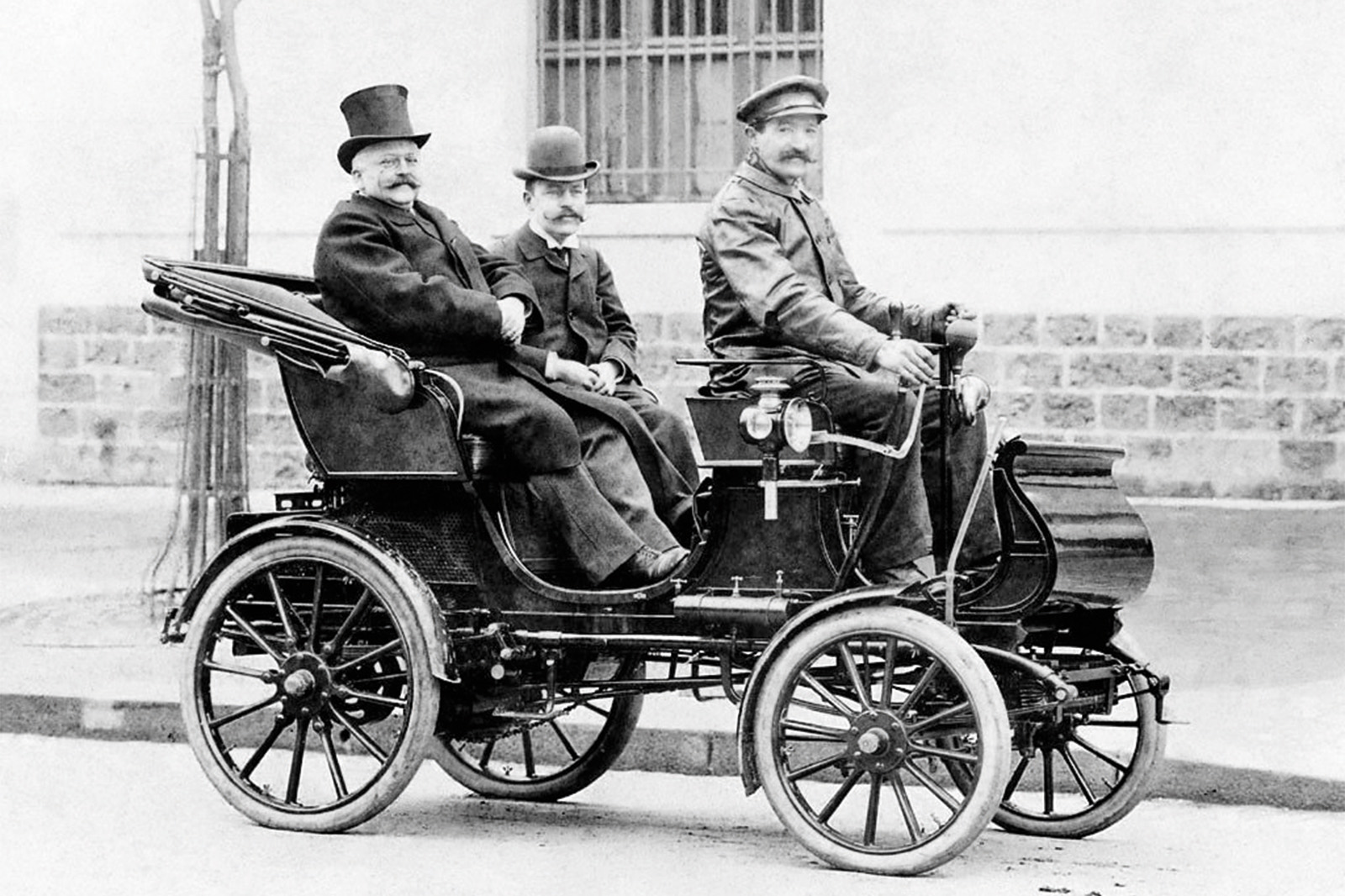
Shifting Fortunes and a Strategic Reintegration
As Armand’s automobile company flourished, experiencing exponential growth and solidifying its position in the nascent automotive industry, the other branch of the Peugeot family began to experience a different trajectory. The successors of Eugène Peugeot, who had retired, found themselves grappling with diminishing profit margins on their bicycle production. Furthermore, their foray into manufacturing new motorcycles was not meeting their anticipated sales targets. This financial pressure and strategic divergence led them to reconsider their initial agreement with Armand.
Facing a more competitive market and the economic realities of their traditional businesses, Eugène’s successors approached Armand with a proposition. They sought to dissolve the non-competition clause that had been a cornerstone of their separation. The price for this concession was significant: F300,000, a substantial sum in the late 19th century, reflecting the perceived value of freeing themselves from the automotive market’s constraints and Armand’s potential dominance within it.
The ensuing negotiations were protracted and complex. Lawyers on both sides engaged in detailed discussions, meticulously dissecting the specifics of which types of automobiles and branding would be permissible under a revised agreement. The nuances of intellectual property, market segmentation, and future product development were all brought to bear. Ultimately, however, Armand, recognizing the strategic advantages of a unified brand and potentially a broader market appeal, accepted the proposal. This reconciliation, born out of economic necessity for one side and strategic foresight for the other, paved the way for a more integrated Peugeot presence in the burgeoning automotive landscape.
The Broader Implications and Legacy
The strategic decision to liquidate assets and focus on automobile manufacturing by Armand Peugeot was a pivotal moment that not only shaped the future of the Peugeot brand but also contributed significantly to the early development of the automotive industry in France. The rapid expansion of the Audincourt factory and the overwhelming market demand validated Armand’s bold vision and his ability to identify and capitalize on emerging technological trends.
The familial dispute, while seemingly a footnote in the grander narrative of industrial progress, offers valuable insights into the dynamics of business succession, familial entrepreneurship, and the challenges of adapting to disruptive innovations. The story of Peugeot’s bifurcation and subsequent partial reintegration serves as a compelling case study in how economic pressures and strategic foresight can lead to the renegotiation of even the most firmly established agreements.
The success of Société Anonyme des Automobiles Peugeot, fueled by this initial focused investment and Armand’s leadership, eventually led to the consolidation of the Peugeot automotive interests. The legacy of this period is evident in the enduring global presence of the Peugeot marque, a testament to the resilience and adaptability of its founding principles. The initial conservative stance of the family firm, while understandable in its context, was ultimately overcome by the pioneering spirit of one individual, whose commitment to the automobile laid the foundation for an automotive empire. The subsequent reunification, driven by changing market conditions and strategic reassessment, further cemented the brand’s trajectory towards becoming a major player in the global automotive arena. The early 20th century would see Peugeot evolve from this complex familial arrangement into a unified force, capable of competing with and influencing the direction of automotive innovation for decades to come. The "liquidation" of certain assets, therefore, was not an end, but a calculated and ultimately successful beginning for a significant part of the Peugeot industrial story.