
In a world where watches are often named after geographical locations, esteemed individuals, or even the fauna that inspired their creators during serene fishing expeditions, the Ollech & Wajs Early Bird stands apart. This timepiece draws its moniker not from earthly origins or wildlife, but from a pioneering satellite, a testament to human ingenuity and a symbol of a rapidly evolving global connectivity. The author’s profound admiration for this unique watch is evident, culminating in the personal acquisition of its re-edition, a decision underscoring the model’s exceptional appeal.

This fascination with Ollech & Wajs, a venerable Swiss watchmaking brand, is not new. The brand’s legacy, particularly its robust 1,000-meter-rated dive watches and its contemporary offerings, has been a subject of deep exploration. Among its modern reinterpretations, the C-1000 A, a faithful revival of a 1960s icon, has garnered significant praise. Its yellow-dial variant has also received considerable attention. These models, along with the Early Bird, represent some of the brand’s most compelling releases to date, blending historical significance with modern horological craftsmanship.
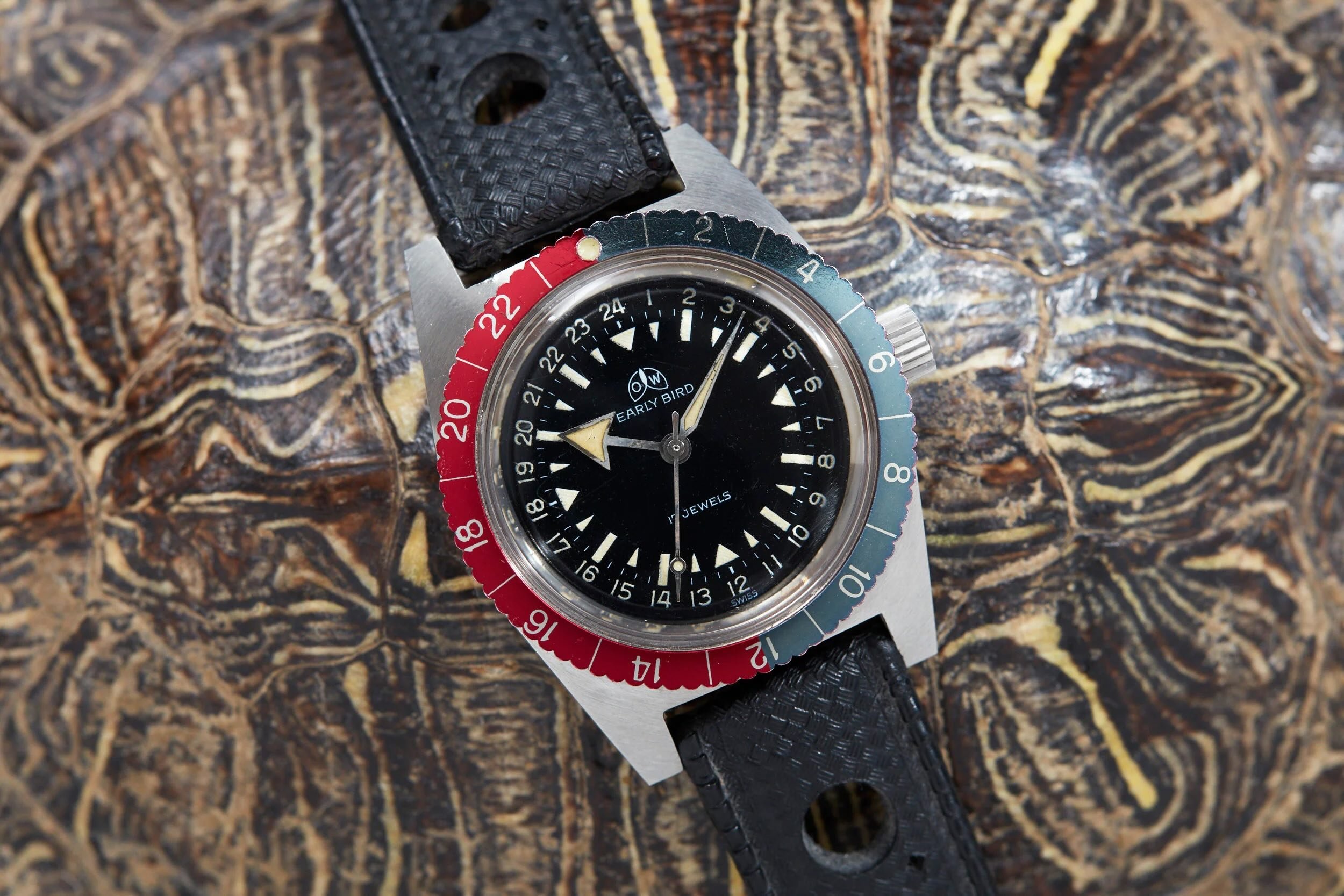
The narrative behind the Ollech & Wajs Early Bird is as captivating as its design. The watch’s inspiration stems from a pivotal piece of Cold War-era space hardware: the Intelsat I satellite, affectionately nicknamed "Early Bird." While this satellite may not be a household name for many, its groundbreaking four-year tenure in geosynchronous orbit fundamentally reshaped global telecommunications. To truly appreciate the Early Bird watch on one’s wrist, a deeper understanding of its celestial namesake is essential.
A Satellite’s Ascent and a Watch’s Genesis
The genesis of the Early Bird satellite dates back to April 1965, when the Hughes Space and Communications Company successfully launched Intelsat I into geosynchronous orbit, positioned approximately 22,300 miles above the Earth’s equator. This marked a historic achievement as the world’s first commercial satellite to attain such an orbit. For nearly four years, the Early Bird served as a vital conduit, facilitating transatlantic telephone calls, television broadcasts, and fax transmissions that had previously relied on the slow and vulnerable undersea cable network.
This satellite played a crucial role in disseminating major global events to a wider audience. In December of that same year, it beamed the dramatic splashdown of Gemini 6A directly into American living rooms, offering a real-time connection to the unfolding space race. By the time of its decommissioning, the Early Bird had also carried the world’s television feed of the monumental Apollo 11 Moon landing, a moment that captivated humanity.
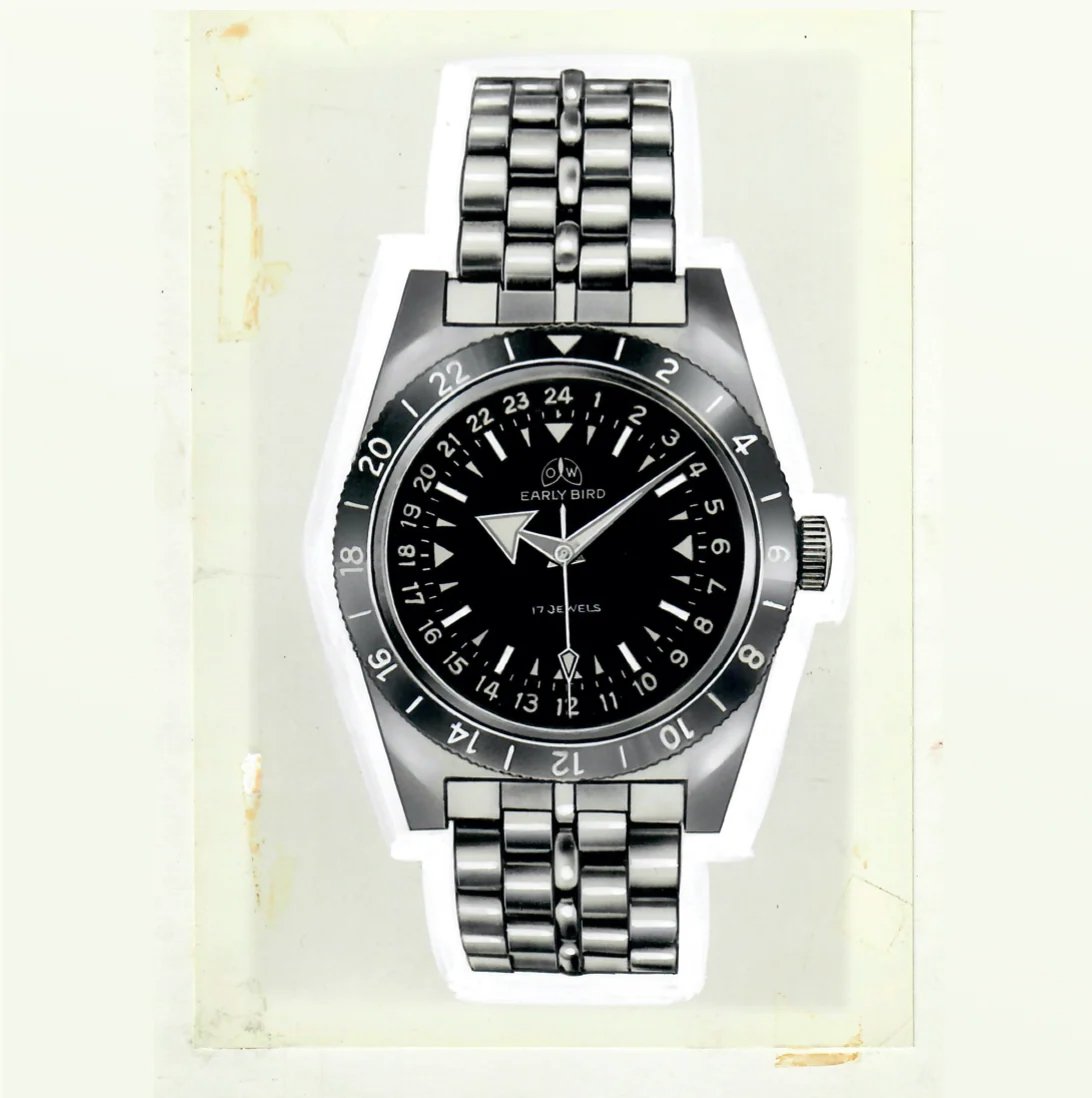
It was during this era of rapid technological advancement and global interconnectedness that Ollech & Wajs, a Zurich-based brand established in 1956 by Albert Wajs and Joseph Ollech, took notice. From its inception, the company had cultivated a reputation for producing exceptionally durable watches, prioritizing resilience and functionality over mere aesthetic appeal. Their watches were engineered to withstand demanding environments, a characteristic that would later be reflected in the robust design of the Early Bird.
The 24-Hour Dial: A Functional Echo of Orbit
The Ollech & Wajs Early Bird emerged as a unique and ingeniously designed tool watch. Mirroring the functionality of other notable timepieces of the era, such as the Glycine Airman, the Early Bird featured a 24-hour dial. This configuration, favored by military personnel and professionals requiring unambiguous timekeeping, ensured that the hour hand completed a single revolution every 24 hours, rather than the standard two. This design choice was a subtle yet profound nod to the satellite’s own 24-hour orbital cycle, creating a thematic resonance between the watch and its namesake.
Encased in a compact 38mm steel case, the original Early Bird boasted a water resistance rating of 200 meters, making it suitable for a range of demanding activities. Powering this robust timepiece was the hand-wound FHF caliber 72, a reliable movement featuring 17 jewels. The combination of its legible 24-hour display and durable construction made it an indispensable tool for those who operated in environments where precision and reliability were paramount.
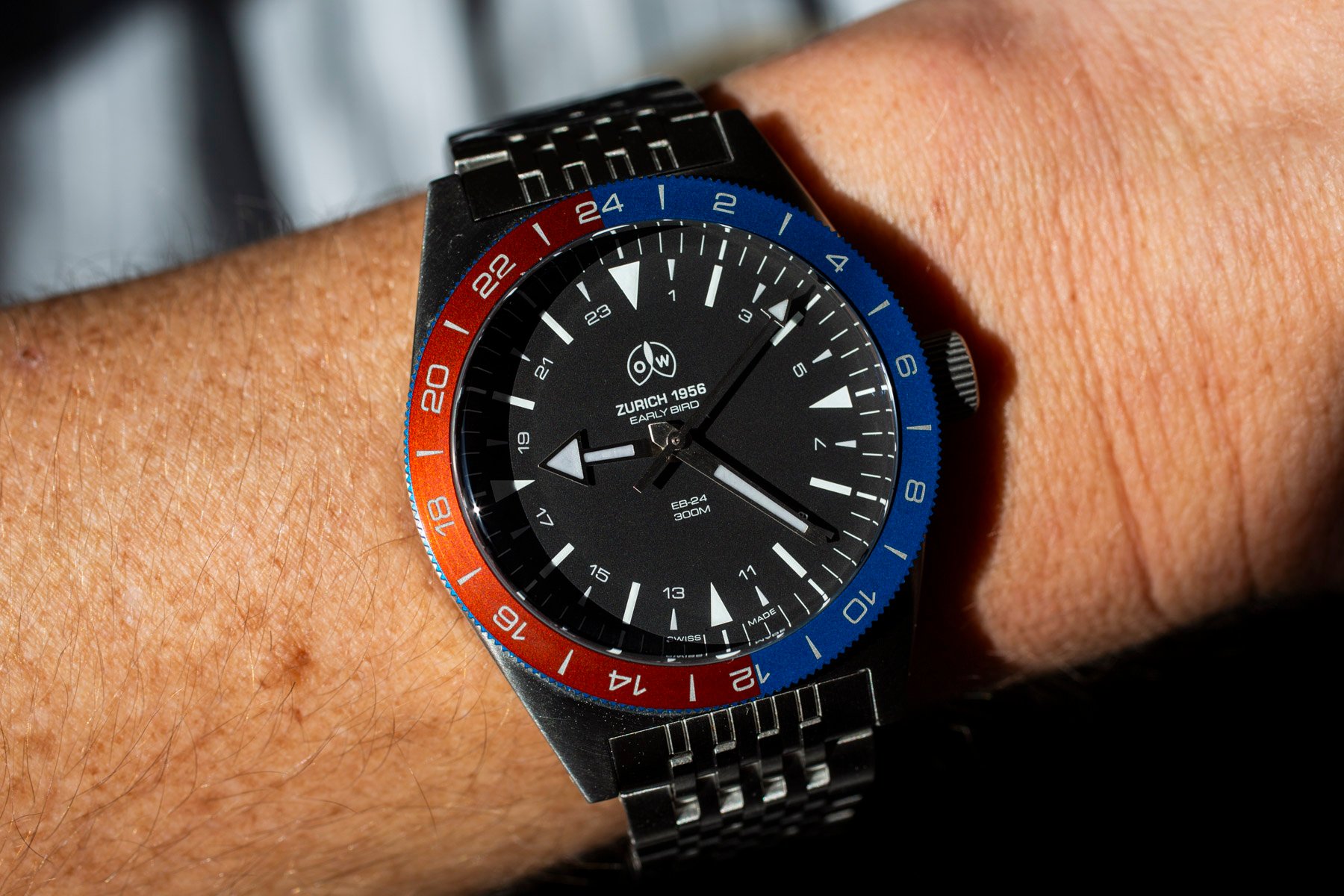
A distinctive feature of the Early Bird was its bidirectional bezel, which was ingeniously split into two colors: blue and red. While this color scheme might evoke associations with the iconic Rolex GMT-Master "Pepsi," the inspiration for the Early Bird’s bezel was entirely different. The blue and red segments directly referenced the livery of the Early Bird satellite itself. Furthermore, the color split on the watch’s bezel demarcated the 12-hour period from 12 AM to 12 PM, a functional distinction from the GMT-Master’s day-and-night split at 6 AM and 6 PM. This unique design, rooted in the satellite’s visual identity, set the Early Bird apart as a distinct horological creation.
A Watch Sold Unseen: The Vietnam Era Connection
The distribution strategy for the original Ollech & Wajs Early Bird was as unconventional as its naming. These watches were not typically found gracing the windows of high-end retailers. Instead, they were primarily ordered sight unseen through classified advertisements in publications like the Army Times and Stars and Stripes. This direct-to-consumer model was particularly relevant for American pilots and radio operators stationed in Vietnam during the conflict.
These servicemen sought a watch with a 24-hour dial for its practical utility. The Early Bird offered this essential feature, along with a strikingly colorful bezel whose vibrancy may not have been fully captured in the grainy newspaper advertisements. It is estimated that Ollech & Wajs produced no more than 500 examples of the original Early Bird. Remarkably, Albert Wajs himself reportedly considered the Early Bird to be his favorite watch among the extensive catalog produced by OW throughout its history. This personal endorsement from a key figure within the brand speaks volumes about the watch’s significance.
The Modern Reinterpretation: The Early Bird EB-24
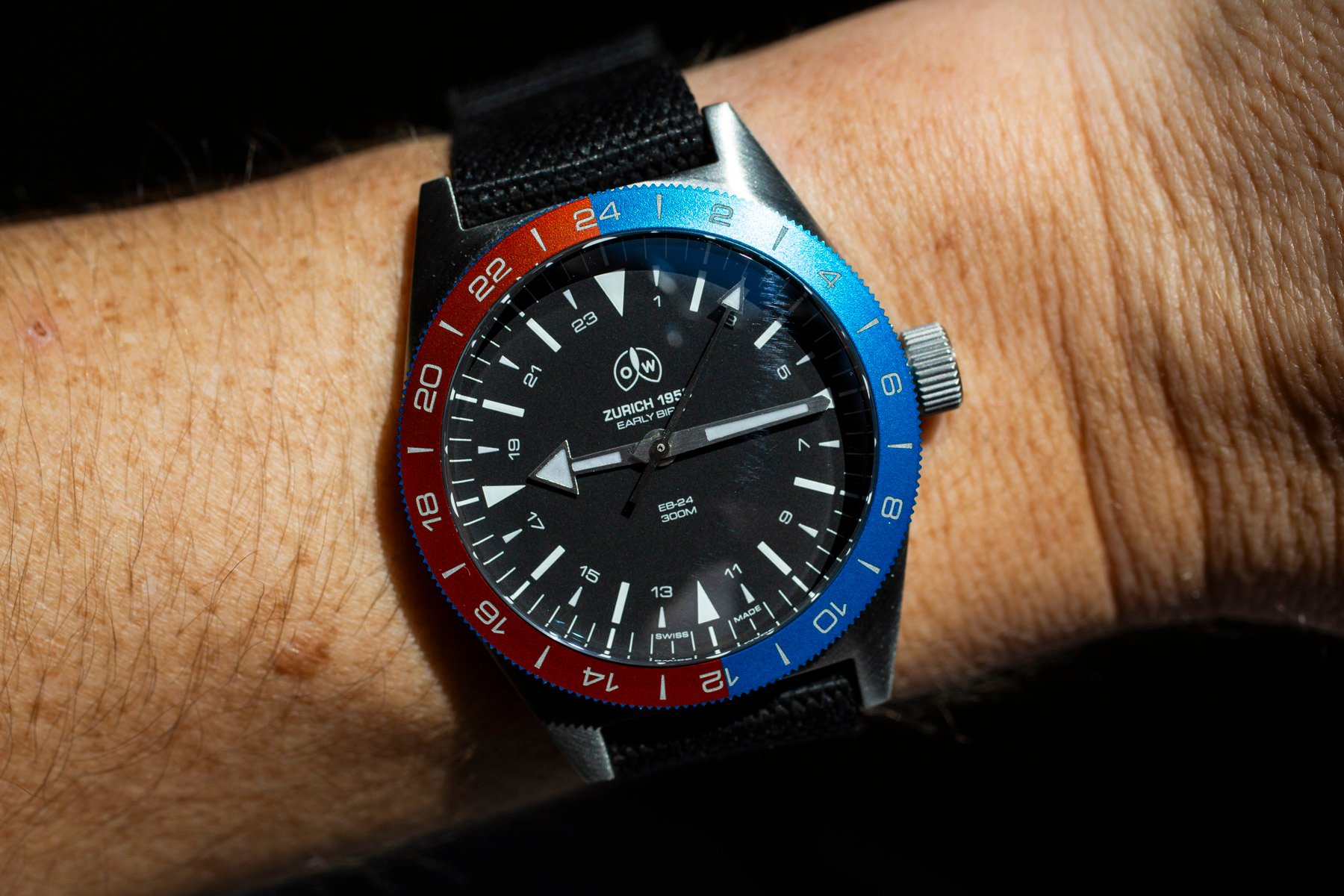
In celebration of its 70th anniversary, Ollech & Wajs embarked on a journey through its seven decades of archives to identify a heritage model worthy of revival. The choice, perhaps predictably given its historical significance and Albert Wajs’s personal fondness, fell upon the Early Bird. Now more than six decades since its initial release, the watch has been resurrected under the OW banner, with designs still originating in Zurich and hand-assembly taking place in the Swiss Jura region. The re-edition has been christened the Early Bird EB-24.
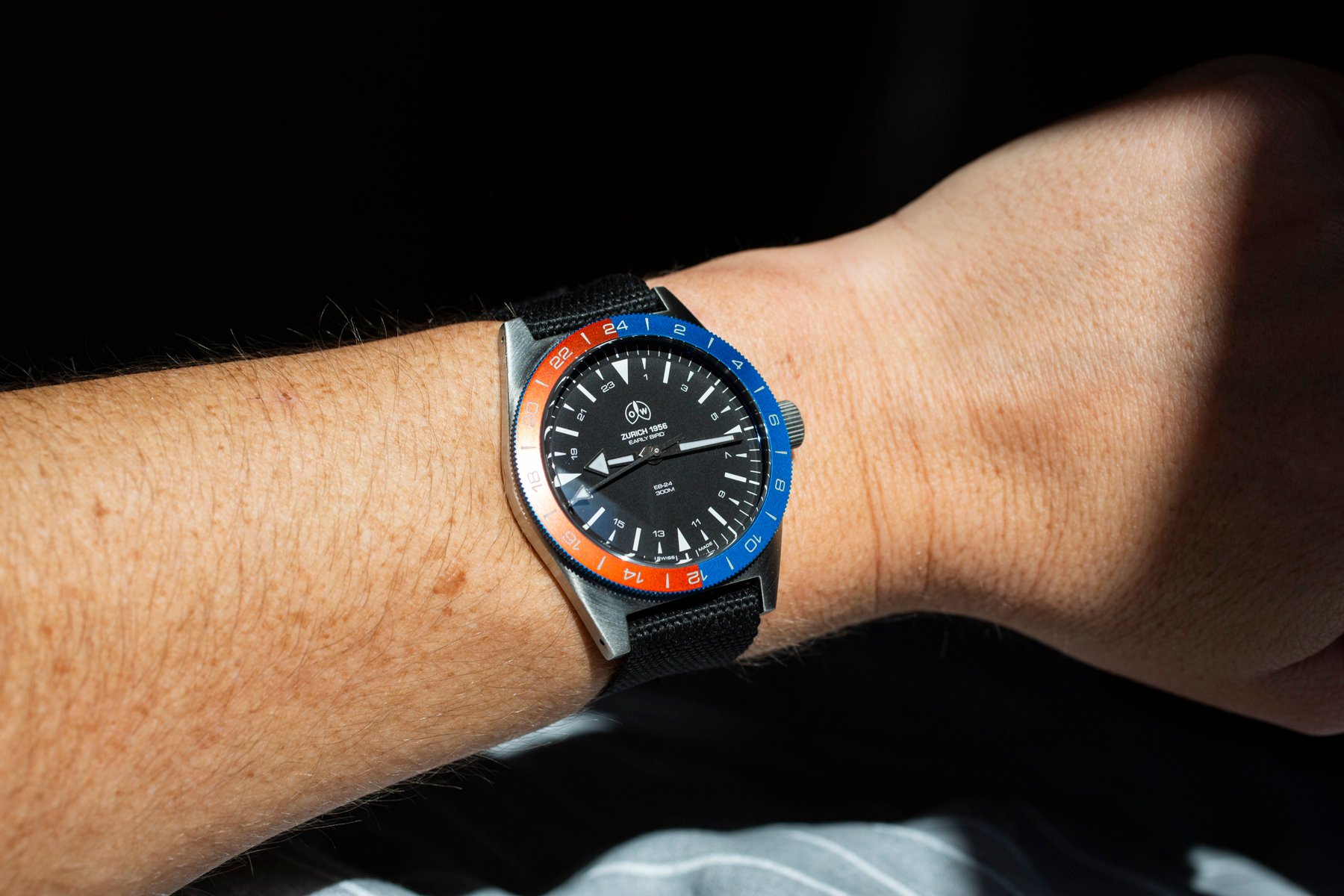
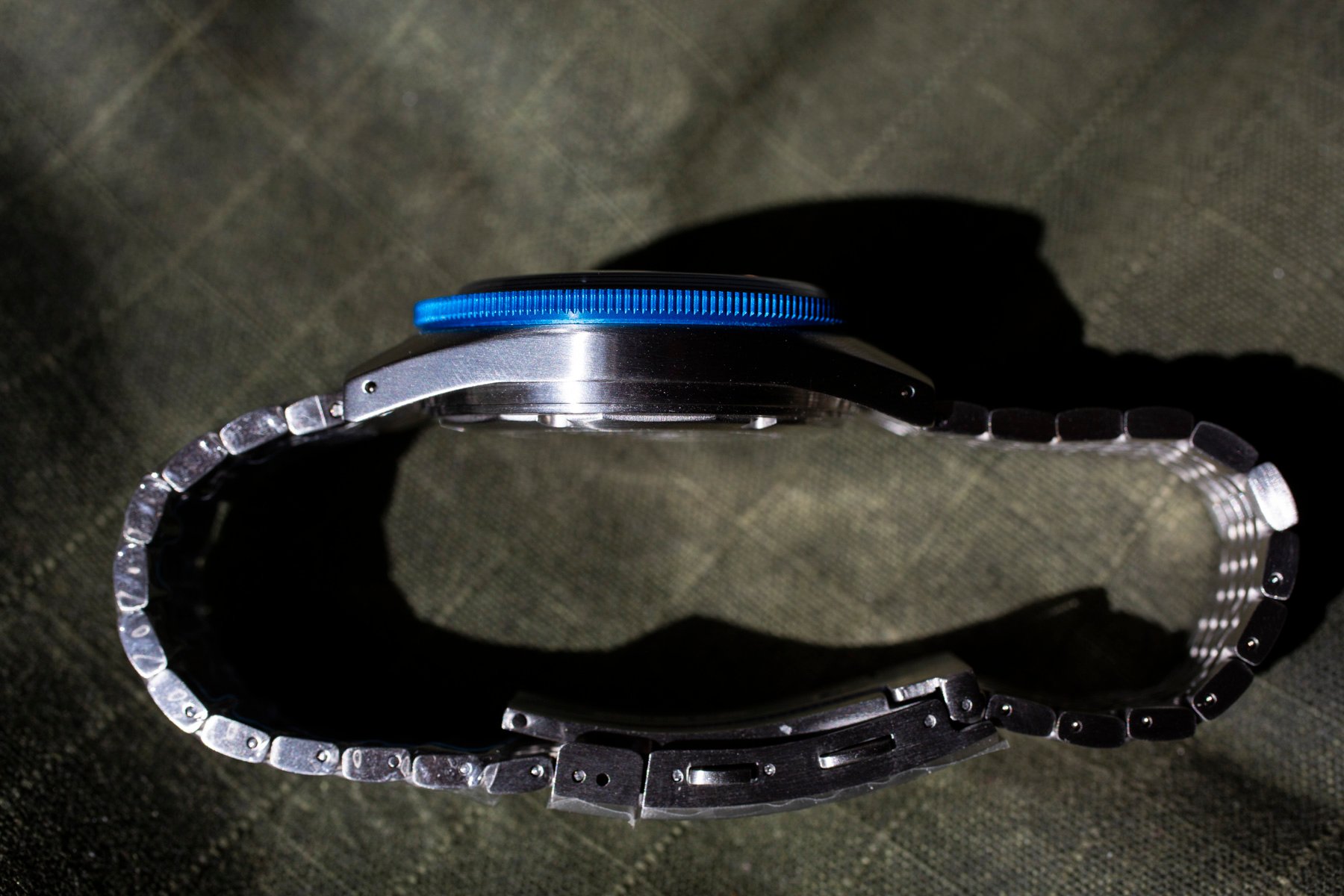
The dimensions of the EB-24 have been thoughtfully increased, though kept within sensible contemporary proportions. With a diameter of 39.5mm, a lug-to-lug measurement of 48mm, and a slim profile of 12.5mm, the case strikes a balance between modern tool-watch aesthetics and historical fidelity, avoiding the pitfalls of oversized homage designs. Notably, the case architecture is not unique to the EB-24; it is also utilized in OW’s existing line of pilot’s watches, forming the foundation for models such as the M-52B AF.
The water resistance has also seen a significant upgrade from the original 200 meters to a more robust 300 meters (30 ATM). While this level of water resistance may exceed the needs of many owners, it provides a reassuring margin of safety for a watch designed with durability in mind.
The Heart of the Matter: A New Movement
A pivotal enhancement in the EB-24 is found beneath the dial. While the vintage Early Bird was powered by the manually wound FHF 72, the new EB-24 incorporates an automatic Soprod C125 movement. This specific movement was chosen over the P024, which typically powers the brand’s pilot line, because the C125 is a genuine 24-hour movement. This means the hour hand makes a single revolution per day, a feature that is integral to the Early Bird’s identity, rather than simply printing 24-hour numerals on a standard dial.
The Soprod C125 offers a power reserve of 42 hours, an improvement of four hours over the P024’s 38-hour reserve. It operates at a frequency of 4 Hz and boasts an accuracy rating of ±7 seconds per day. The movement is further enhanced by a bespoke rotor, signed "OW Zurich 1956," visible through the solid steel case back, a subtle yet elegant touch that connects the modern watch to its heritage.
A deliberate and appreciated design choice in the EB-24 is the omission of a date window. This decision preserves the dial’s clean, uninterrupted aesthetic, which is particularly well-suited to a watch with such a strong dial-forward character. Intriguingly, the crown position retains a ghost date aperture, a subtle echo of potential functionality. The sapphire crystal is treated with an anti-glare coating, a significant improvement over the original, and the dial markers are filled with white Super-LumiNova. This ensures that while the vintage piece is legible, the modern EB-24 offers excellent readability in low-light conditions. The author attests to the exceptional quality of the lume on this modern reinterpretation, describing it as the most impressive among all the Ollech & Wajs watches experienced to date.
The Verdict on the Early Bird EB-24: A Harmonious Blend of Past and Present
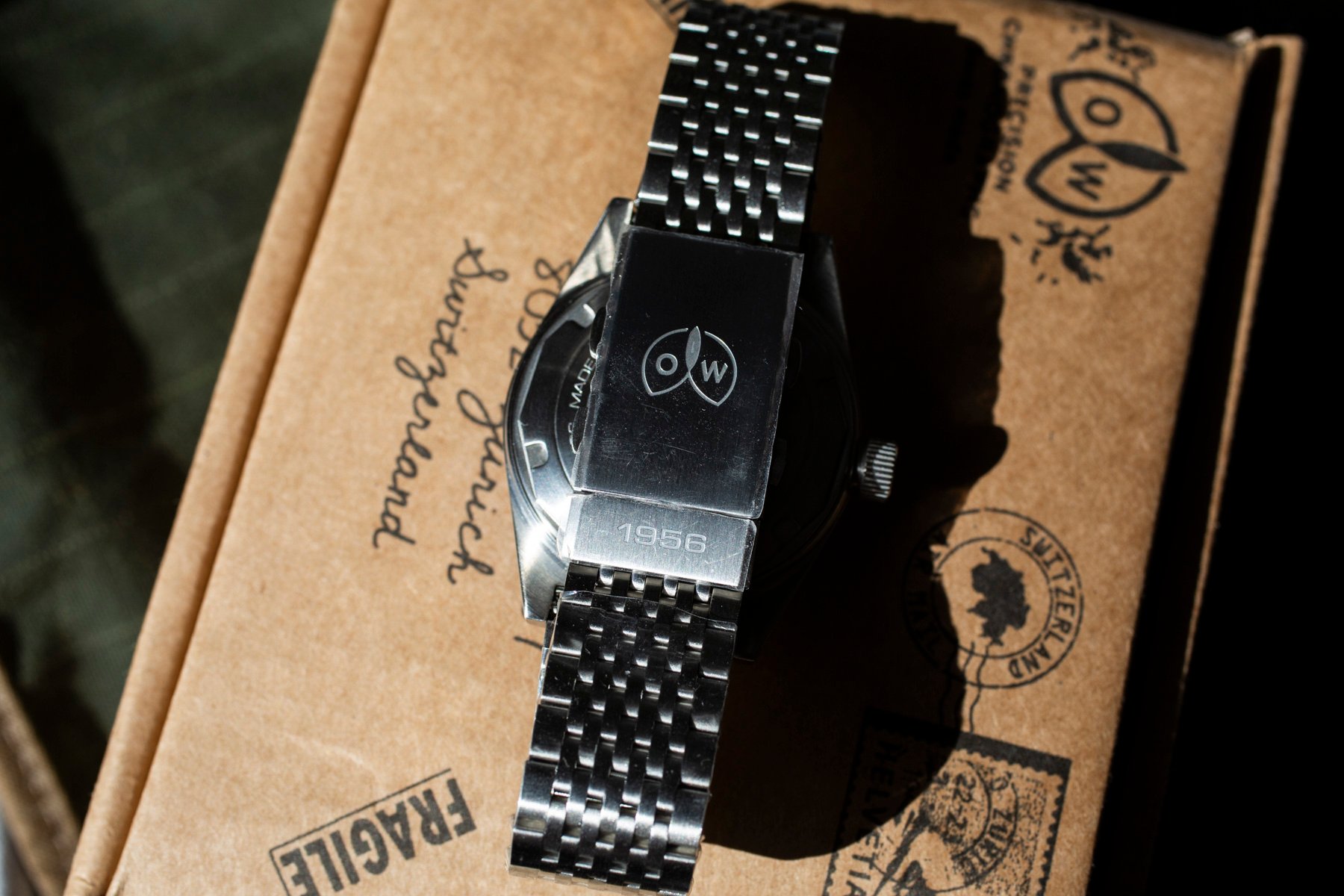
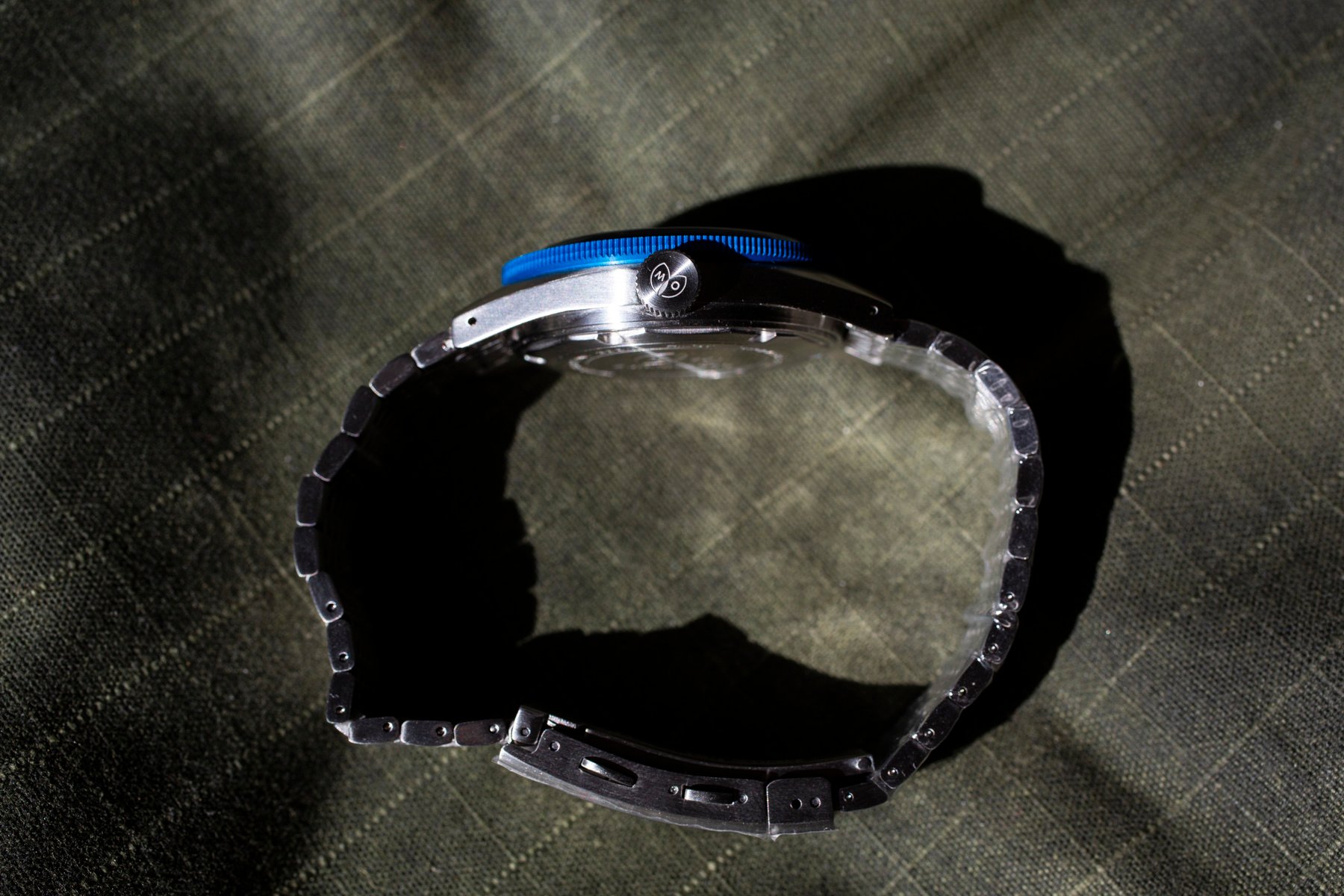
Ollech & Wajs has demonstrated remarkable restraint and wisdom in preserving the distinctive elements that define the Early Bird. The signature bicolor blue-and-red aluminum bezel remains, faithfully executing its bidirectional, dual-time-zone function. The watch is presented on a 20mm black Italian leather-and-linen strap, complete with a thorn buckle bearing the "OWZ 1956" signature. An optional OW-engraved M-Link steel bracelet is also available. The bracelet, which accompanied the review unit, is aesthetically pleasing, comfortable, and features a high-quality clasp with a ratcheting extension. While the use of pins for bracelet adjustment might be less preferred by some than screws, individual preferences may vary. Nevertheless, the author notes a personal inclination towards pairing the watch with a NATO strap, a testament to its versatility.
The Early Bird EB-24 retails for CHF 1,956, a price point deliberately chosen to commemorate the brand’s founding year of 1956. This thoughtful detail was further emphasized by the watch’s launch at 19:56 CEST. This subtle, almost playful nod to its heritage exemplifies a brand that prioritizes engineering integrity over overt marketing. The pricing positions the watch competitively within the Swiss-made automatic segment, especially considering its sophisticated movement and distinctive design. The cost is perceived as fair, reflecting the watch’s historical significance, compelling design, impressive specifications, and overall quality.

Concluding Thoughts: A Satellite’s Legacy on the Wrist
The new Early Bird EB-24 masterfully succeeds in honoring the brand’s heritage while incorporating meaningful contemporary updates. It would have been easy for Ollech & Wajs to overcomplicate this revival, perhaps by introducing gimmick dials or relying heavily on a space-race marketing narrative. Instead, the brand has crafted a superb reimagining of the original Early Bird, a watch that embodies the quirky and bold design language of the 1960s. This release stands out as a strong offering from the brand, recommended for anyone seeking a timepiece with this particular 24-hour calibration.
The fit and finish of the Early Bird EB-24 are exemplary. Six decades after a satellite the size of a beach ball revolutionized global communication, the watch named in its honor continues to resonate. The author’s personal acquisition of the watch underscores its appeal, driven by the captivating 24-hour sweep of the hour hand and the overall ambiance that seamlessly blends 1960s aesthetics with modern refinements. This Ollech & Wajs release is a compelling testament to the enduring power of inspired design and thoughtful engineering, a true listening to the legacy of a satellite that changed the world.