The world’s premier watch exhibition, Watches & Wonders 2026, has concluded, leaving enthusiasts and industry insiders abuzz with the latest trends and innovations shaping the horological landscape. Held annually in Geneva, this prestigious event serves as the ultimate barometer for what’s next in luxury timekeeping, drawing together heritage brands and emerging names to unveil their most significant creations. This year’s exhibition underscored a fascinating blend of respect for the past and a bold embrace of technological advancement, offering a clear vision of the industry’s direction.
Vintage Reverberations: A Resurgence of Timeless Design
A dominant theme resonating through Watches & Wonders 2026 was the enduring allure of vintage-inspired watchmaking. This trend, which has steadily gained momentum over the past two decades, shows no signs of abating. Contemporary collections are deeply indebted to the design philosophies of earlier eras, with brands strategically leveraging historical archives to inform their latest offerings. The enduring appeal of these retro aesthetics lies in their inherent elegance, proven functionality, and the nostalgic connection they evoke.
This year’s exhibition saw several landmark anniversaries celebrated with dedicated collections, further bolstering the vintage trend. Notably, 2026 marks the centenary of Rolex’s pioneering Oyster waterproof watch case, a revolutionary innovation introduced in 1926 that fundamentally changed watchmaking. To commemorate this milestone, Rolex unveiled a series of Oyster Perpetual models that pay homage to the spirit of their predecessors. Among these is the Oyster Perpetual 41, presented in a striking two-tone steel and yellow gold configuration. This model subtly yet significantly bears the inscription "100 years" in place of the traditional "Swiss made" marking, a discreet nod to its heritage. Another highlight is the Oyster Perpetual 36, distinguished by its "Jubilee" dial, which features a repeating "Rolex" inscription, a design element harkening back to earlier models. The Oyster Perpetual 34 and Oyster Perpetual 28 models also introduced a novel touch with three applied indexes crafted from green jasper, a first for the brand, further enhancing their vintage character while retaining the "Swiss made" designation.
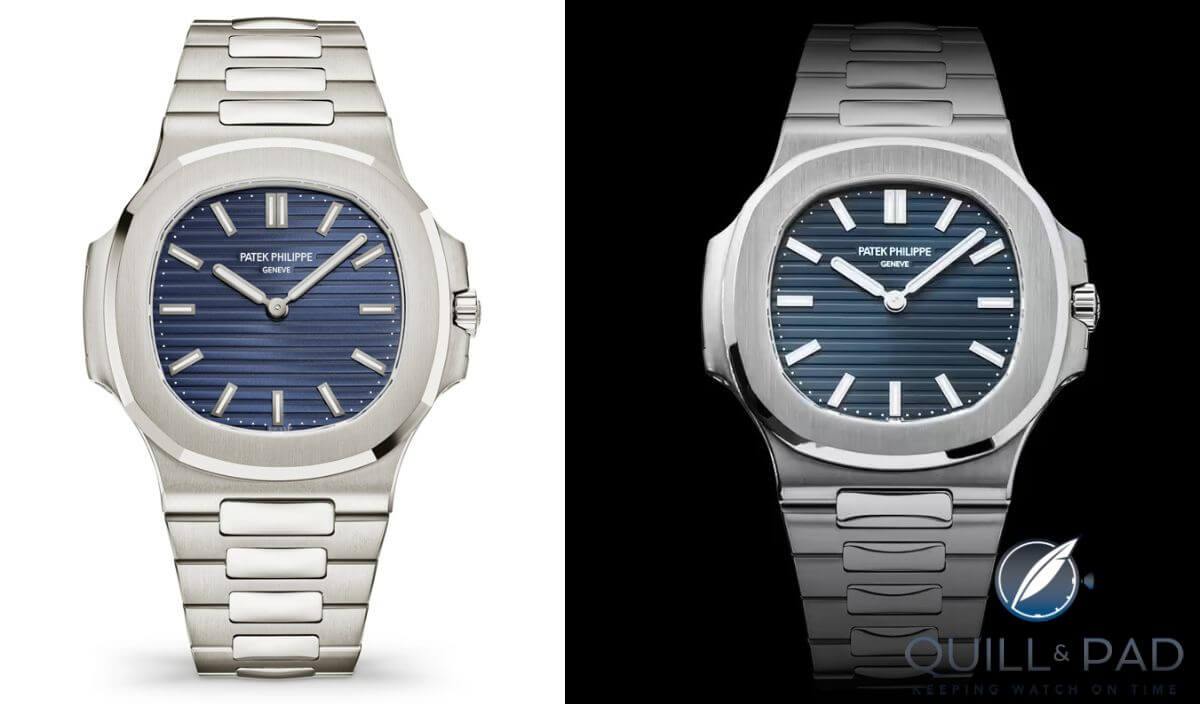
Equally significant was the 50th anniversary of Patek Philippe’s iconic Nautilus. Introduced in 1976, the Nautilus, designed by the legendary Gérald Genta, redefined the luxury sports watch. Patek Philippe honored this half-century milestone by recreating the original design in three limited-edition timepieces. These anniversary models are powered by the exceptionally thin Caliber 240, an automatic movement featuring a mini-rotor developed in the 1970s, the same decade that birthed the original Nautilus. The mini-rotor’s innovative placement, level with the movement’s bridges, allows for remarkable slimness. The original Caliber 240 measured a mere 2.40 mm in thickness, a testament to its groundbreaking design. This engineering prowess translates into the anniversary Nautilus watches, such as the Nautilus Ref. 5810/1G-001, which boasts an astonishingly slim profile of just 6.9 mm, even thinner than the original Nautilus Ref. 3700 "Jumbo" at 7.6 mm. This meticulous attention to detail and historical fidelity resonated strongly with collectors.
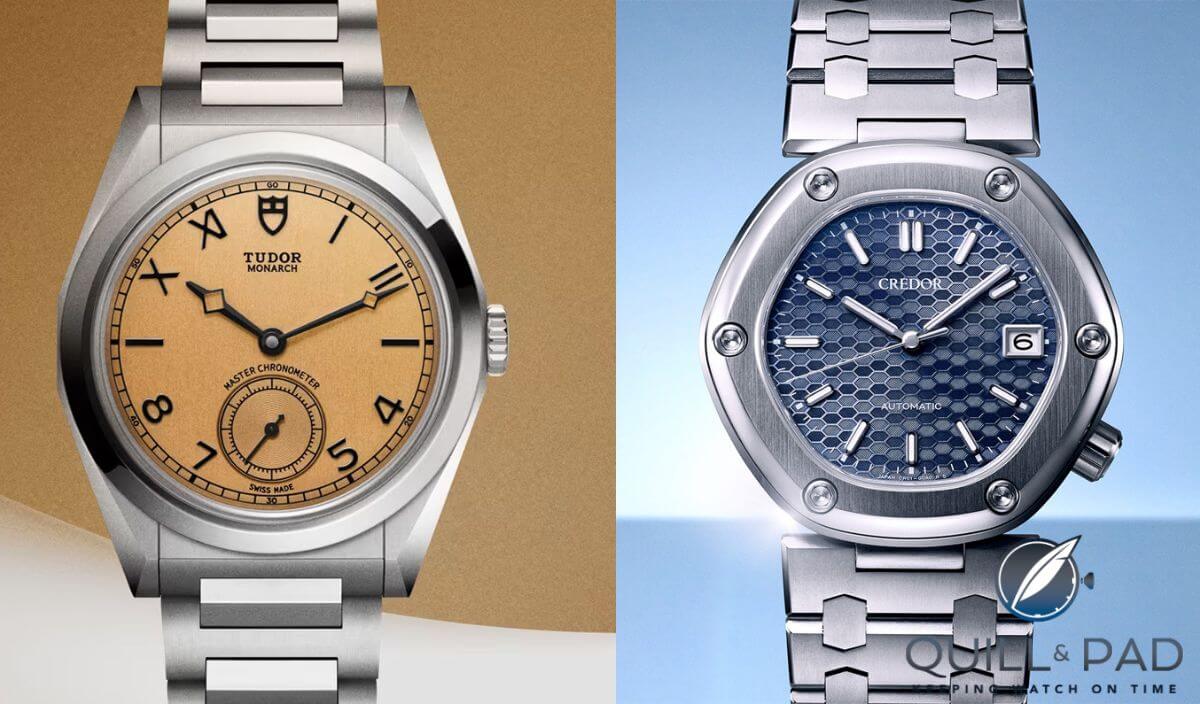
The influence of vintage design extended to other prominent brands. Tudor, a subsidiary of Rolex, celebrated its centenary with the release of the Monarch watch. This timepiece features a captivating "California" dial, an unusual and historically significant design that combines Roman numerals, Arabic numerals, and baton hour markers. This dial type was patented by Rolex in the 1940s, further underscoring the brand’s deep connection to its heritage. The Monarch’s unique aesthetic offers a compelling alternative for those seeking a vintage feel not typically found on contemporary Rolex models.
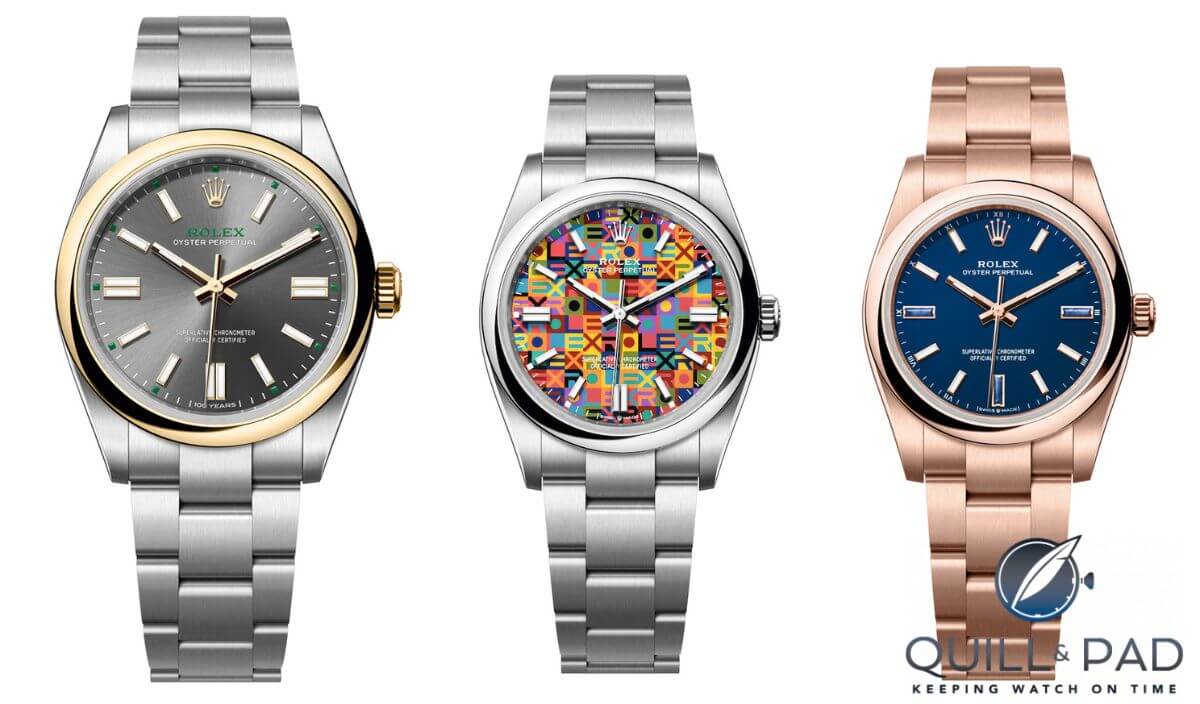
Seiko’s luxury sub-brand, Credor, also contributed to the vintage narrative with new titanium iterations of the legendary Locomotive watch. Originally designed by Gérald Genta for Seiko in 1979, the Locomotive was relaunched in 2024 and continued its revival at Watches & Wonders 2026. These new models faithfully adhere to Genta’s original vision, featuring a sunburst dial with radially engraved lines. Available in dark blue and dark green, both versions are adorned with a hexagonal pattern reminiscent of champlevé enamel, adding a layer of artisanal craftsmanship.
Chronograph Evolution: Redefining a Timeless Complication
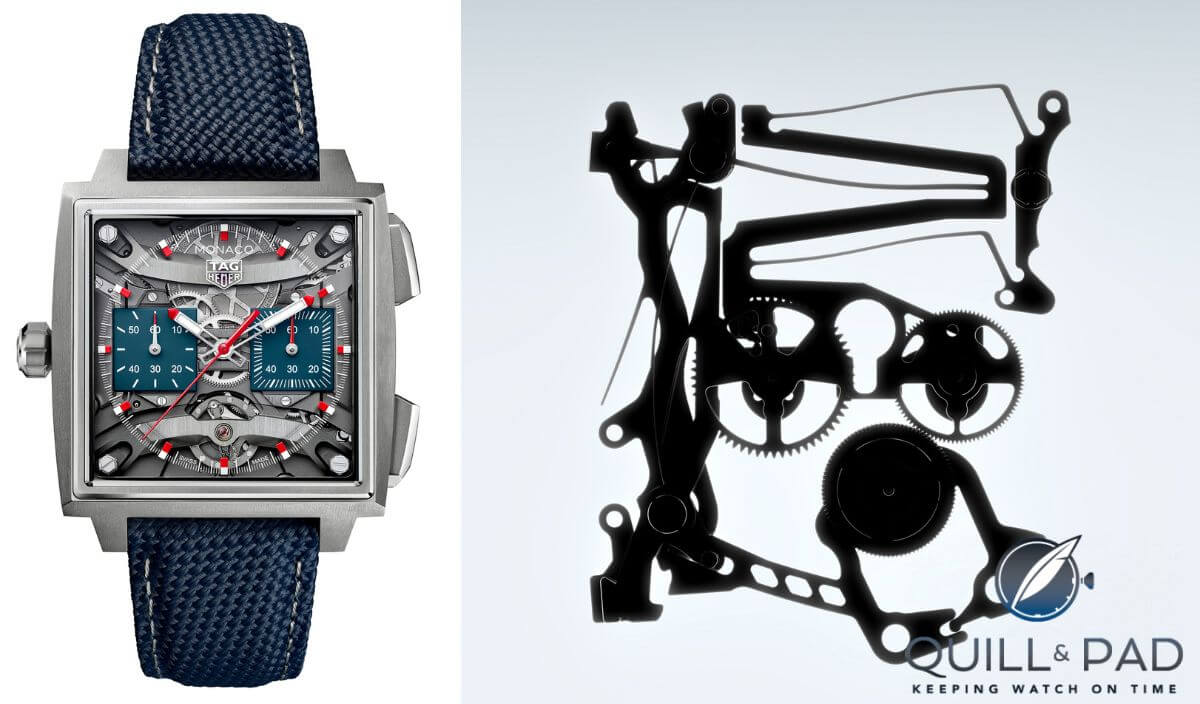
The mechanical chronograph, a staple complication in watchmaking since the 1860s, received a significant technological overhaul at Watches & Wonders 2026. TAG Heuer, in collaboration with Vaucher Manufacture Fleurier, presented the new TH80-00 caliber for its Monaco Evergraph. This groundbreaking movement reimagines the traditional chronograph’s start, stop, and reset mechanisms. By employing complex elastic components, TAG Heuer has replaced the conventional levers and flat springs. This innovation aims to minimize energy loss due to friction and significantly reduce wear, promising enhanced ease of use, reliability, and longevity. Industry analysts widely regard this development as the most significant technical advancement showcased at the exhibition, signaling a new era for chronograph engineering.
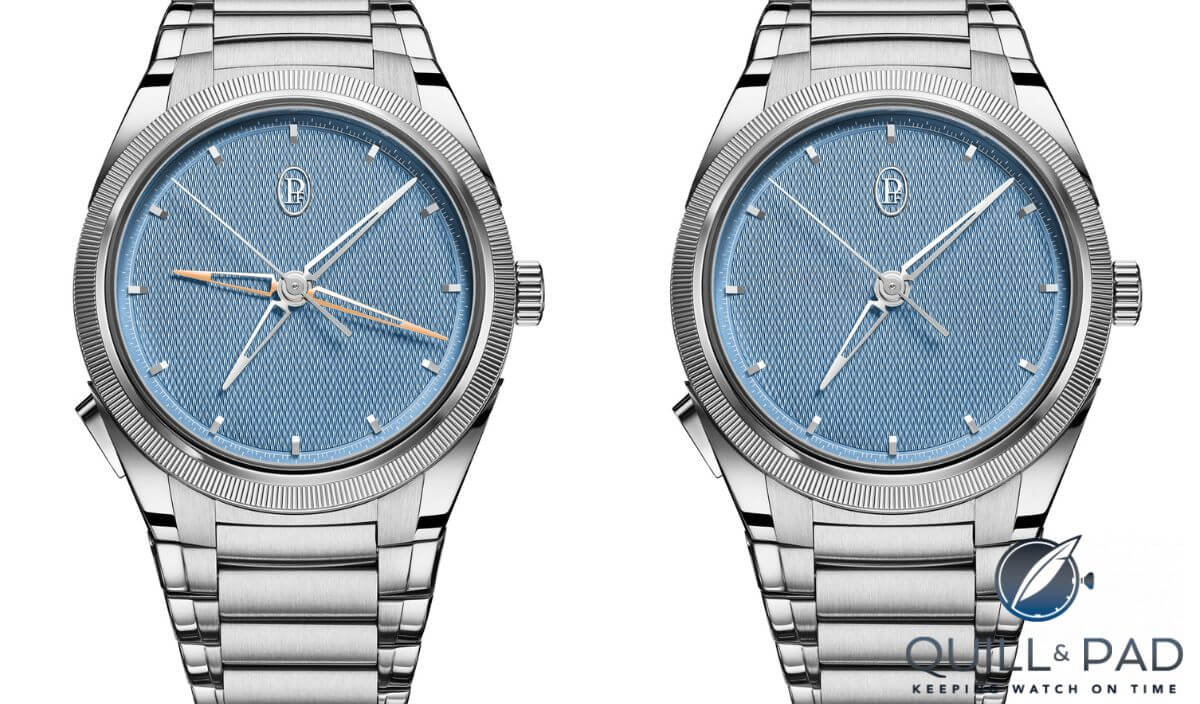
The transparency surrounding TAG Heuer’s collaboration with Vaucher engineers highlighted a broader ecosystem of innovation. Vaucher Manufacture Fleurier also contributed to another noteworthy chronograph presented by Parmigiani Fleurier, a brand that is part of the same watchmaking group. The Chronographe Mystérieux by Parmigiani Fleurier offers a radical reinterpretation of the traditional mechanical chronograph, presenting an elegantly minimalist facade. In its standard configuration, the watch appears as a simple three-hand timekeeper. However, upon activation of the chronograph function, the hour and minute hands ingeniously split, with the secondary hands, alongside the central seconds hand, seamlessly transforming into chronograph counters. This clever integration offers a novel solution to the display of chronograph functions while maintaining a remarkably clean aesthetic.
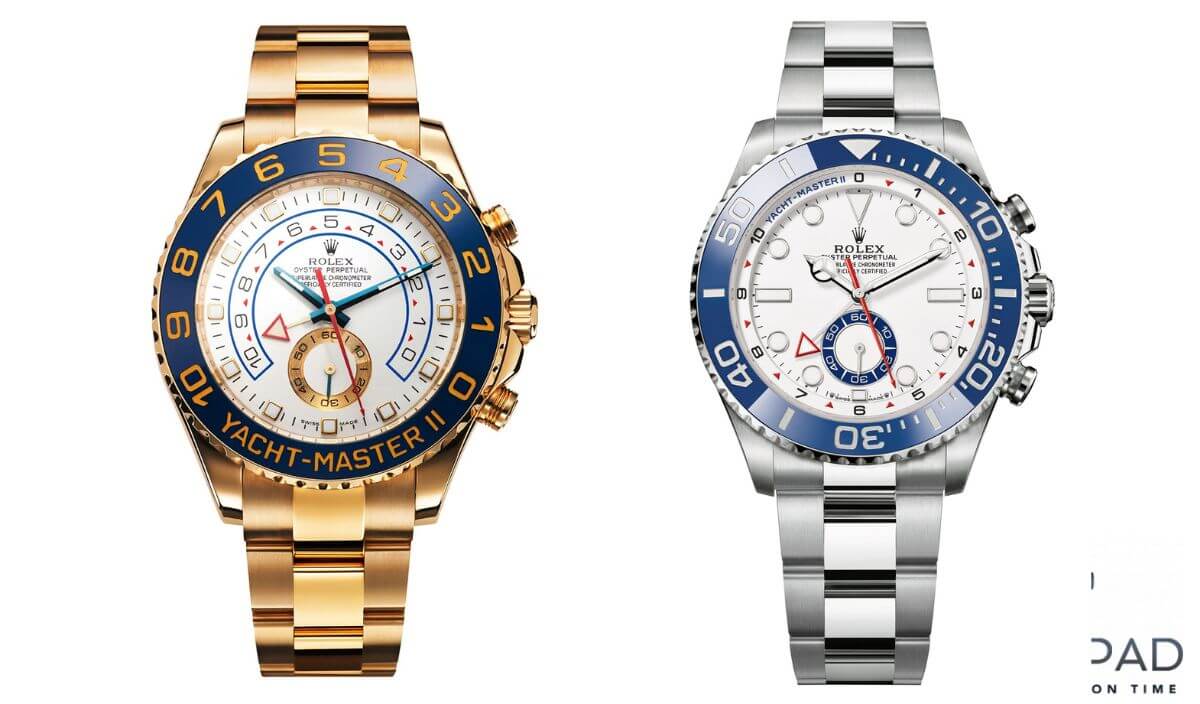
A surprising announcement from Rolex was the introduction of a new iteration of its Yacht-Master II regatta chronograph. The original 2007 model, known for its complex mechanical programming, underwent a substantial redesign. Externally, the most noticeable change is the return to a classic diving bezel design, albeit bidirectional, now featuring a 60-minute scale. Internally, the movement has undergone a significant transformation, designated as caliber 4162. The regatta timer function has been extensively re-engineered; the programming of the minute counter is now controlled by the lower chronograph pusher, a departure from the bezel-operated system of the 2007 model. Intriguingly, both the chronograph seconds hand and the minute counter hand now rotate counterclockwise. This alteration allowed Rolex to eliminate the unconventional scales with inverted numeral sequences that characterized the first-generation Yacht-Master II, simplifying the user experience and enhancing its visual clarity.
The Art of Openwork: Revealing Mechanical Intricacy
Another prominent trend observed at Watches & Wonders 2026 was the increasing prevalence of openworked dials. This design approach serves a dual purpose: it allows brands to showcase the intricate beauty of their movements and the meticulous craftsmanship of their watchmakers, while also highlighting the complex architectural structure of the watch itself.
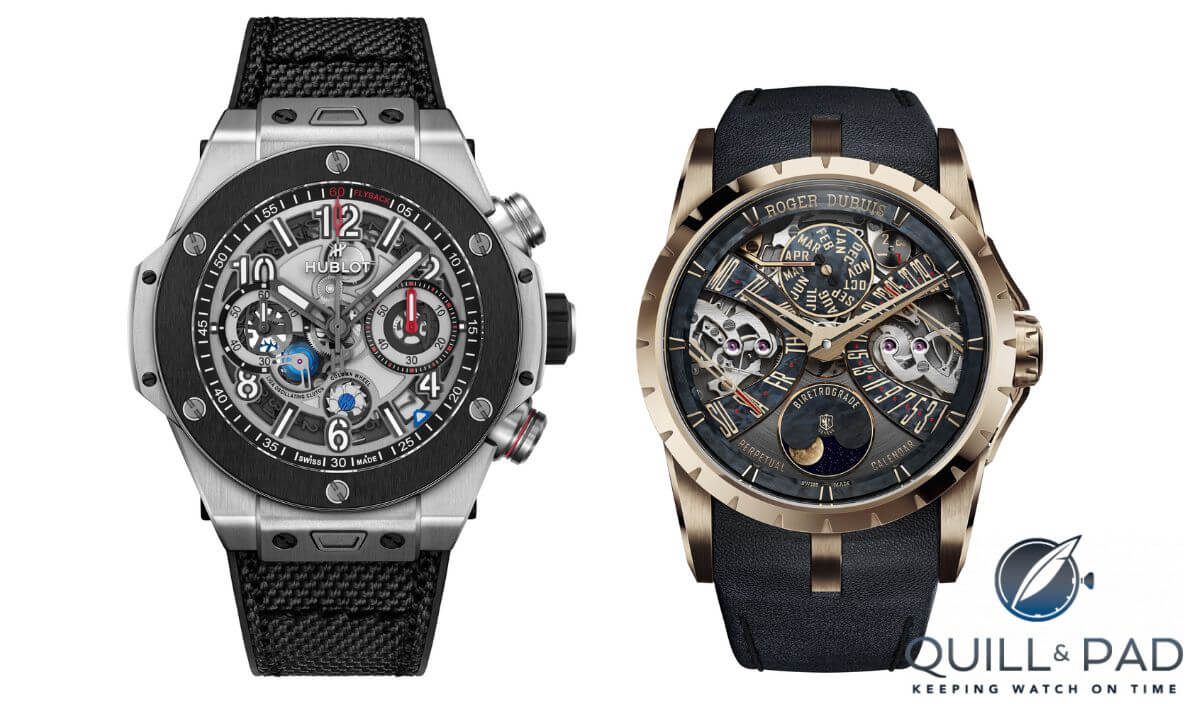
Hublot has masterfully employed this technique in its new Big Bang Reloaded automatic chronograph collection. These timepieces offer an unobstructed view of the Hub 1280 Unico caliber from the dial side, revealing key chronograph components such as the column wheel that governs the chronograph functions and the delicate intermediate wheel that powers the central seconds counter. The Big Bang Reloaded collection is available in a variety of materials, including titanium, high-tech ceramic in black, dark blue, or dark green, and Hublot’s signature scratch-resistant 18-karat Magic Gold, catering to a wide spectrum of aesthetic preferences.
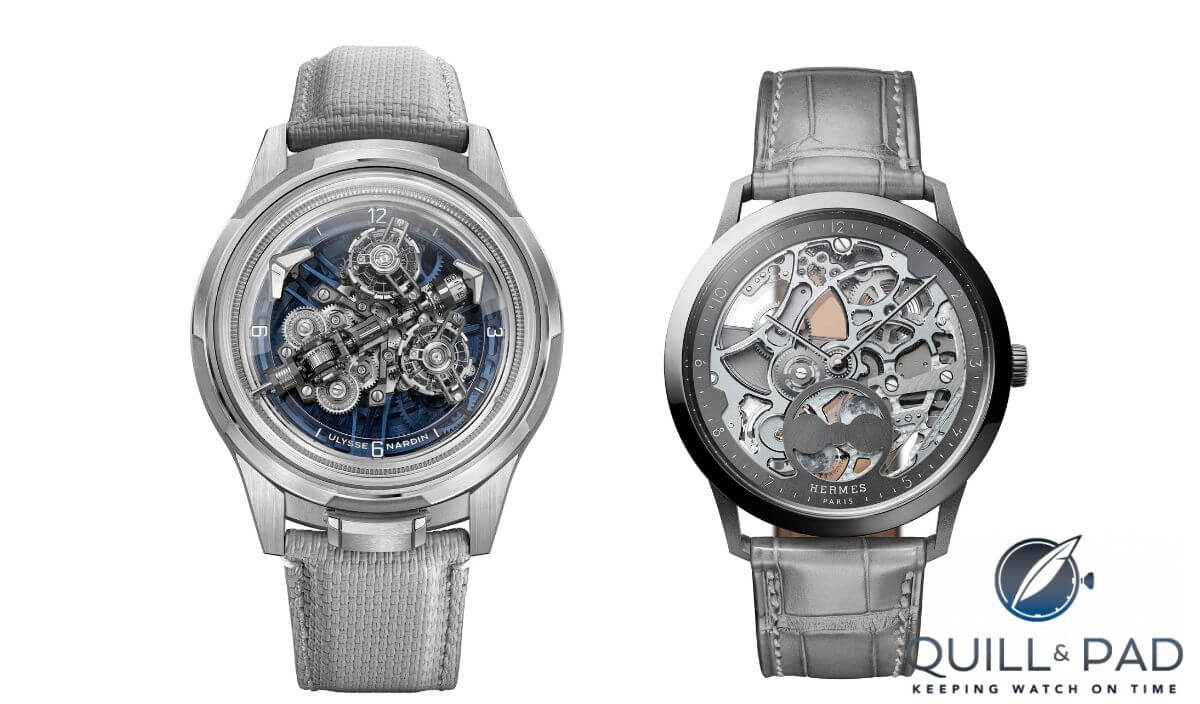
Roger Dubuis also embraced the openworked dial design with its new Excalibur Biretrograde Perpetual Calendar. This model represents a reinterpretation of a design first introduced in the brand’s early years by Carlos Dias, its former CEO and design director. The appeal of openworked dials extends to other brands as well, including Hermès, with its Slim d’Hermès Squelette Lune watch, and Ulysse Nardin. The Ulysse Nardin Super Freak, launched to commemorate the 20th anniversary of the Freak collection, is now arguably the most complicated watch displaying only hours and minutes. This technical marvel is a testament to the innovative spirit of Ludwig Oechslin, who was instrumental in many of the brand’s groundbreaking developments. Zenith, too, introduced an openworked dial design to its Chronomaster automatic chronograph collection, based on the renowned El Primero caliber. The Chronomaster Sport Skeleton features a transparent sapphire crystal dial with a gradient tint, offering a clear view of the high-frequency chronograph movement. A distinctive feature of this movement is its central seconds hand, which completes a rotation in just 10 seconds, a departure from the typical one-minute cycle found in most watches, allowing for precise measurement of time intervals in tenths of a second.
Titanium’s Ascent: A Modern Alternative to Steel
While stainless steel remains the dominant material for daily wear and sports watches, 2026 witnessed a significant shift towards titanium. This lightweight, durable, comfortable, and high-tech metal is increasingly being adopted for iconic models across the industry. Its appeal is particularly pronounced in watches with integrated bracelet designs, where the material’s inherent properties allow for a visually seamless extension of the case.
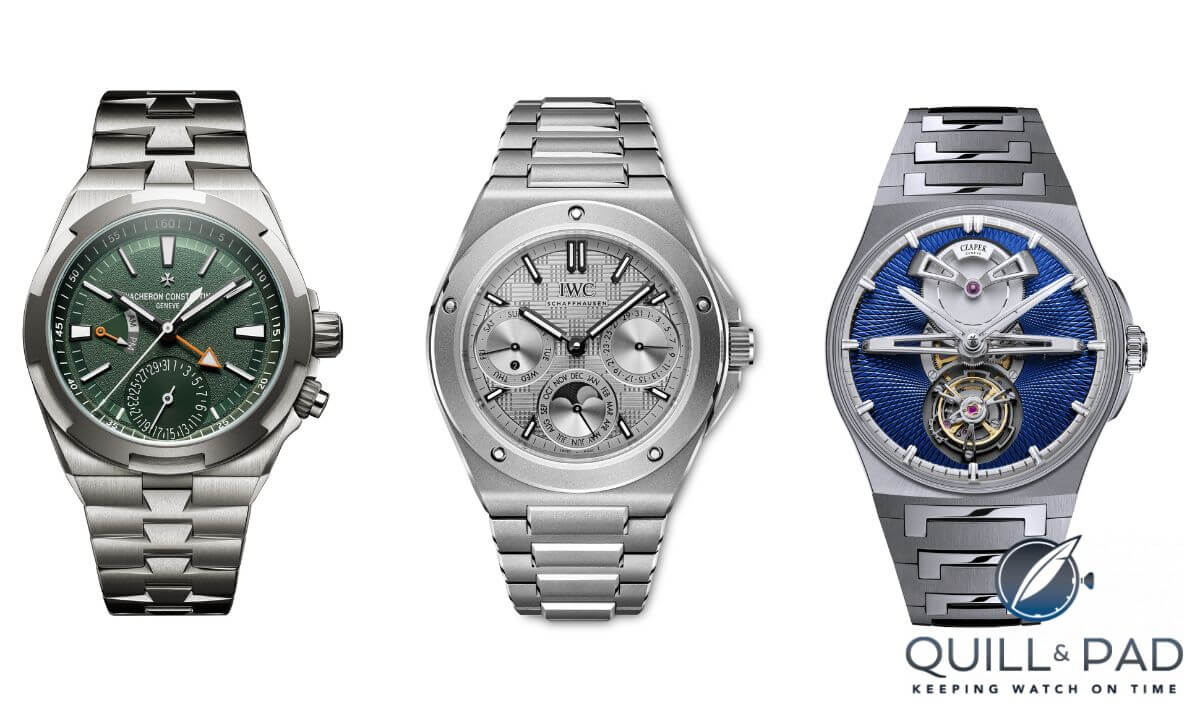
Vacheron Constantin introduced the Overseas Dual Time Cardinal Points in titanium, featuring a sophisticated time zone display. IWC Schaffhausen presented the Ingenieur Perpetual Calendar 41 in titanium, weighing approximately 120 grams, making it the brand’s lightest perpetual calendar on a bracelet to date. Czapek Genève expanded its Antarctique collection with three new titanium models, including the automatic Antarctique Tourbillon Titanium Cosmic Blue. Bulgari also made notable entries into the titanium market with new iterations of its ultra-thin Octo Finissimo line, including the Octo Finissimo Minute Repeater 37mm and the Octo Finissimo Automatic 37mm, both crafted from this advanced metal.
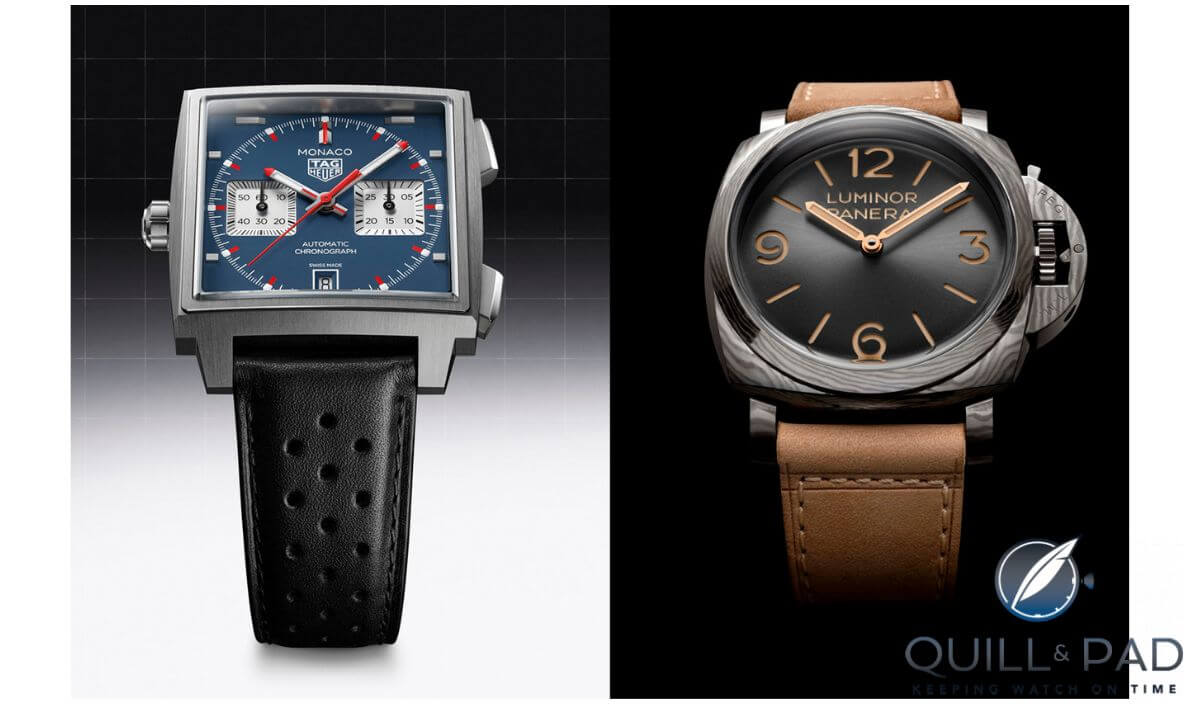
TAG Heuer, a brand synonymous with sporty timepieces, opted for titanium for its redesigned Monaco Chronograph TH20-11 automatic vintage-style sports chronograph. While preserving the iconic look and feel of the original 1969 design, the new model benefits from the lightweight and robust properties of titanium.
One of the most striking innovations in titanium came from Panerai. The brand utilized an unusual variant of the metal in its Luminor Forged Titanium PAM01629 watch. Created by forging two grades of titanium using Damascus steel techniques, this "Damascus titanium" boasts a distinctive, irregular, wave-like banded structure, making each watch entirely unique.
Subtle Hues: The Sophistication of Metallic-Colored Dials
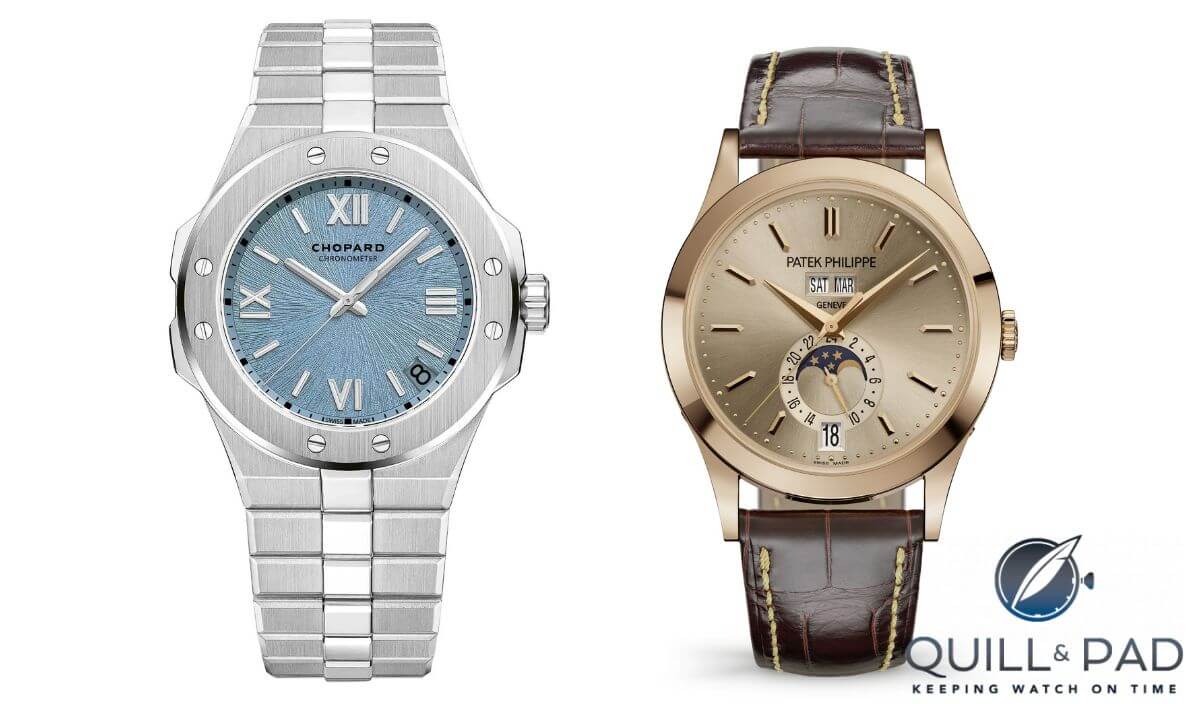
Metallic-colored dials, often enhanced with a sunburst finish, continue to be a popular design element. This year, the trend leaned towards watches featuring dials in subtle and sophisticated shades. Chopard presented its Alpine Eagle 41 and Alpine Eagle 36 models with distinctive silvery-blue or light olive dials, offering a refined aesthetic. Patek Philippe showcased a light gray dial on its new Ref. 5236P In-line Perpetual Calendar, while the Ref. 5396R Annual Calendar Moonphase featured a sand-beige metallic-colored dial, exuding understated elegance. Jaeger-LeCoultre’s new Master Control Chronometre collection offered a diverse palette of dial colors, ranging from cool gray-blue to deep blue and chocolate brown, demonstrating the versatility of metallic finishes.
Parmigiani Fleurier developed a unique dial finishing technique for its new Toric watches, employing hand-chased reliefs that create a shimmering effect. This artisanal approach is particularly captivating on models with lighter-colored dials, such as the Toric Petite Seconde, which features a light blue dial poetically named "Morning Blue." This technique imbues the watches with a unique texture and depth, setting them apart from more conventional metallic finishes.
Hardstone Dial Revival: A Collector’s Delight
Decorative hardstone dials, a trend that has historically appealed to collectors due to their rarity and cost, continued to make an appearance at Watches & Wonders 2026. These timepieces, often commanding high price points, are primarily aimed at discerning collectors seeking unique and artistic expressions of watchmaking. Zenith’s G.F.J. models, based on the precision manual-winding caliber 135 developed in 1949, featured these rare dials. The yellow gold G.F.J. model was presented with a green jasper dial, while the tantalum version showcased a deep black onyx dial, both offering a distinct tactile and visual experience.
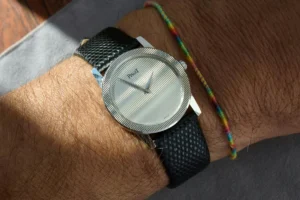
Piaget, a brand with a rich legacy of producing watches with decorative stone dials since the 1960s, introduced the sporty Polo 79 model. This watch features a dial finished with parallel stripes of sodalite, a striking dark blue mineral characterized by contrasting light veins. The integration of natural stone into watch design highlights a commitment to artisanal craftsmanship and the appreciation of natural beauty.
A Shift Towards Smaller Sizes: The Return of Compact Elegance
A notable and relatively recent trend is the increasing prevalence of smaller watch cases. Many brands, which had shifted towards larger 40-43 mm and even bigger sizes for men’s collections in the early 2000s, have begun to recalibrate their strategies. In recent years, there has been a growing offering of men’s models with cases ranging from 36 to 39 mm.
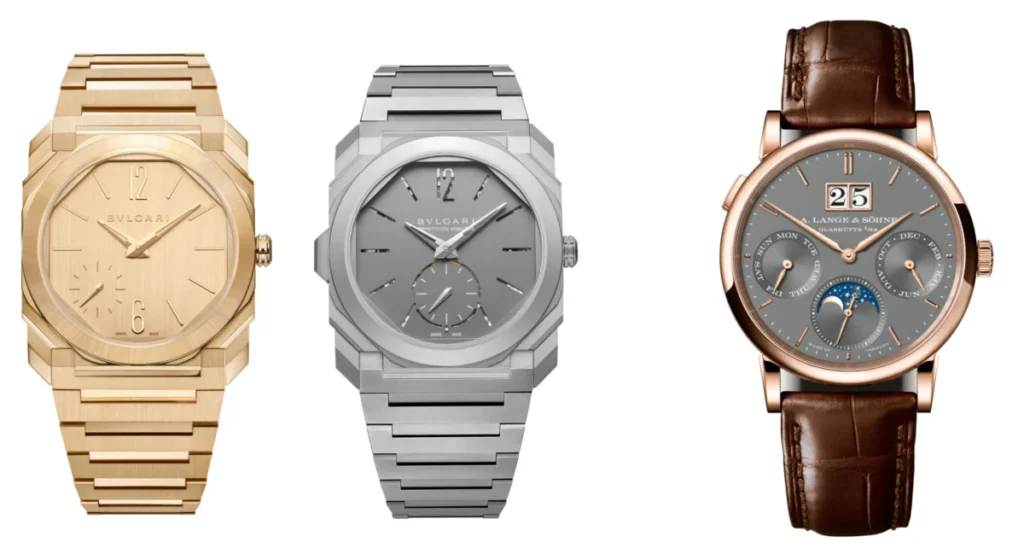
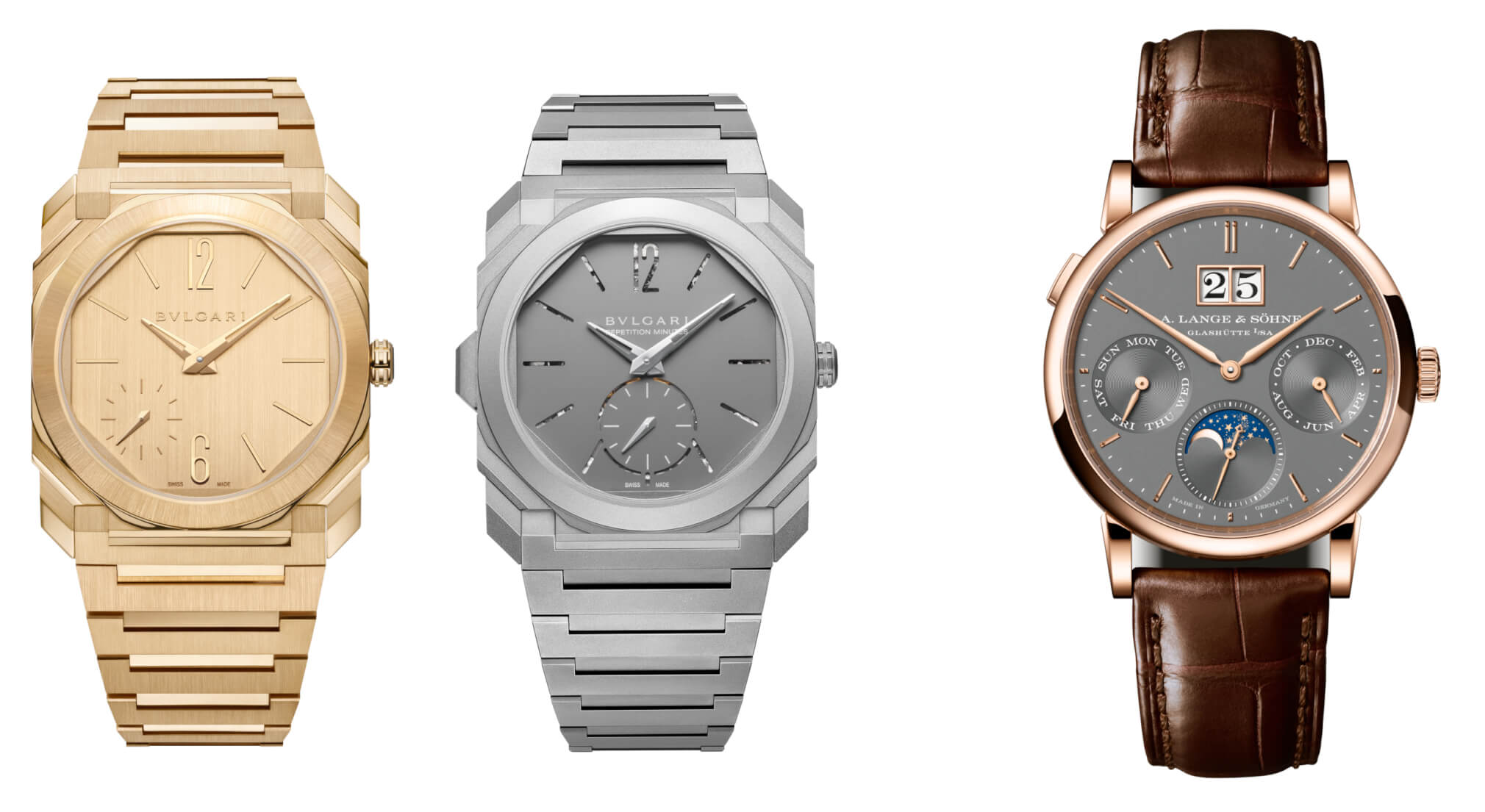
In 2026, Bulgari made a significant statement in this direction with its new, slim, and elegant Octo Finissimo Automatic 37 mm models. These watches are not simply scaled-down versions of previous 40 mm iterations. A new movement, featuring an automatic winding system with a mini-rotor, was specifically developed for the Octo Finissimo Automatic 37 mm. This modernized caliber boasts an increased power reserve of 72 hours, up from 60 hours, despite the reduced case size. Bulgari offers these 37 mm models on bracelets in both titanium and solid gold, emphasizing the versatility of the design.
The trend towards smaller case sizes has also influenced complicated watches. Bulgari introduced a 37mm version of the Octo Finissimo Minute Repeater. Alongside the original 40mm model, this new iteration is currently the thinnest minute repeater watch available, measuring a mere 6.85mm thick and featuring a chime that marks the hours, quarters, and minutes. Following this trajectory, A. Lange & Söhne introduced a 36mm Saxonia Annual Calendar. This model is equipped with the newly developed caliber L207.1, which features a full-size central rotor. This contrasts with the previous self-winding Saxonia Annual Calendar, which utilized the L085.1 caliber with a three-quarter-sized rotor. This new watch represents the third model in Lange’s collection to feature this highly practical complication, which requires manual adjustment only once a year, at the transition from February to March.
Refinement in Detail: Focus on Bracelets and Clasps
The often-overlooked components of a watch – its bracelet and clasp – are receiving increased attention and innovation. 2026 saw several notable developments in this area. Zenith introduced its new folding clasp, the Zenclasp. This design features a spring-loaded bar on the exterior; when lifted, it unlocks a sliding mechanism, allowing for bracelet adjustments of up to 10 mm in 2.5 mm increments. This convenient feature enables micro-adjustments without removing the watch from the wrist. Currently, the Zenclasp is exclusively available on the new steel Chronomaster Sport Skeleton models, highlighting Zenith’s commitment to enhancing user comfort and wearability.
Cartier revitalized its Santos Dumont line, one of its most iconic and oldest wristwatch designs, originally introduced in 1904. The new slim models in this collection, powered by a customized Piaget 430 caliber, feature a "tropical-style" bracelet. This bracelet design is not only visually appealing but also offers excellent comfort in warmer climates. It comprises 15 rows of small links, creating a flexible yet durable metal chainmail effect. While currently offered on gold and platinum watches, there is considerable anticipation for its potential introduction on stainless steel Santos models.

An integrated bracelet design has finally made its debut in the Jaeger-LeCoultre collection. For its new Master Control Chronometre series, the brand developed a special bracelet featuring three rows of links with a contrasting finish. This design incorporates straight brushed flat surfaces alongside polished accent pieces shaped like elongated triangular prisms. This launch holds particular significance, as Jaeger-LeCoultre movements were instrumental in the creation of two signature luxury sports watch designs fifty years ago, in the 1970s: the Audemars Piguet Royal Oak and the Patek Philippe Nautilus. The introduction of an integrated bracelet by Jaeger-LeCoultre marks a new chapter in its design evolution.
The insights gleaned from Watches & Wonders 2026 paint a clear picture of a dynamic and evolving watch industry. The confluence of historical reverence, technological innovation, and a keen eye for refined detail suggests a future where classic aesthetics meet cutting-edge engineering, offering discerning consumers a wealth of exquisite timepieces.